NEET Protest Ends After 36 Days in Delhi
Calm returns to Jantar Mantar, protest site dismantled
'%3E%3Crect%20width%3D'96'%20height%3D'96'%20fill%3D'%23B3261E'%2F%3E%3Ccircle%20cx%3D'30'%20cy%3D'24'%20r%3D'44'%20fill%3D'%23fff'%20opacity%3D'.12'%2F%3E%3Ccircle%20cx%3D'60'%20cy%3D'74'%20r%3D'40'%20fill%3D'%23000'%20opacity%3D'.10'%2F%3E%3C%2Fg%3E%3Cg%20fill%3D'%23fff'%3E%3Crect%20x%3D'29'%20y%3D'49'%20width%3D'8'%20height%3D'19'%20rx%3D'1'%2F%3E%3Crect%20x%3D'39'%20y%3D'40'%20width%3D'9'%20height%3D'28'%20rx%3D'1'%2F%3E%3Crect%20x%3D'50'%20y%3D'45'%20width%3D'8'%20height%3D'23'%20rx%3D'1'%2F%3E%3Crect%20x%3D'60'%20y%3D'53'%20width%3D'7'%20height%3D'15'%20rx%3D'1'%2F%3E%3Crect%20x%3D'41'%20y%3D'34'%20width%3D'5'%20height%3D'6'%2F%3E%3C%2Fg%3E%3C%2Fsvg%3E)
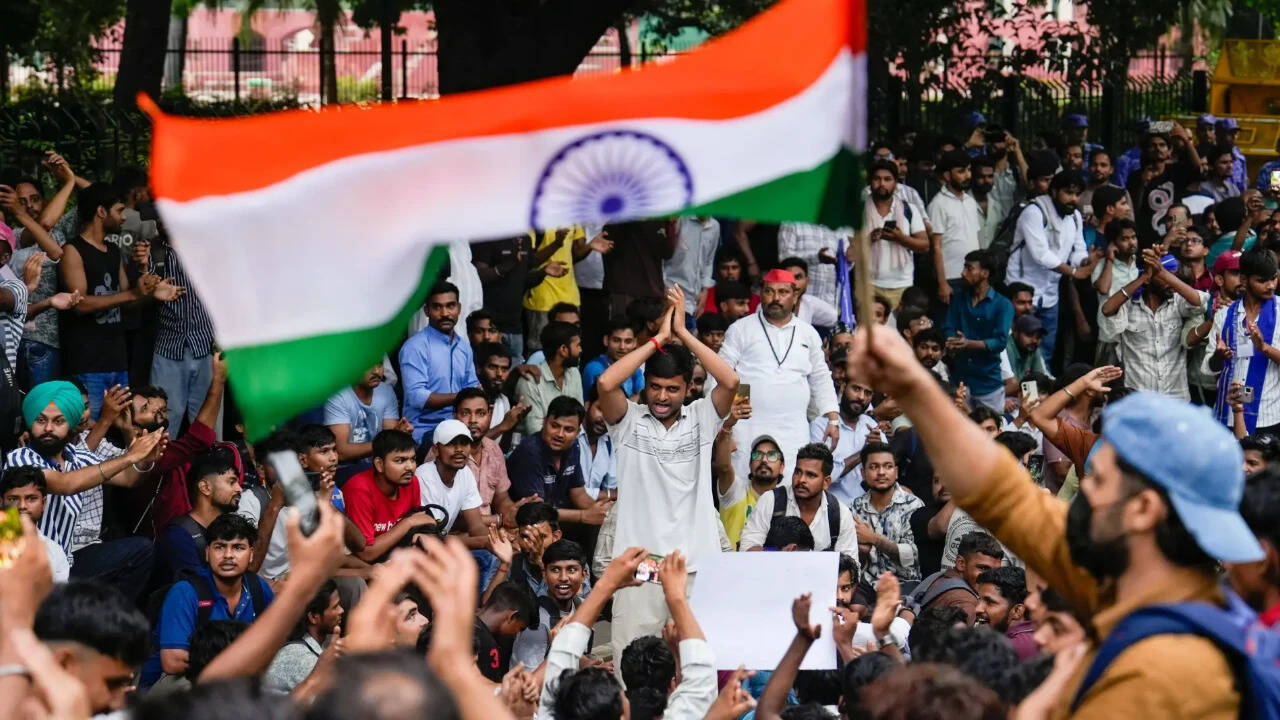
The 36-day protest over alleged irregularities in NEET examinations and paper leaks has come to an end at Jantar Mantar in Delhi. The protest site, which had been the hub of continuous demonstrations and speeches, was deserted on Sunday as tents were dismantled and volunteers dispersed.
The Cockroach Janta Party (CJP), which led the agitation, announced the withdrawal of the protest on Saturday after the government accepted its remaining demands. These demands included compensation for families of students who allegedly died by suicide following the NEET paper leak and the withdrawal of FIRs against protesters.
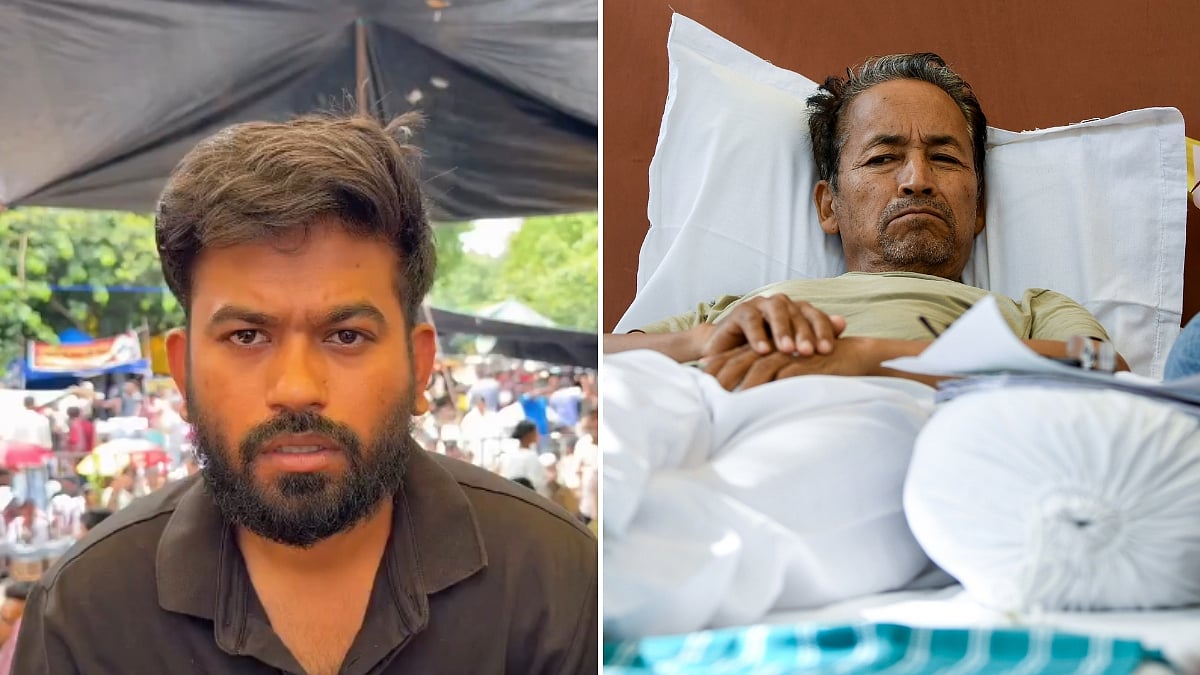
CJP founder Abhijeet Dipke, who is recovering from typhoid at home, thanked supporters and critics alike for their role in the agitation. In a video message, Dipke reflected on the end of the protest, saying it felt good to finally be able to rest without worrying about the next day's events.
Dipke described the past 36 days as 'really, really difficult' and apologized to supporters who had gathered at Jantar Mantar on Saturday, saying he was unable to meet them due to his illness. He also acknowledged the critics of the movement, saying their criticism had helped the CJP improve.
Environmental activist Sonam Wangchuk, who had joined the protest with an indefinite hunger strike, remains hospitalized after his health deteriorated during the agitation. The protest, which began on June 20, gained momentum after police action against demonstrators on July 20 and received support from several student organizations and activists.
The New Delhi Municipal Council (NDMC) has launched a clean-up drive at and around Jantar Mantar, removing nearly 60 metric tonnes of waste from the protest site. The conclusion of the protest marks a significant development in the ongoing debate over the NEET examination system.
The government's decision to accept the CJP's demands is seen as a major victory for the protesters. The protest had gained widespread attention and support from across the country, with many calling for reforms in the examination system.
The CJP has stated that the campaign is 'just the beginning' and that the organization has a long way to go. With the protest coming to an end, attention is now focused on the government's next steps in addressing the concerns raised by the protesters.
In a related development, Prime Minister Modi has announced the formation of a high-powered task force led by Nandan Nilekani to reform the examination system. The task force is expected to submit its recommendations in the coming months.
The conclusion of the protest at Jantar Mantar marks a significant milestone in the ongoing debate over the NEET examination system. As the government moves forward with reforms, it remains to be seen how the changes will impact the education system in India.
The protest's end also raises questions about the role of activism and protest in bringing about change in India. The CJP's campaign has shown that sustained pressure and activism can lead to significant outcomes, and it will be interesting to see how this momentum is carried forward in the future.
In the meantime, the focus is on the recovery of Sonam Wangchuk and the next steps for the CJP. As the organization looks to the future, it is clear that the campaign is far from over, and that there is still much work to be done to bring about meaningful change in the education system.
Frequently asked questions
What were the main demands of the NEET protest?
The main demands included compensation for families of students who allegedly died by suicide following the NEET paper leak and the withdrawal of FIRs against protesters.
Who led the NEET protest?
The protest was led by the Cockroach Janta Party (CJP) founded by Abhijeet Dipke.