KDMC Finds 661 Unsafe Buildings, 143 Extremely Dangerous Still Occupied
KDMC identifies unsafe buildings, 143 extremely dangerous ones still occupied. Residents resist relocation.
'%3E%3Crect%20width%3D'96'%20height%3D'96'%20fill%3D'%23B3261E'%2F%3E%3Ccircle%20cx%3D'30'%20cy%3D'24'%20r%3D'44'%20fill%3D'%23fff'%20opacity%3D'.12'%2F%3E%3Ccircle%20cx%3D'60'%20cy%3D'74'%20r%3D'40'%20fill%3D'%23000'%20opacity%3D'.10'%2F%3E%3C%2Fg%3E%3Cg%20fill%3D'%23fff'%3E%3Crect%20x%3D'29'%20y%3D'49'%20width%3D'8'%20height%3D'19'%20rx%3D'1'%2F%3E%3Crect%20x%3D'39'%20y%3D'40'%20width%3D'9'%20height%3D'28'%20rx%3D'1'%2F%3E%3Crect%20x%3D'50'%20y%3D'45'%20width%3D'8'%20height%3D'23'%20rx%3D'1'%2F%3E%3Crect%20x%3D'60'%20y%3D'53'%20width%3D'7'%20height%3D'15'%20rx%3D'1'%2F%3E%3Crect%20x%3D'41'%20y%3D'34'%20width%3D'5'%20height%3D'6'%2F%3E%3C%2Fg%3E%3C%2Fsvg%3E)
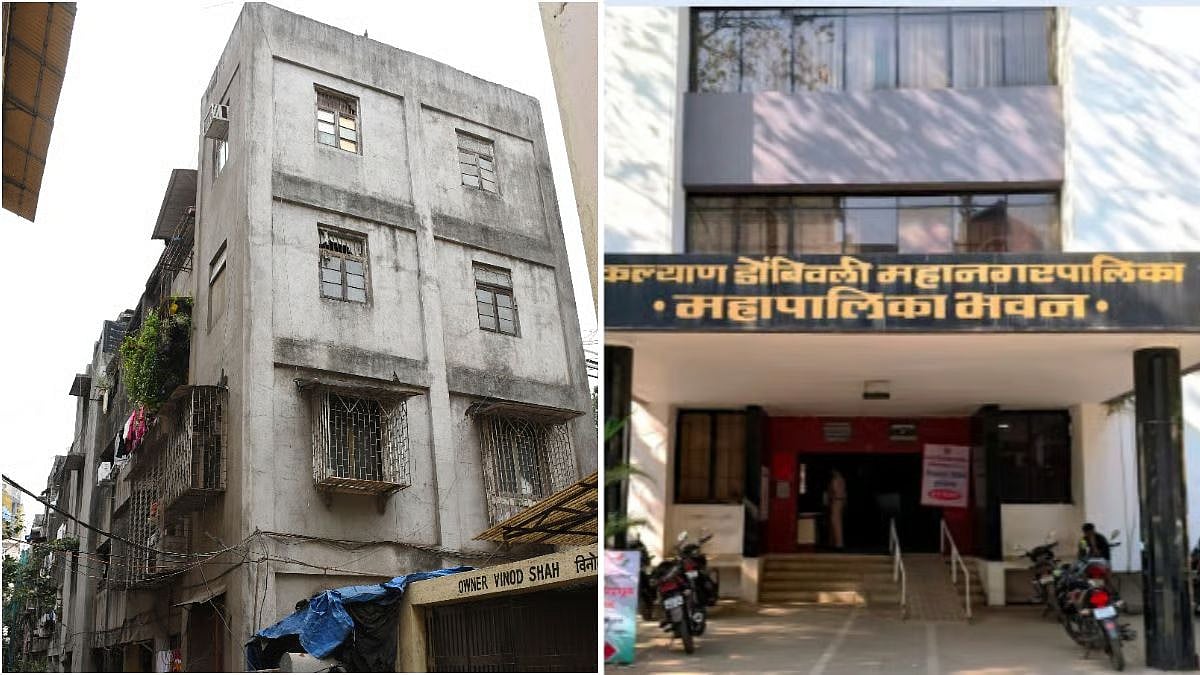
The Kalyan-Dombivli Municipal Corporation (KDMC) has identified 661 buildings as unsafe in the wake of the recent Kohinoor building collapse in Bhiwandi. This includes 204 structures categorised as 'extremely dangerous', with 143 of them still occupied despite the serious risk they pose to residents.
According to municipal officials, these 143 extremely dangerous buildings are beyond repair and require demolition. The KDMC has directed occupants of these buildings to vacate immediately, warning of police-assisted evacuation if necessary.
The civic body has already demolished 15 dangerous buildings, but evacuating the remaining occupied structures remains a challenge as many residents continue resisting relocation. The remaining 61 extremely dangerous buildings have already been vacated, and demolition of these structures will be undertaken in phases.
Apart from the extremely dangerous buildings, the civic body identified 457 as unsafe but repairable. Of these, 60 must be vacated before repairs, while 361 can be repaired with residents remaining, subject to safety precautions. Another 36 require minor repairs.
The KDMC has categorised all 661 buildings based on structural audit reports submitted by property owners after notices were served. However, the civic administration is still awaiting structural audit reports for 51 buildings despite repeated notices. If owners fail to submit these reports, the KDMC will appoint empanelled auditors and recover the expenditure from property owners. Defaulters may face a ₹25,000 penalty.
The KDMC has directed all ward offices to expedite action against dangerous buildings. The civic administration is taking these measures to prevent any further tragedies like the Bhiwandi building collapse.
The issue of unsafe buildings is a major concern across the Mumbai Metropolitan Region, with many residents living in structures that are beyond repair. The KDMC's efforts to identify and demolish these buildings are a step in the right direction, but the challenge of relocating residents remains.
The KDMC's actions are also a reminder of the importance of regular maintenance and repairs of buildings to prevent them from becoming unsafe. The civic body's efforts to ensure the safety of residents are crucial, and it is hoped that these measures will prevent any further tragedies.
In the context of the Mumbai Metropolitan Region, the issue of unsafe buildings is a pressing concern. With many residents living in ageing structures, the risk of collapses and other accidents is high. The KDMC's efforts to address this issue are significant, and it is hoped that other civic bodies in the region will follow suit.
The identification of 661 unsafe buildings by the KDMC is a significant step towards ensuring the safety of residents in the region. While there is still much work to be done, the civic body's efforts are a positive development in the aftermath of the Bhiwandi tragedy.
In conclusion, the KDMC's identification of 661 unsafe buildings, including 143 extremely dangerous ones still occupied, highlights the need for urgent action to prevent further tragedies. The civic body's efforts to demolish and repair these buildings are crucial, and it is hoped that these measures will ensure the safety of residents in the region.
Frequently asked questions
How many unsafe buildings did the KDMC identify?
The KDMC identified 661 unsafe buildings, including 204 extremely dangerous ones.
What action is being taken against the occupied extremely dangerous buildings?
The KDMC has directed occupants to vacate immediately, with police-assisted evacuation as a last resort.