Rupee Falls 0.4% to 95.96 Against Dollar
Rupee drops sharply, oil prices rise, US interest rate expectations grow
'%3E%3Crect%20width%3D'96'%20height%3D'96'%20fill%3D'%230B6E4F'%2F%3E%3Ccircle%20cx%3D'30'%20cy%3D'24'%20r%3D'44'%20fill%3D'%23fff'%20opacity%3D'.12'%2F%3E%3Ccircle%20cx%3D'60'%20cy%3D'74'%20r%3D'40'%20fill%3D'%23000'%20opacity%3D'.10'%2F%3E%3C%2Fg%3E%3Cg%20fill%3D'none'%20stroke%3D'%23fff'%20stroke-width%3D'3.2'%20stroke-linecap%3D'round'%20stroke-linejoin%3D'round'%3E%3Cpolyline%20points%3D'31%2C59%2041%2C49%2049%2C54%2063%2C37'%2F%3E%3Cpolyline%20points%3D'55%2C37%2063%2C37%2063%2C45'%2F%3E%3C%2Fg%3E%3C%2Fsvg%3E)
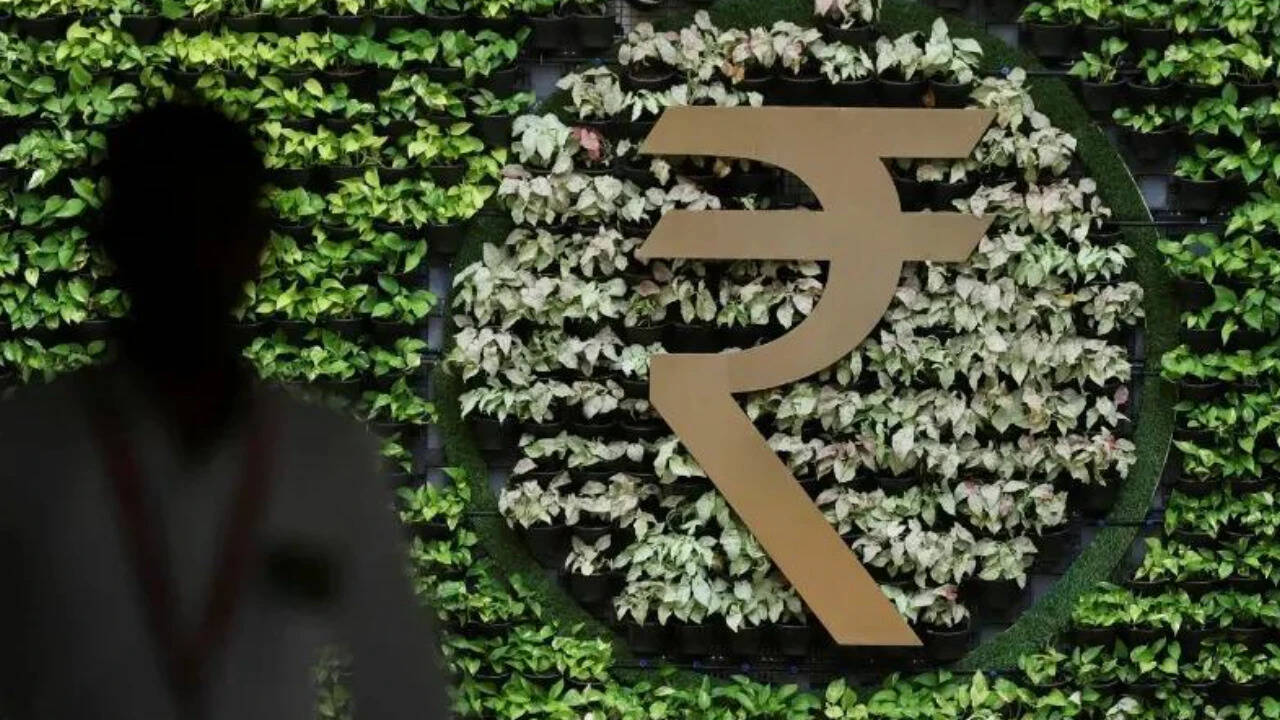
The Indian rupee experienced its sharpest single-day fall in two months, dropping 0.4% to 95.96 against the US dollar. This decline was largely attributed to rising oil prices and higher US interest rate expectations, which put pressure on the currency.
The attacks on Saudi Arabian energy infrastructure led to a significant boost in crude oil prices, further impacting the rupee. However, the Reserve Bank of India's intervention, through dollar sales, helped limit the rupee's losses to some extent.
The rise in bond yields was also a notable factor, as inflation and rate-hike bets grew. This increase in bond yields indicates a growing concern among investors about the potential for higher interest rates in the future.
The Indian economy has been facing challenges due to rising oil prices, which have a direct impact on the country's trade deficit and inflation. The rupee's decline can make imports more expensive, leading to higher prices for consumers.
The Reserve Bank of India has been actively managing the currency to prevent excessive volatility. The central bank's actions, including dollar sales, aim to stabilize the rupee and maintain economic stability.
The US interest rate expectations have also played a significant role in the rupee's decline. As the US Federal Reserve considers raising interest rates, investors become more cautious, leading to a decrease in investment in emerging markets like India.
The impact of the rupee's decline will be closely watched by policymakers, as it can have far-reaching consequences for the Indian economy. The government and the Reserve Bank of India will need to carefully manage the situation to prevent any adverse effects on the economy.
In conclusion, the rupee's sharp decline is a cause for concern, and policymakers will need to take steps to stabilize the currency and maintain economic growth. The situation will be closely monitored, and any further developments will be critical in determining the future of the Indian economy.
The decline of the rupee is not just a matter of economic concern but also has implications for the average consumer. As imports become more expensive, prices of goods and services may rise, affecting the purchasing power of individuals.
Overall, the rupee's fall is a significant development that will have far-reaching consequences for the Indian economy. It is essential for policymakers to take proactive steps to manage the situation and prevent any adverse effects on the economy.
What it means for Mumbai and India is that the decline of the rupee can lead to higher prices for goods and services, affecting the overall economy. It is crucial for the government and the Reserve Bank of India to work together to stabilize the currency and maintain economic growth.
Frequently asked questions
What is the current value of the rupee against the dollar?
The rupee is currently valued at 95.96 against the dollar.
What are the main factors contributing to the rupee's decline?
Rising oil prices and higher US interest rate expectations are the main factors contributing to the rupee's decline.