Air India Fires Pilot After Positive Psychoactive Substance Test
Air India terminates pilot, strengthens testing regime after Phuket-Delhi flight incident.
'%3E%3Crect%20width%3D'96'%20height%3D'96'%20fill%3D'%23B3261E'%2F%3E%3Ccircle%20cx%3D'30'%20cy%3D'24'%20r%3D'44'%20fill%3D'%23fff'%20opacity%3D'.12'%2F%3E%3Ccircle%20cx%3D'60'%20cy%3D'74'%20r%3D'40'%20fill%3D'%23000'%20opacity%3D'.10'%2F%3E%3C%2Fg%3E%3Cg%20fill%3D'%23fff'%3E%3Crect%20x%3D'29'%20y%3D'49'%20width%3D'8'%20height%3D'19'%20rx%3D'1'%2F%3E%3Crect%20x%3D'39'%20y%3D'40'%20width%3D'9'%20height%3D'28'%20rx%3D'1'%2F%3E%3Crect%20x%3D'50'%20y%3D'45'%20width%3D'8'%20height%3D'23'%20rx%3D'1'%2F%3E%3Crect%20x%3D'60'%20y%3D'53'%20width%3D'7'%20height%3D'15'%20rx%3D'1'%2F%3E%3Crect%20x%3D'41'%20y%3D'34'%20width%3D'5'%20height%3D'6'%2F%3E%3C%2Fg%3E%3C%2Fsvg%3E)
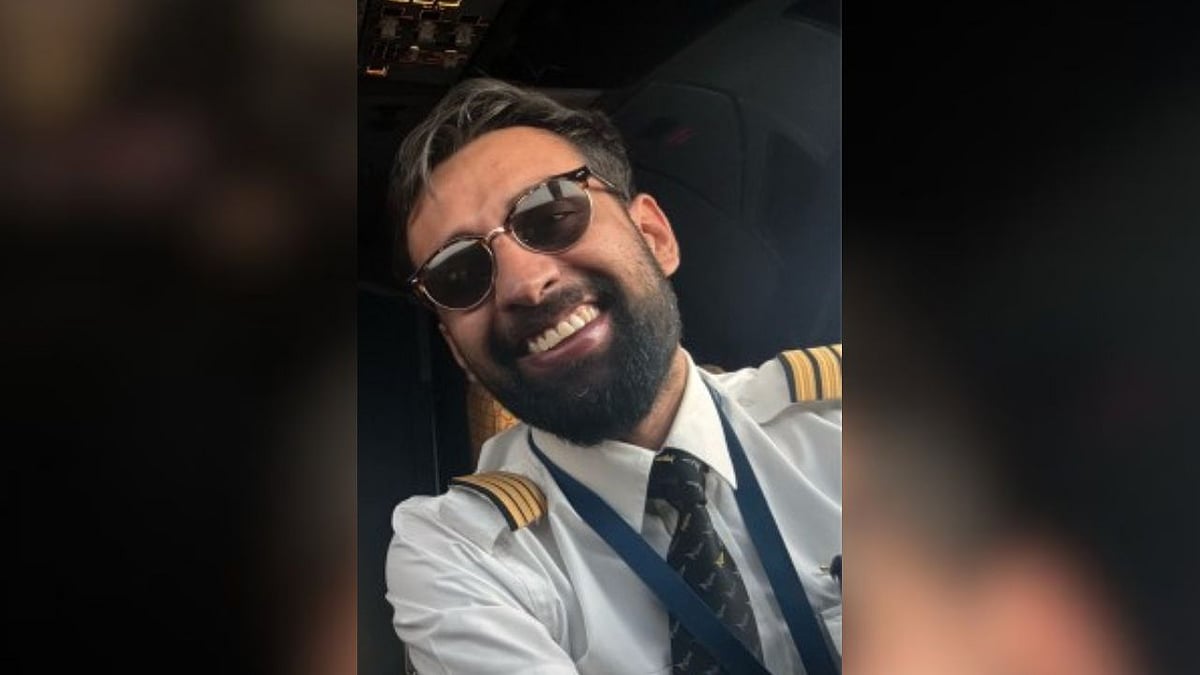
Air India has terminated the employment of a pilot-in-command with immediate effect after a confirmatory test detected a psychoactive substance. The pilot was in charge of the Phuket-Delhi flight AI2379.
The airline took this action in accordance with its zero-tolerance policy towards violations of safety, fitness, and regulatory requirements. The pilot's employment was terminated after a confirmatory test detected a psychoactive substance, according to an Air India spokesperson.
This development follows a preliminary report by the Aircraft Accident Investigation Bureau (AAIB) into an incident involving the Airbus A320 operating the Phuket-Delhi flight on August 4. The aircraft experienced a sudden altitude variation of around 300 feet and reportedly lost control for approximately four seconds during the flight.
The incident left 24 passengers and crew members injured. The AAIB described the finding of the pilot-in-command being non-negative for a psychoactive substance as a serious concern. The bureau recommended that the Directorate General of Civil Aviation (DGCA) take appropriate action on priority to prevent the abuse of psychoactive substances.
The report also noted that multiple hydraulic system failures were being examined as part of the ongoing technical investigation into the incident. The AAIB stressed that its preliminary findings were issued in accordance with International Civil Aviation Organization (ICAO) guidelines and should not be considered the final determination of the cause of the incident.
Following the incident, Air India has strengthened its testing regime for pilots, moving beyond its earlier system of random checks to mandate psychoactive substance testing as part of enhanced safety measures. The AAIB's investigation into the technical and other circumstances surrounding the August 4 incident remains underway, with a final report expected after the probe is completed.
The incident highlights the importance of ensuring the safety and fitness of pilots to operate flights. Air India's zero-tolerance policy towards violations of safety, fitness, and regulatory requirements is a step in the right direction to prevent such incidents in the future.
The airline's decision to terminate the pilot's employment and strengthen its testing regime is a measure to ensure the safety of its passengers and crew members. The incident is a reminder of the need for strict safety protocols and regular testing to prevent the abuse of psychoactive substances among pilots.
In conclusion, the termination of the pilot's employment and the strengthening of Air India's testing regime are significant steps towards ensuring the safety of air travel. The incident highlights the importance of prioritizing safety and taking swift action against any violations of safety protocols.
The final report of the AAIB's investigation is expected to provide more details on the incident and the causes behind it. Until then, Air India's actions are a reassuring step towards ensuring the safety of its passengers and crew members.
The incident has also raised concerns about the safety of air travel and the need for stricter safety protocols. The DGCA and other regulatory bodies are expected to take note of the incident and take necessary actions to prevent such incidents in the future.
Overall, the termination of the pilot's employment and the strengthening of Air India's testing regime are positive steps towards ensuring the safety of air travel. The incident is a reminder of the need for strict safety protocols and regular testing to prevent the abuse of psychoactive substances among pilots.
Frequently asked questions
What happened to the pilot of the Phuket-Delhi flight?
The pilot's employment was terminated with immediate effect after a confirmatory test detected a psychoactive substance.
How many people were injured in the incident?
24 passengers and crew members were injured in the incident.