SC Reviews High Cost Of Lifesaving Medicines
The Supreme Court will examine the high cost of lifesaving medicines. This move aims to make essential drugs more affordable.
'%3E%3Crect%20width%3D'96'%20height%3D'96'%20fill%3D'%23B3261E'%2F%3E%3Ccircle%20cx%3D'30'%20cy%3D'24'%20r%3D'44'%20fill%3D'%23fff'%20opacity%3D'.12'%2F%3E%3Ccircle%20cx%3D'60'%20cy%3D'74'%20r%3D'40'%20fill%3D'%23000'%20opacity%3D'.10'%2F%3E%3C%2Fg%3E%3Cg%20fill%3D'%23fff'%3E%3Crect%20x%3D'29'%20y%3D'49'%20width%3D'8'%20height%3D'19'%20rx%3D'1'%2F%3E%3Crect%20x%3D'39'%20y%3D'40'%20width%3D'9'%20height%3D'28'%20rx%3D'1'%2F%3E%3Crect%20x%3D'50'%20y%3D'45'%20width%3D'8'%20height%3D'23'%20rx%3D'1'%2F%3E%3Crect%20x%3D'60'%20y%3D'53'%20width%3D'7'%20height%3D'15'%20rx%3D'1'%2F%3E%3Crect%20x%3D'41'%20y%3D'34'%20width%3D'5'%20height%3D'6'%2F%3E%3C%2Fg%3E%3C%2Fsvg%3E)
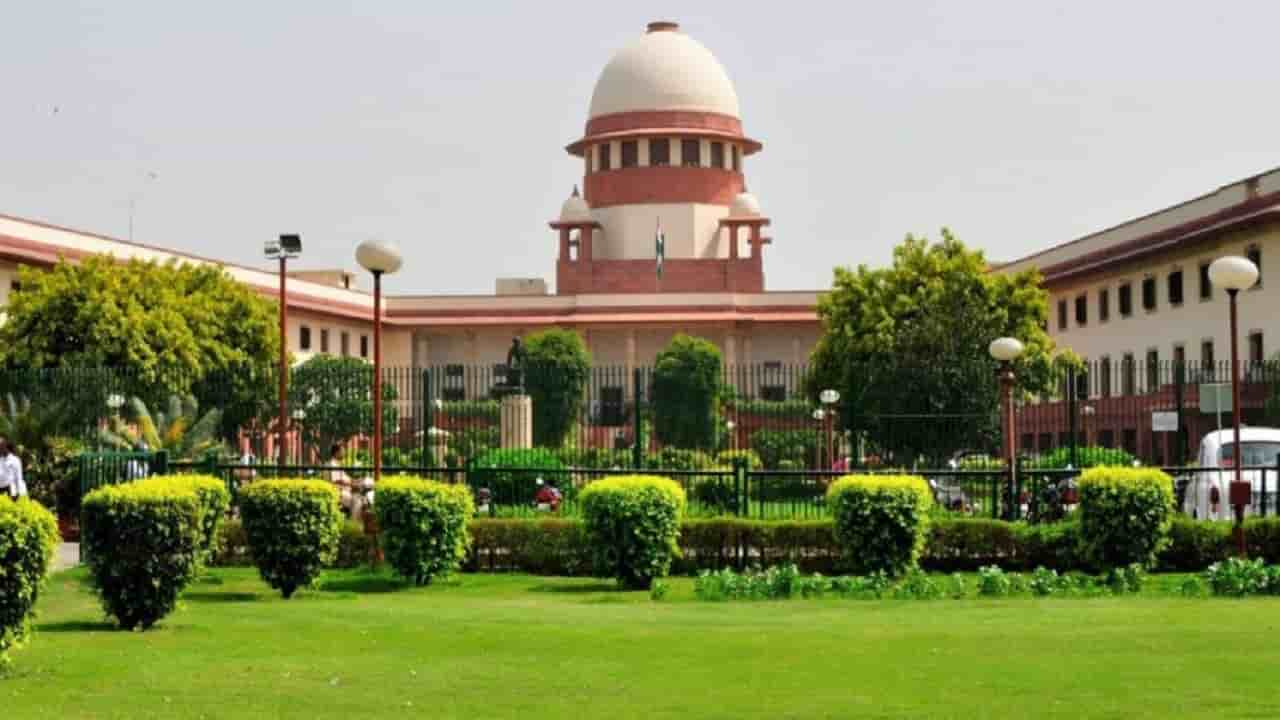
The Supreme Court of India has decided to take up the issue of the high cost of lifesaving medicines in the country. This decision is expected to bring relief to many patients who struggle to afford the expensive drugs they need to survive.
The court's move comes as a response to the growing concern over the exorbitant prices of certain medicines that are essential for the treatment of life-threatening diseases. Many of these drugs are patented, which gives pharmaceutical companies the exclusive right to produce and sell them, often at very high prices.
The Supreme Court will examine the issue and consider possible solutions to make these lifesaving medicines more affordable for the general public. This may involve reviewing the current patent laws and regulations that govern the pharmaceutical industry in India.
The high cost of medicines is a major concern in India, where many people struggle to access even basic healthcare. The country has a large population of people living below the poverty line, and the expensive prices of lifesaving drugs can be a significant burden for them.
In recent years, there have been several instances of patients being forced to pay exorbitant prices for medicines, often with devastating consequences. The Supreme Court's decision to take up this issue is seen as a positive step towards addressing this problem and making healthcare more accessible and affordable for all.
India has a well-established pharmaceutical industry that produces a wide range of medicines, including generic versions of patented drugs. However, the prices of these drugs are often still out of reach for many people, particularly in rural areas where access to healthcare is limited.
The Supreme Court's review of the high cost of lifesaving medicines is expected to have significant implications for the pharmaceutical industry and the healthcare sector as a whole. It may lead to changes in the way that medicines are priced and sold in India, and could potentially make a major difference in the lives of millions of people who rely on these drugs to survive.
The issue of expensive medicines is not unique to India, and it is a problem that is faced by many countries around the world. However, the Supreme Court's decision to take up this issue is a significant step towards addressing the problem and making healthcare more accessible and affordable for all.
In conclusion, the Supreme Court's decision to review the high cost of lifesaving medicines is a welcome move that has the potential to make a major difference in the lives of millions of people in India. It is a complex issue that requires a nuanced and multifaceted approach, but the court's intervention is a significant step towards addressing the problem and making healthcare more accessible and affordable for all.