Mumbai Monsoon Enters Final Stretch
Mumbai's monsoon season is ending, BMC shifts focus to pollution
'%3E%3Crect%20width%3D'96'%20height%3D'96'%20fill%3D'%23B3261E'%2F%3E%3Ccircle%20cx%3D'30'%20cy%3D'24'%20r%3D'44'%20fill%3D'%23fff'%20opacity%3D'.12'%2F%3E%3Ccircle%20cx%3D'60'%20cy%3D'74'%20r%3D'40'%20fill%3D'%23000'%20opacity%3D'.10'%2F%3E%3C%2Fg%3E%3Cg%20fill%3D'%23fff'%3E%3Crect%20x%3D'29'%20y%3D'49'%20width%3D'8'%20height%3D'19'%20rx%3D'1'%2F%3E%3Crect%20x%3D'39'%20y%3D'40'%20width%3D'9'%20height%3D'28'%20rx%3D'1'%2F%3E%3Crect%20x%3D'50'%20y%3D'45'%20width%3D'8'%20height%3D'23'%20rx%3D'1'%2F%3E%3Crect%20x%3D'60'%20y%3D'53'%20width%3D'7'%20height%3D'15'%20rx%3D'1'%2F%3E%3Crect%20x%3D'41'%20y%3D'34'%20width%3D'5'%20height%3D'6'%2F%3E%3C%2Fg%3E%3C%2Fsvg%3E)
Mumbai's monsoon season has entered its final stretch, with the city's civic body, the Brihanmumbai Municipal Corporation (BMC), turning its attention to a new challenge: pollution.
The monsoon season, which typically runs from June to September, has brought the usual set of challenges to the city, including flooding, waterlogging, and infrastructure damage. However, with the rains beginning to subside, the BMC is now focusing on the issue of pollution, which has become a major concern for the city.
The BMC has been working to improve the city's waste management systems, including the collection and disposal of garbage, as well as the management of sewage and industrial waste. The civic body has also been implementing measures to reduce air pollution, including the introduction of cleaner fuels and the promotion of electric vehicles.
One of the major sources of pollution in Mumbai is the city's garbage dumps, which are often overflowing and poorly managed. The BMC has been working to improve the management of these dumps, including the introduction of new technologies and systems for waste disposal.
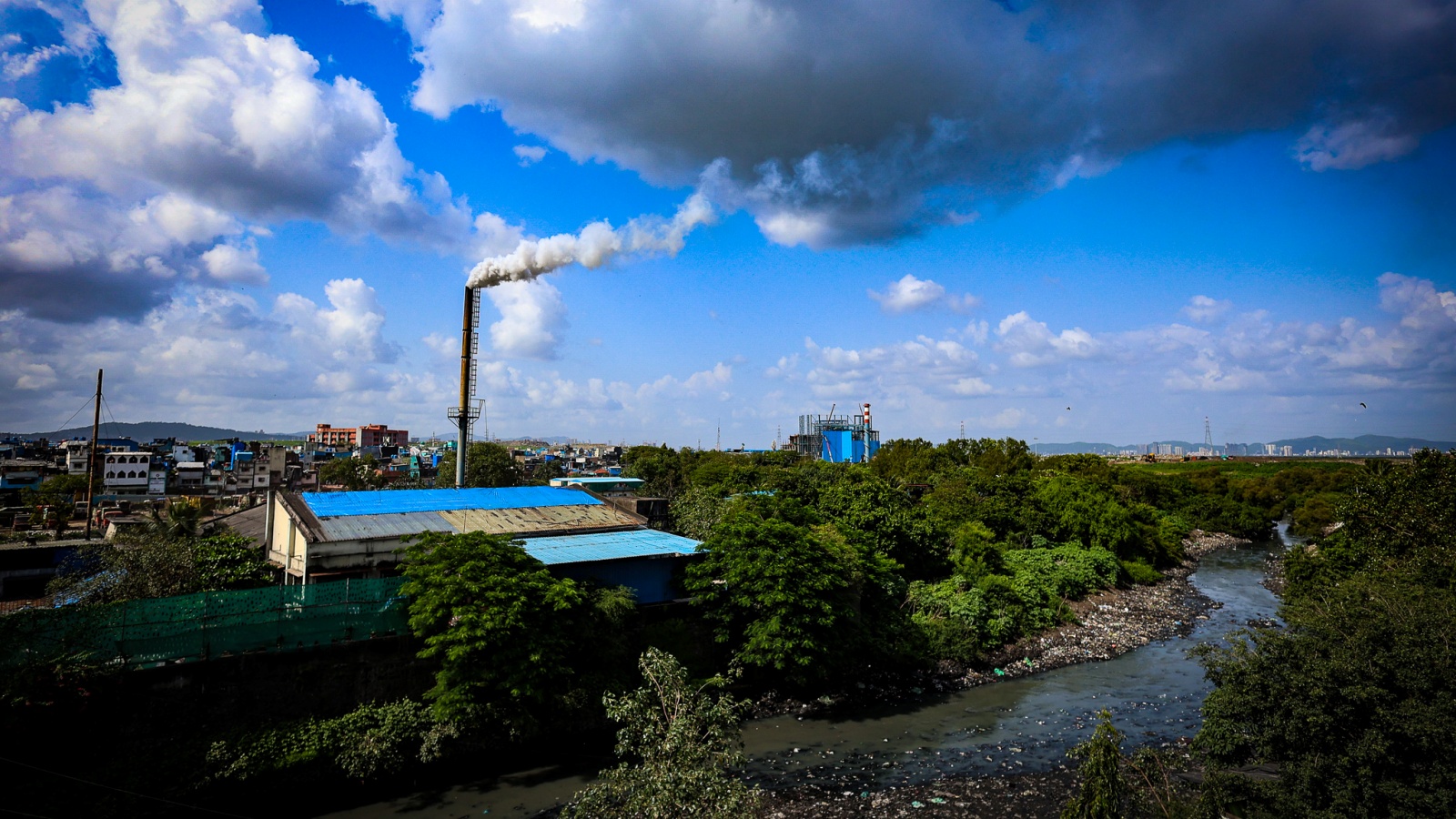
The city's water bodies, including the Mithi River and the Arabian Sea, are also major victims of pollution. The BMC has been working to clean up these water bodies, including the removal of plastic waste and other pollutants.
The BMC's focus on pollution is a welcome move, as the city's residents have been complaining about the issue for years. The civic body's efforts to improve waste management and reduce air pollution are expected to have a positive impact on the city's environment and public health.
Mumbai's pollution problem is not just an environmental issue, but also a public health concern. The city's residents are exposed to high levels of air and water pollution, which can have serious health consequences. The BMC's efforts to address this issue are therefore critical to the well-being of the city's residents.
In recent years, Mumbai has been ranked as one of the most polluted cities in the world. The city's pollution problem is attributed to a combination of factors, including the large population, industrial activities, and poor waste management practices.
The BMC's focus on pollution is part of a broader effort to improve the city's environment and public health. The civic body has been working to implement a range of measures, including the introduction of green spaces, the promotion of sustainable transportation, and the improvement of waste management systems.
As the monsoon season comes to an end, the BMC's focus on pollution is a timely reminder of the need to address this critical issue. The city's residents can expect to see a range of initiatives and measures implemented in the coming months, aimed at reducing pollution and improving the city's environment.
In conclusion, the BMC's focus on pollution is a welcome move, and one that is critical to the well-being of the city's residents. As the city's monsoon season comes to an end, the civic body's efforts to address this issue will be closely watched by residents and environmentalists alike.
Frequently asked questions
What is the BMC doing to address pollution in Mumbai?
The BMC is working to improve waste management systems, reduce air pollution, and clean up water bodies.
Why is pollution a major concern in Mumbai?
Pollution is a major concern in Mumbai due to its impact on public health and the environment.