Delhi HC Orders CJP's X Account Unblocked
Centre drops objection, account to be restored. CJP is a satirical group.

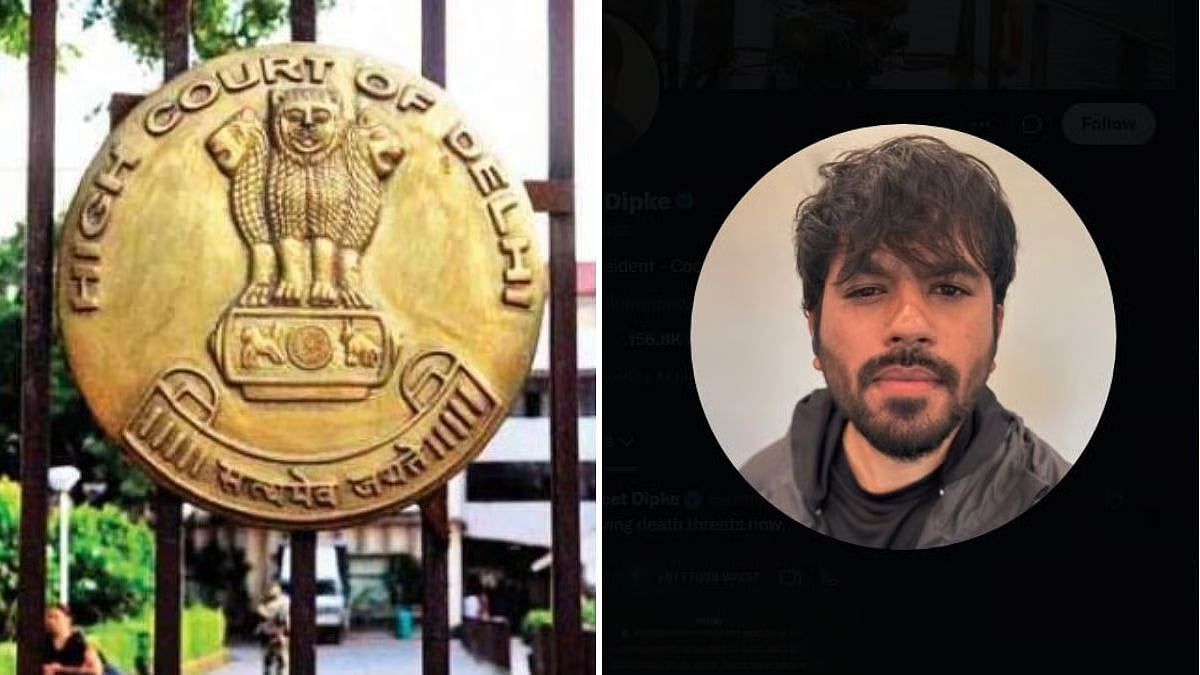
The Delhi High Court has ordered the unblocking of the X account of the Cockroach Janta Party (CJP) after the Central government dropped its objection to the account's restoration. The decision was made on Tuesday, with Justice Swarana Kanta Sharma directing that the account be unblocked.
Solicitor General Tushar Mehta, appearing for the Centre, informed the court that the circumstances that led to the blocking of the account no longer existed. The account was initially blocked due to concerns related to the National Eligibility cum Entrance Test (NEET), but with the examination now over, the Centre stated that it had no objection to the account being restored.
The court's decision came after CJP founder Abhijit Dipke challenged the government's blocking order, which was issued on national security grounds. The petition was filed through advocate Nakul Gandhi, and the court subsequently allowed the plea.
During the previous hearing on May 29, the High Court had declined to immediately restore the account, citing the need to hear the Centre's response due to the issue's far-reaching consequences. However, with the Centre's change in stance, the court revoked the blocking order.
The Cockroach Janta Party is a satirical online movement that emerged recently and gained popularity on social media, particularly among younger users. The group has hundreds of thousands of followers on X and over 22 million followers on Instagram.
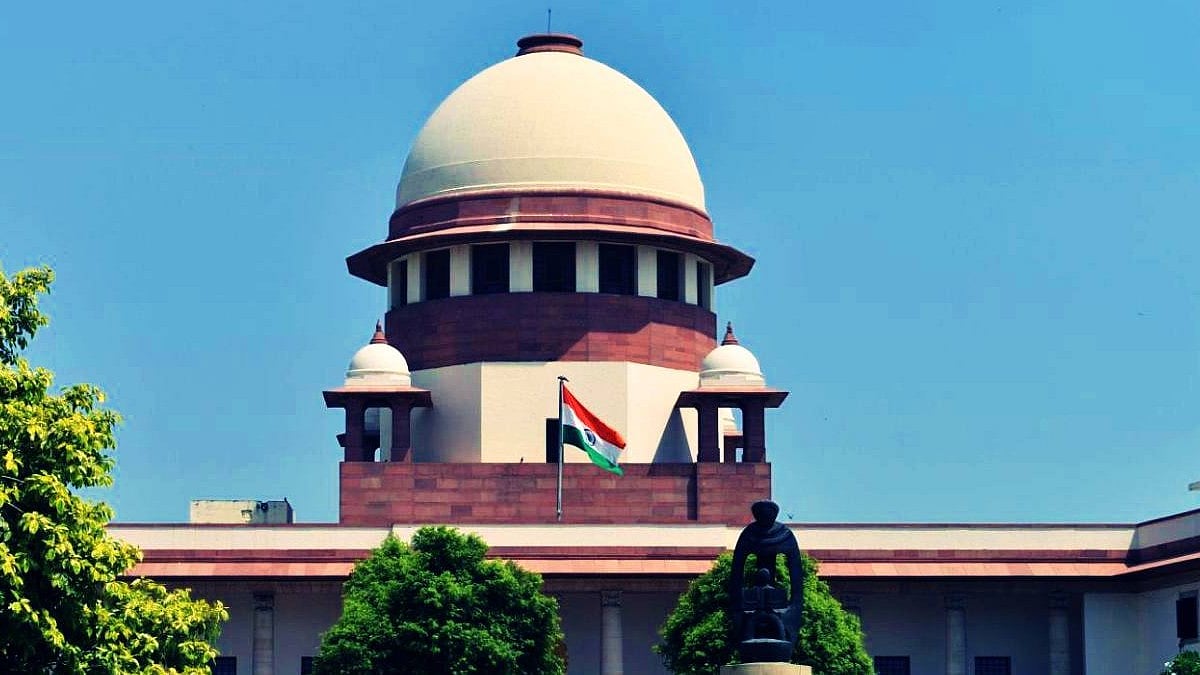
The movement originated after Supreme Court proceedings on May 15, when Chief Justice of India Surya Kant expressed concern over unemployed young lawyers moving away from legal practice towards social media and RTI activism. The Chief Justice's remarks were later clarified to be aimed at individuals entering professions using forged qualifications.
The unblocking of the CJP's X account is seen as a significant development, as it allows the satirical group to continue its online presence. The Centre's decision to drop its objection is also notable, as it suggests that the government is willing to reconsider its stance on online censorship.
The case highlights the importance of online freedom of expression and the role of social media in shaping public discourse. The CJP's satirical content has resonated with many online users, and the group's ability to continue posting on X is likely to be seen as a victory for free speech.
In the coming days, it will be interesting to see how the CJP utilizes its restored online presence and how the Centre's decision is received by the public. The case may also set a precedent for future instances of online censorship, and its implications will be closely watched by online activists and free speech advocates.
The Delhi High Court's decision is a significant development in the ongoing debate over online freedom of expression in India. As the country continues to navigate the complexities of social media and online censorship, cases like this will play an important role in shaping the contours of online discourse.
The CJP's X account is expected to be restored soon, and the group's followers are likely to be eager to see new content from the satirical movement. With the Centre's objection dropped, the group can now continue to post its satirical content without fear of censorship, and its online presence is likely to continue to grow.
In conclusion, the Delhi High Court's decision to unblock the CJP's X account is a significant victory for online freedom of expression in India. The case highlights the importance of social media in shaping public discourse and the need for the government to balance its concerns over national security with the need to protect online free speech.
The Centre's decision to drop its objection is a positive development, and it suggests that the government is willing to reconsider its stance on online censorship. As the country continues to navigate the complexities of social media, cases like this will play an important role in shaping the contours of online discourse.
The CJP's satirical content has resonated with many online users, and the group's ability to continue posting on X is likely to be seen as a victory for free speech. The case may also set a precedent for future instances of online censorship, and its implications will be closely watched by online activists and free speech advocates.
The Delhi High Court's decision is a significant development in the ongoing debate over online freedom of expression in India. As the country continues to navigate the complexities of social media and online censorship, cases like this will play an important role in shaping the contours of online discourse.