Assam Govt Targets Polygamy
Assam proposes strict rules against polygamy, including job loss and welfare denial.

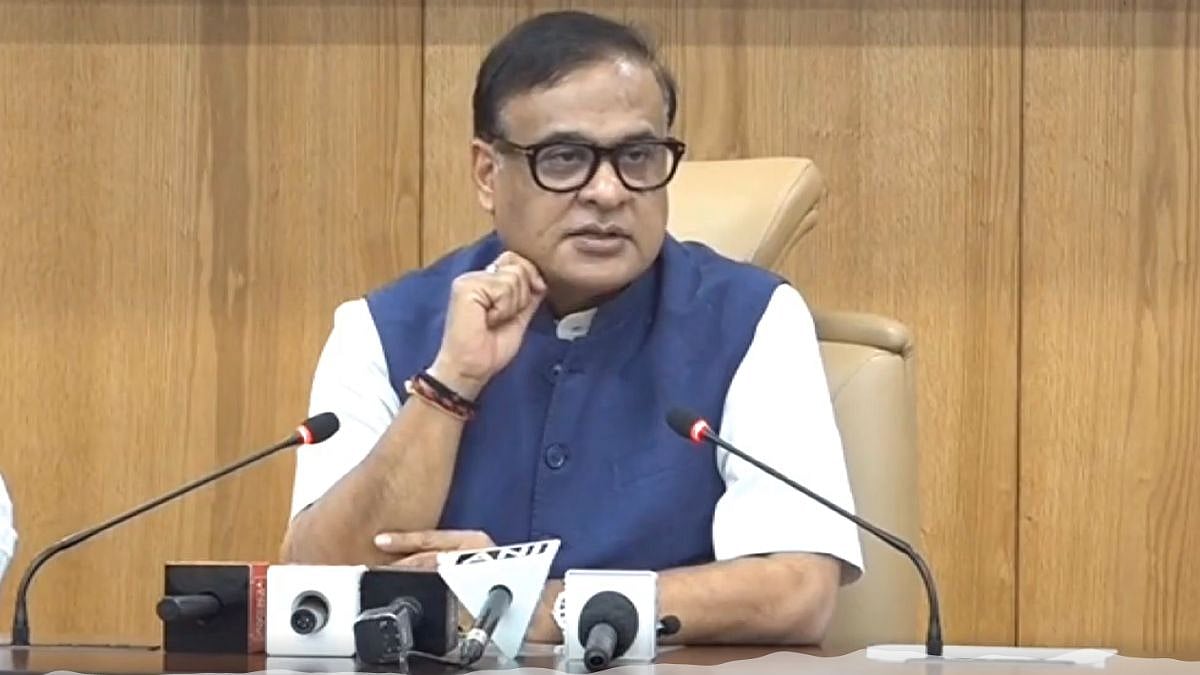
The Assam government has introduced stringent measures to combat polygamy, including the potential dismissal of government employees who practice it and the denial of benefits under state welfare schemes. This proposal was presented in the 2026-27 state Budget on Friday.
According to Assam CM Himanta Biswa Sarma, the move aims to promote women's empowerment and gender justice. Any male practicing polygamy will not be eligible for benefits under government welfare schemes. Additionally, individuals convicted of offenses under any criminal law will also be barred from availing these benefits.
The Budget proposes amending the Assam Services (Discipline and Appeal) Rules, 1964, to make government employees found guilty of practicing polygamy liable for dismissal from service. Finance Minister Jayanta Malla Baruah presented the Budget in the Assembly, stating that the proposals are aimed at promoting women's empowerment, gender justice, and responsible citizenship.
The government has allocated over Rs 6,000 crore for various welfare programs, which will resume in August. The minister also unveiled a Rs 2.85 lakh crore Budget for the 2026-27 financial year, proposing a fourfold increase in the tax exemption limit for small tea growers and a nearly 10-percentage-point reduction in VAT on piped natural gas.
These proposals build on the Assam Prohibition of Polygamy Bill, 2025, passed by the Assembly last year. The legislation seeks to prohibit polygamous marriages in most parts of the state and prescribes a punishment of up to seven years' imprisonment and a fine for those found guilty of entering into or concealing a second marriage while the first remains legally valid.
The Assam government's move is a significant step towards addressing the issue of polygamy in the state. With the proposed measures, the government aims to create a more just and equitable society for women. The allocation of funds for welfare programs and the proposed amendments to existing laws demonstrate the government's commitment to promoting women's empowerment and gender justice.
The proposal to dismiss government employees found practicing polygamy is a strong statement against the practice. It sends a clear message that the government will not tolerate such behavior, especially among its employees. The denial of benefits under state welfare schemes is also a significant measure, as it will discourage individuals from practicing polygamy.
The Assam government's move is likely to have a positive impact on the state's society. By promoting women's empowerment and gender justice, the government is creating a more equitable and just environment for all citizens. The proposed measures are a significant step towards addressing the issue of polygamy and promoting responsible citizenship.
In conclusion, the Assam government's proposal to target polygamy is a significant move towards creating a more just and equitable society. With the allocation of funds for welfare programs and the proposed amendments to existing laws, the government is demonstrating its commitment to promoting women's empowerment and gender justice. The move is likely to have a positive impact on the state's society and is a significant step towards addressing the issue of polygamy.