Mumbai Leads Shift To Concrete Roads
Mumbai adopts concrete roads, reducing potholes and costs. A new approach to infrastructure.
'%3E%3Crect%20width%3D'96'%20height%3D'96'%20fill%3D'%23B3261E'%2F%3E%3Ccircle%20cx%3D'30'%20cy%3D'24'%20r%3D'44'%20fill%3D'%23fff'%20opacity%3D'.12'%2F%3E%3Ccircle%20cx%3D'60'%20cy%3D'74'%20r%3D'40'%20fill%3D'%23000'%20opacity%3D'.10'%2F%3E%3C%2Fg%3E%3Cg%20fill%3D'%23fff'%3E%3Crect%20x%3D'29'%20y%3D'49'%20width%3D'8'%20height%3D'19'%20rx%3D'1'%2F%3E%3Crect%20x%3D'39'%20y%3D'40'%20width%3D'9'%20height%3D'28'%20rx%3D'1'%2F%3E%3Crect%20x%3D'50'%20y%3D'45'%20width%3D'8'%20height%3D'23'%20rx%3D'1'%2F%3E%3Crect%20x%3D'60'%20y%3D'53'%20width%3D'7'%20height%3D'15'%20rx%3D'1'%2F%3E%3Crect%20x%3D'41'%20y%3D'34'%20width%3D'5'%20height%3D'6'%2F%3E%3C%2Fg%3E%3C%2Fsvg%3E)
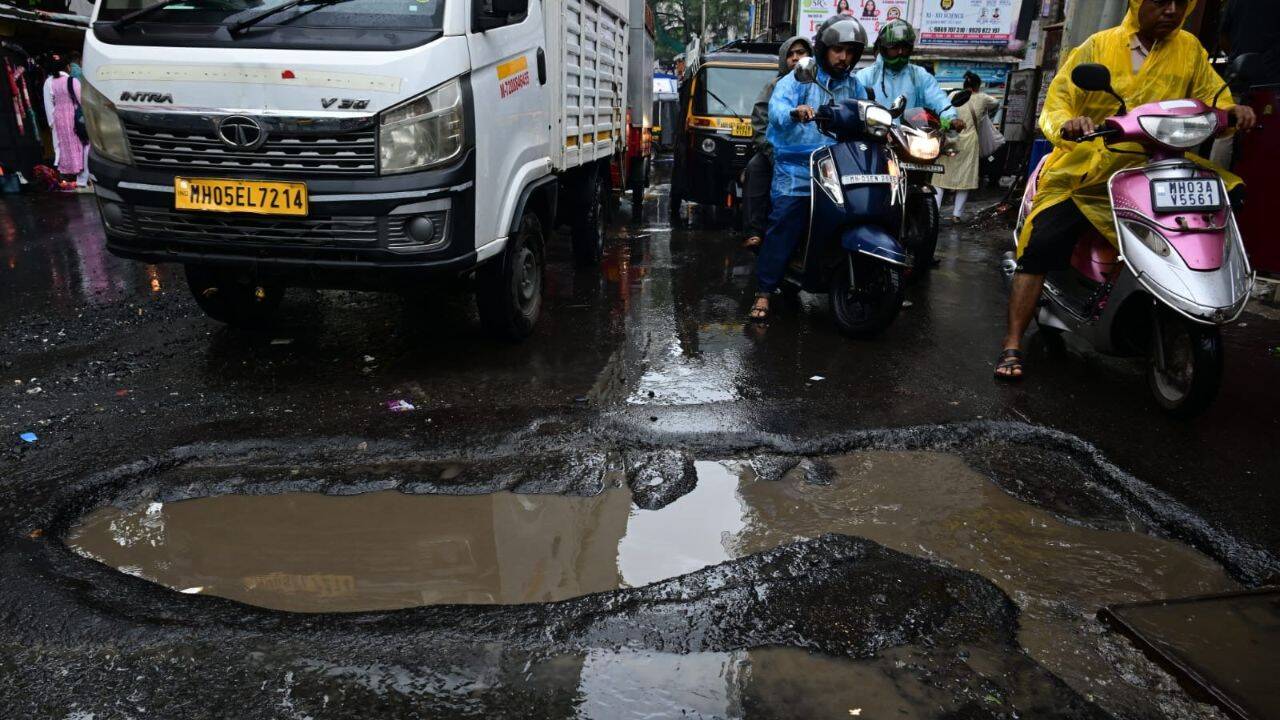
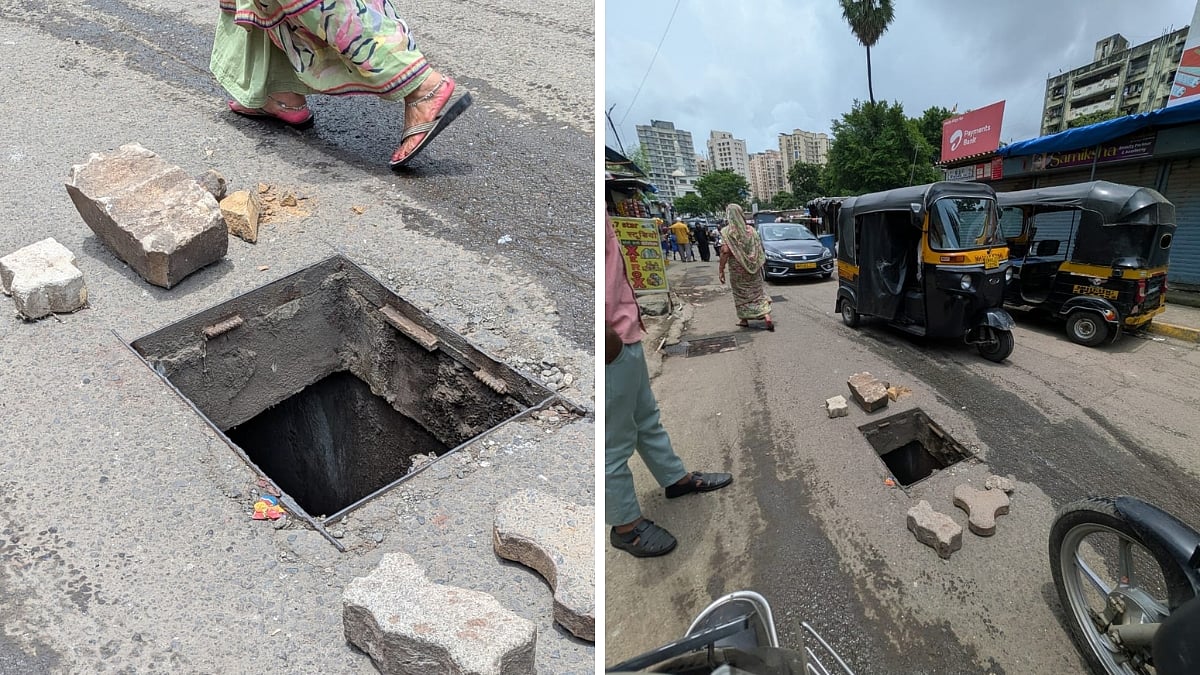
Mumbai has embarked on an ambitious project to replace asphalt roads with concrete ones, aiming to reduce the financial burden of recurring pothole repairs. This initiative is part of a larger vision for a pothole-mukt Bharat, where cities across the country can benefit from more durable and cost-effective infrastructure.
The decision to opt for concrete roads is driven by the long-term benefits they offer. Although the initial construction costs are higher, concrete roads require significantly less maintenance than their asphalt counterparts. This reduction in maintenance needs translates to substantial economic savings, as the city will no longer have to allocate considerable resources to repair potholes and resurface roads.
Mumbai's adoption of concrete roads is a pioneering effort in the country. The city's extensive cement concrete road projects are setting a precedent for other urban centers to follow. By investing in this sustainable infrastructure, Mumbai is not only improving the quality of its roads but also contributing to a broader national goal of creating a pothole-free environment.
The economic implications of this shift are considerable. Pothole repairs are a recurring expense for cities, with the costs adding up over time. By reducing the need for these repairs, concrete roads can help alleviate some of the financial pressure on municipal budgets. Furthermore, the smoother roads will lead to reduced wear and tear on vehicles, resulting in lower maintenance costs for drivers and potentially even saving lives by preventing accidents caused by potholes.
The move towards concrete roads also reflects a growing awareness of the importance of sustainable infrastructure. As India continues to urbanize and its cities expand, the need for durable and low-maintenance roads will only increase. By adopting concrete roads, Mumbai is positioning itself at the forefront of this trend, demonstrating a commitment to building infrastructure that can withstand the test of time.
In the context of India's urban development, the shift towards concrete roads is a significant step forward. It underscores the government's focus on creating sustainable and efficient infrastructure, which is critical for the country's economic growth and development. As other cities look to replicate Mumbai's success, the potential for a pothole-mukt Bharat becomes increasingly realistic.
The impact of this initiative will be felt across various sectors, from transportation to commerce. With better roads, travel times will decrease, and the movement of goods and services will become more efficient. This, in turn, can lead to increased economic activity and growth, benefiting both local businesses and the national economy.
In conclusion, Mumbai's transition to concrete roads marks a significant milestone in the country's pursuit of sustainable infrastructure. As the city continues to invest in this durable and cost-effective solution, it sets an example for other urban centers to follow, bringing India closer to its goal of a pothole-free nation. This development is a testament to the city's commitment to innovation and its dedication to creating a better quality of life for its residents.
The success of this initiative will have far-reaching implications for Mumbai and the country as a whole. It will not only improve the city's infrastructure but also contribute to the nation's economic development and growth. As India strives to create a more sustainable and efficient environment, the adoption of concrete roads is a crucial step in the right direction.