India Rejects BRICS Currency Plan
India opposes common currency, Commerce Minister says. BRICS members discuss trade cooperation.
'%3E%3Crect%20width%3D'96'%20height%3D'96'%20fill%3D'%234A235A'%2F%3E%3Ccircle%20cx%3D'30'%20cy%3D'24'%20r%3D'44'%20fill%3D'%23fff'%20opacity%3D'.12'%2F%3E%3Ccircle%20cx%3D'60'%20cy%3D'74'%20r%3D'40'%20fill%3D'%23000'%20opacity%3D'.10'%2F%3E%3C%2Fg%3E%3Cg%20fill%3D'none'%20stroke%3D'%23fff'%20stroke-width%3D'3'%3E%3Ccircle%20cx%3D'48'%20cy%3D'48'%20r%3D'16'%2F%3E%3Cellipse%20cx%3D'48'%20cy%3D'48'%20rx%3D'6.5'%20ry%3D'16'%2F%3E%3Cline%20x1%3D'32'%20y1%3D'42'%20x2%3D'64'%20y2%3D'42'%2F%3E%3Cline%20x1%3D'32'%20y1%3D'54'%20x2%3D'64'%20y2%3D'54'%2F%3E%3C%2Fg%3E%3C%2Fsvg%3E)
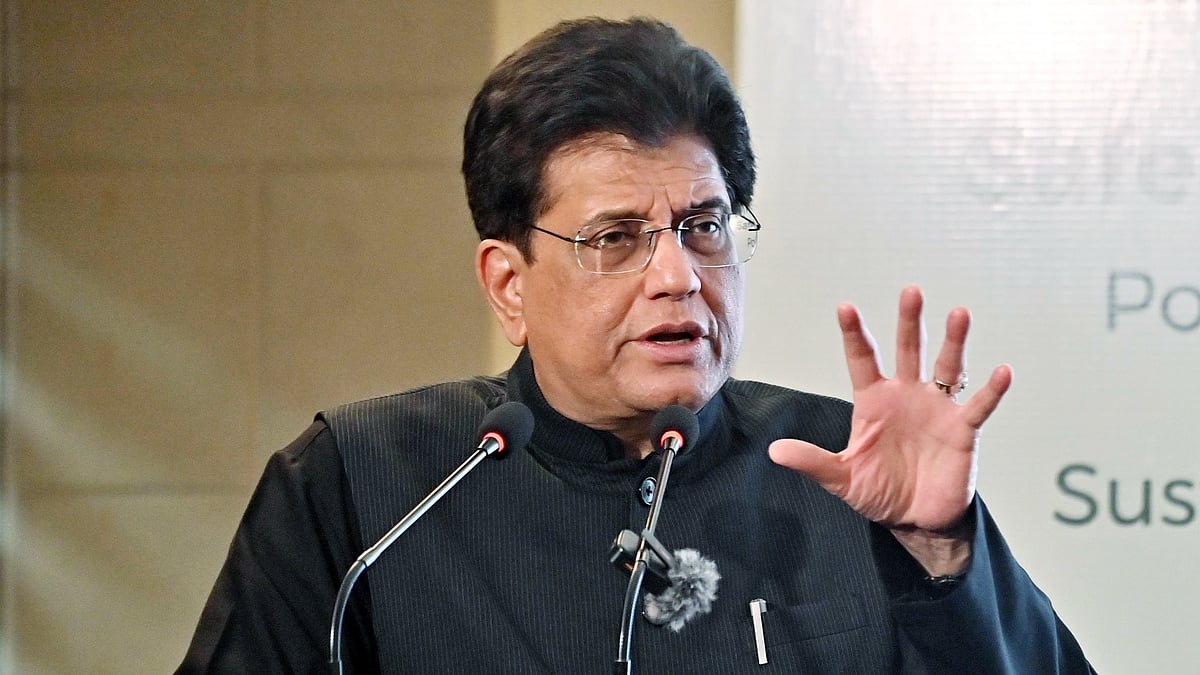
India has made it clear that it does not support the proposal for a common BRICS currency. Commerce and Industry Minister Piyush Goyal stated this after the conclusion of the two-day BRICS trade and industry ministers’ meeting in Jaipur.
Goyal said India was opposed to introducing a currency for the grouping and would not support any scheme aimed at creating one. This decision comes as some BRICS members have explored ways to reduce their dependence on the US dollar in international trade and financial transactions.
Russia and China have backed discussions around alternatives to the dollar. However, India's latest statement reinforces its position that it does not support the creation of a common currency for the 11-member grouping.
The BRICS bloc currently comprises Brazil, China, Egypt, Ethiopia, India, Indonesia, Iran, Russia, Saudi Arabia, South Africa and the United Arab Emirates (UAE). The grouping provides a platform for member countries to discuss and cooperate on economic and political issues of global and regional importance.
The meeting in Jaipur also focused on strengthening economic cooperation among BRICS members. Ministers discussed measures aimed at promoting more balanced trade and investment flows between member countries.
The discussions also covered ways to improve access to financing for micro, small and medium enterprises (MSMEs), which play an important role in employment generation and economic activity across developing economies.
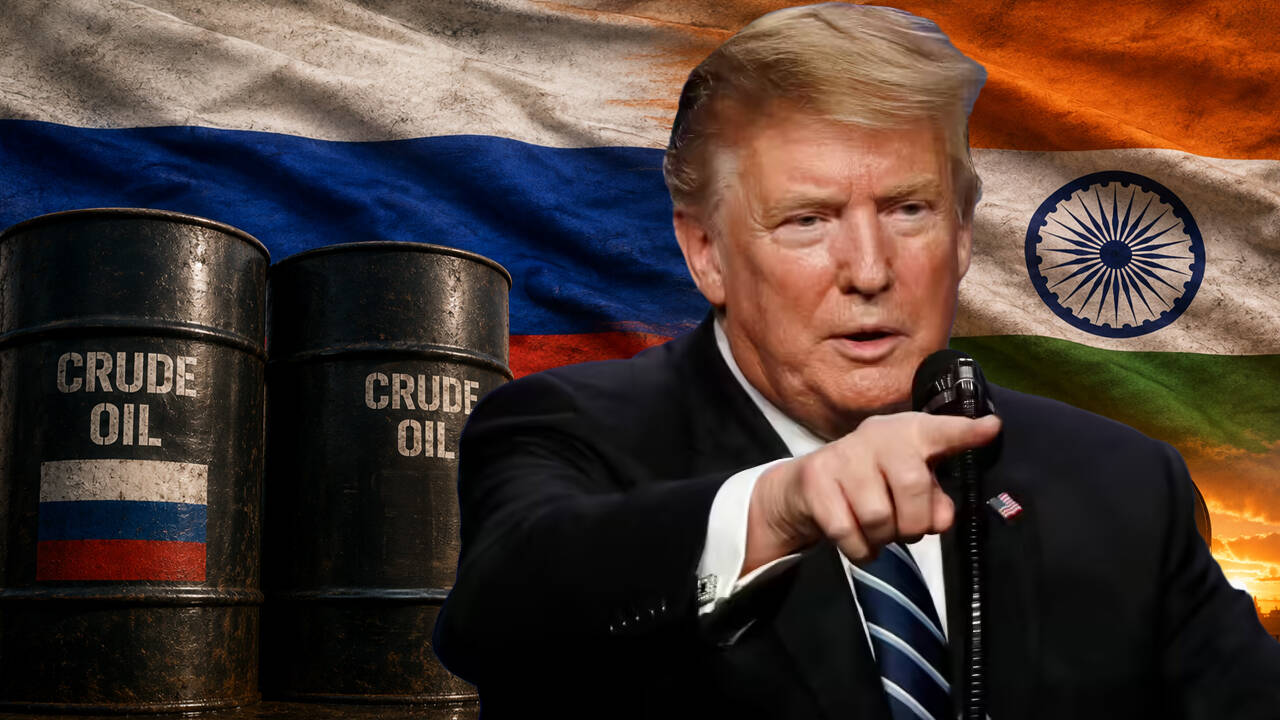
India's opposition to a BRICS currency comes amid continuing international debate over the role of the US dollar in global trade. In 2024, former US President Donald Trump had warned BRICS nations against attempts to replace the dollar with another currency.
Several BRICS members have increasingly explored greater use of local currencies for bilateral trade, partly to reduce exposure to currency fluctuations, sanctions and the US-led global financial system.
A common currency would require significant economic and monetary coordination among countries with widely different financial systems, inflation rates and monetary policies.
The decision by India is significant as it highlights the country's stance on the issue and its commitment to maintaining its economic sovereignty.
In conclusion, India's rejection of the BRICS currency plan is a significant development in the ongoing debate over the role of the US dollar in global trade. It reflects the country's desire to maintain its economic independence and avoid any potential risks associated with a common currency.
Frequently asked questions
What is India's stance on the BRICS currency plan?
India does not support the creation of a common currency for the BRICS grouping.
Why have some BRICS members explored alternatives to the US dollar?
To reduce dependence on the US dollar in international trade and financial transactions, and to minimize exposure to currency fluctuations and sanctions.