Parliament May Remove Justice Varma
Justice Varma faces removal, cash-at-home row sparks debate
'%3E%3Crect%20width%3D'96'%20height%3D'96'%20fill%3D'%231A5276'%2F%3E%3Ccircle%20cx%3D'30'%20cy%3D'24'%20r%3D'44'%20fill%3D'%23fff'%20opacity%3D'.12'%2F%3E%3Ccircle%20cx%3D'60'%20cy%3D'74'%20r%3D'40'%20fill%3D'%23000'%20opacity%3D'.10'%2F%3E%3C%2Fg%3E%3Cg%20fill%3D'%23fff'%3E%3Cpath%20d%3D'M31%2041%20L48%2031%20L65%2041%20Z'%2F%3E%3Crect%20x%3D'33'%20y%3D'43'%20width%3D'4'%20height%3D'17'%2F%3E%3Crect%20x%3D'41'%20y%3D'43'%20width%3D'4'%20height%3D'17'%2F%3E%3Crect%20x%3D'51'%20y%3D'43'%20width%3D'4'%20height%3D'17'%2F%3E%3Crect%20x%3D'59'%20y%3D'43'%20width%3D'4'%20height%3D'17'%2F%3E%3Crect%20x%3D'30'%20y%3D'62'%20width%3D'36'%20height%3D'4'%20rx%3D'1'%2F%3E%3C%2Fg%3E%3C%2Fsvg%3E)
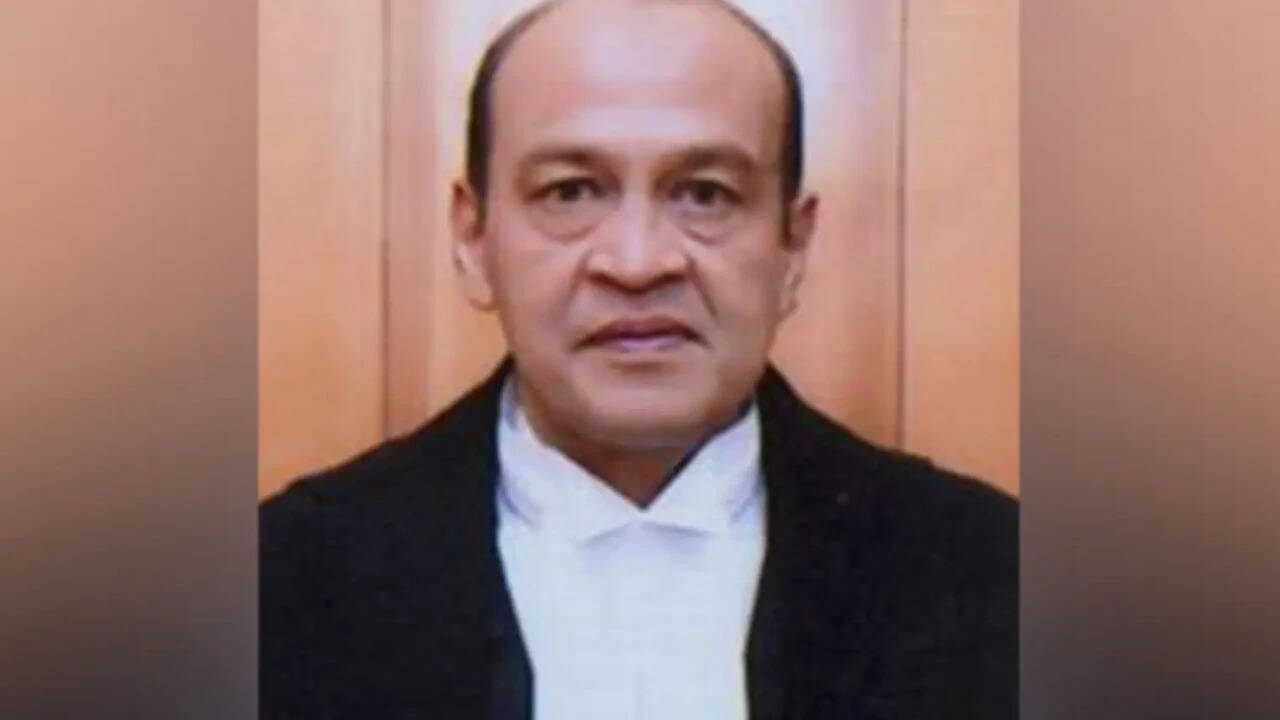
A controversy surrounding Justice Varma has raised questions about the possibility of Parliament removing a judge from office. The cash-at-home row has sparked a debate about the limits of parliamentary power in dealing with judges.
The incident involving Justice Varma has brought attention to the procedures for removing judges in India. According to the Constitution, a judge can be removed from office by Parliament through impeachment.
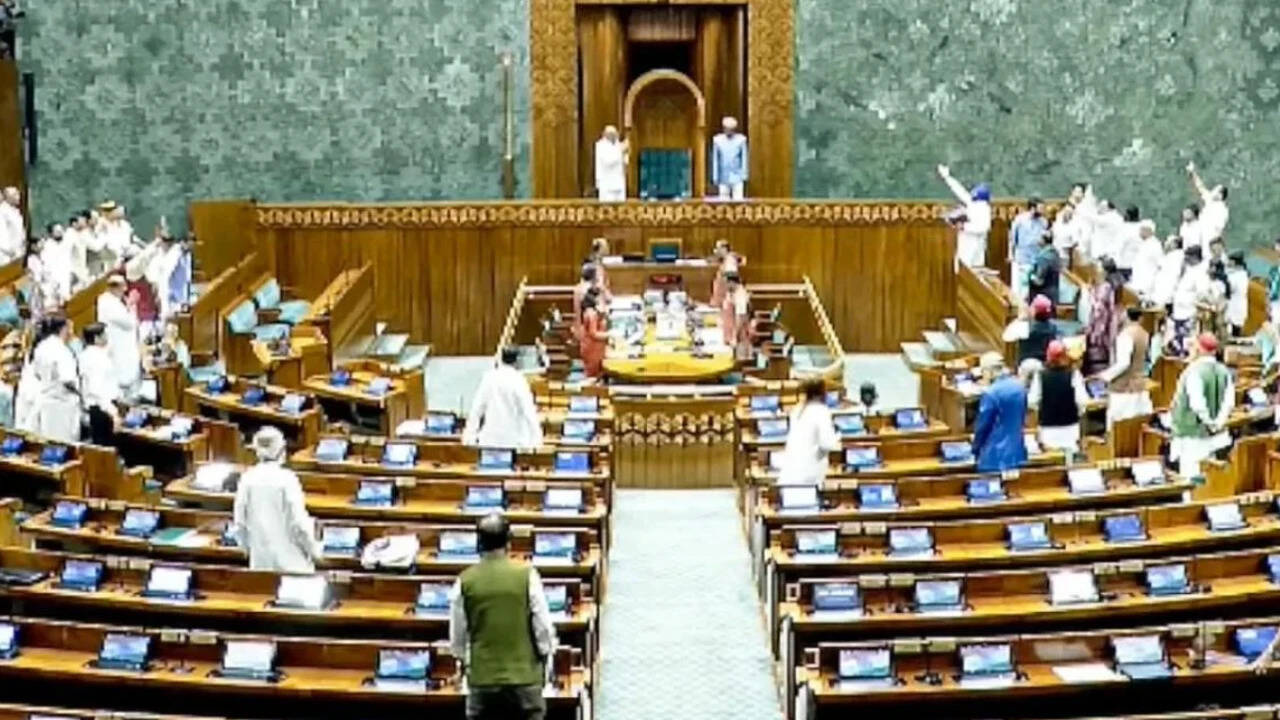
The impeachment process involves two stages: the first stage is the introduction of a motion in either the Lok Sabha or the Rajya Sabha, and the second stage is the investigation by a committee. If the committee finds the judge guilty, the motion is put to vote in both houses of Parliament.
For a judge to be removed, a two-thirds majority is required in both the Lok Sabha and the Rajya Sabha. This means that the motion must be supported by at least two-thirds of the total members present in both houses.
The cash-at-home row has raised concerns about the integrity of the judiciary and the need for accountability. The incident has also sparked a debate about the effectiveness of the impeachment process in dealing with judges who are accused of misconduct.
The Constitution provides for the removal of judges to ensure that the judiciary remains independent and impartial. However, the impeachment process is complex and rarely used.
In recent years, there have been few instances of judges being removed from office through impeachment. This has raised questions about the effectiveness of the process and the need for reforms.
The Justice Varma case has highlighted the need for greater accountability and transparency in the judiciary. The incident has also sparked a debate about the role of Parliament in dealing with judges who are accused of misconduct.
The impeachment process is an important mechanism for ensuring that judges are held accountable for their actions. However, the process is complex and requires a high level of evidence and support.
In conclusion, the controversy surrounding Justice Varma has raised important questions about the role of Parliament in removing judges from office. The impeachment process is a complex and rarely used mechanism, but it is an important tool for ensuring that the judiciary remains independent and impartial.
Frequently asked questions
Can Parliament remove a judge from office?
Yes, Parliament can remove a judge from office through impeachment, with a two-thirds majority in both houses.
What is the impeachment process for removing a judge?
The impeachment process involves the introduction of a motion, investigation by a committee, and a two-thirds majority vote in both houses of Parliament.