Gurgaon Struggles with Annual Road Repairs
Gurgaon faces road damage and waterlogging. Repairs don't fix underlying issues.
'%3E%3Crect%20width%3D'96'%20height%3D'96'%20fill%3D'%23B3261E'%2F%3E%3Ccircle%20cx%3D'30'%20cy%3D'24'%20r%3D'44'%20fill%3D'%23fff'%20opacity%3D'.12'%2F%3E%3Ccircle%20cx%3D'60'%20cy%3D'74'%20r%3D'40'%20fill%3D'%23000'%20opacity%3D'.10'%2F%3E%3C%2Fg%3E%3Cg%20fill%3D'%23fff'%3E%3Crect%20x%3D'29'%20y%3D'49'%20width%3D'8'%20height%3D'19'%20rx%3D'1'%2F%3E%3Crect%20x%3D'39'%20y%3D'40'%20width%3D'9'%20height%3D'28'%20rx%3D'1'%2F%3E%3Crect%20x%3D'50'%20y%3D'45'%20width%3D'8'%20height%3D'23'%20rx%3D'1'%2F%3E%3Crect%20x%3D'60'%20y%3D'53'%20width%3D'7'%20height%3D'15'%20rx%3D'1'%2F%3E%3Crect%20x%3D'41'%20y%3D'34'%20width%3D'5'%20height%3D'6'%2F%3E%3C%2Fg%3E%3C%2Fsvg%3E)
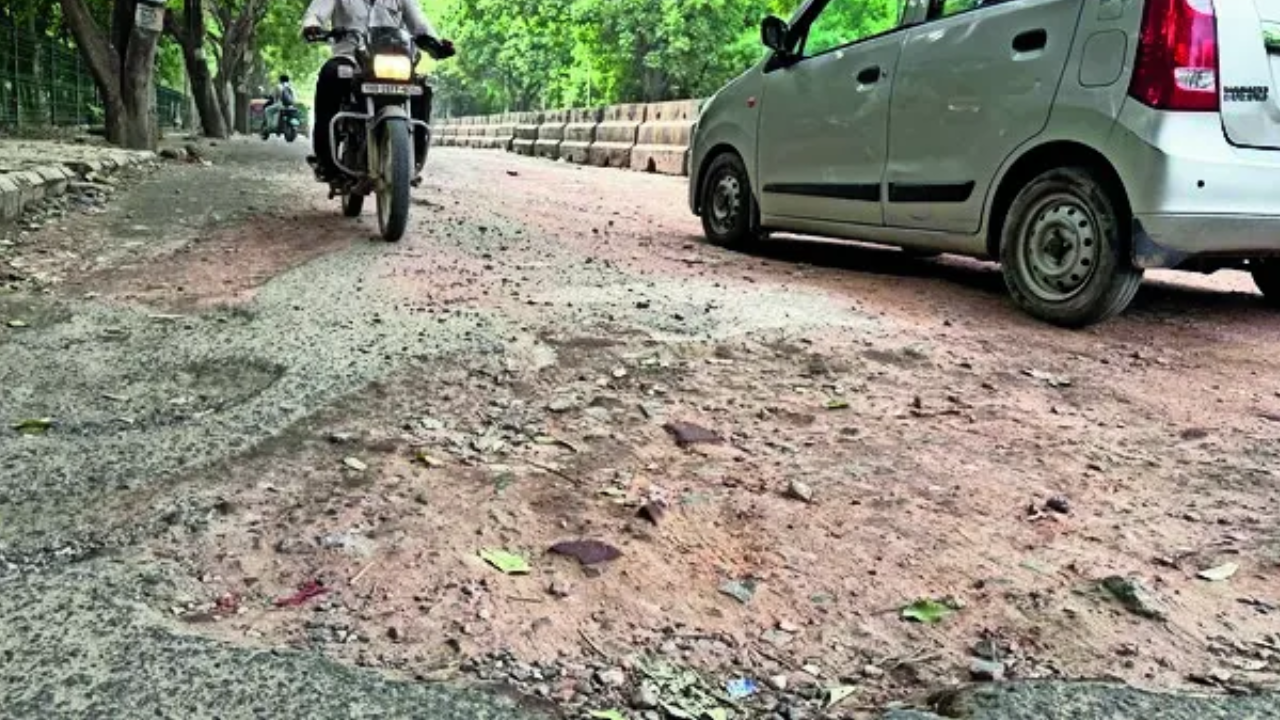
Gurgaon consistently suffers from road damage and waterlogging following significant monsoon rains. This ongoing issue highlights persistent drainage and construction flaws that have yet to be resolved. Despite ongoing investments in repairs, the city fails to tackle the fundamental causes of its infrastructure issues.
The city's roads function within an interdependent network where adequate drainage is essential. However, the current state of affairs suggests that this aspect is being neglected. As a result, the annual road-repair cycle has become a familiar phenomenon in Gurgaon.
Experts suggest that addressing the root causes of the problem is crucial to finding a long-term solution. This includes improving drainage systems, enhancing construction quality, and implementing effective maintenance strategies. By doing so, the city can reduce the likelihood of road damage and waterlogging, thereby minimizing the need for frequent repairs.
Gurgaon's infrastructure issues are not unique to the city. Many urban centers in India face similar challenges, highlighting the need for a comprehensive approach to addressing these problems. By investing in robust infrastructure and implementing sustainable solutions, cities like Gurgaon can mitigate the effects of monsoon rains and provide better services to their residents.
The importance of adequate drainage cannot be overstated. When roads are built without proper drainage systems, they become prone to waterlogging, which can lead to further damage and deterioration. Moreover, poor drainage can also have environmental and health implications, making it essential to address this issue promptly.
In addition to improving drainage, the city must also focus on enhancing construction quality. This includes using high-quality materials, adhering to building codes, and ensuring that contractors are held accountable for their work. By doing so, the city can reduce the likelihood of road damage and minimize the need for frequent repairs.
Effective maintenance strategies are also critical to extending the lifespan of roads. This includes regular inspections, timely repairs, and proactive measures to prevent damage. By adopting a proactive approach to maintenance, the city can reduce the financial burden of frequent repairs and provide better services to its residents.
Furthermore, the city must also engage with its residents and stakeholders to raise awareness about the importance of infrastructure maintenance. By doing so, the city can build a sense of community ownership and encourage residents to take an active role in reporting issues and suggesting solutions.
In conclusion, Gurgaon's annual road-repair cycle is a complex issue that requires a comprehensive solution. By addressing the root causes of the problem, improving drainage systems, enhancing construction quality, and implementing effective maintenance strategies, the city can reduce the likelihood of road damage and waterlogging, thereby providing better services to its residents.
The significance of this issue extends beyond Gurgaon, as many cities in India face similar challenges. By investing in robust infrastructure and implementing sustainable solutions, cities can mitigate the effects of monsoon rains and provide better services to their residents, ultimately contributing to the country's overall development and growth.
Frequently asked questions
What are the main causes of Gurgaon's road damage?
The main causes of Gurgaon's road damage are poor drainage and construction flaws.
How can Gurgaon address its infrastructure issues?
Gurgaon can address its infrastructure issues by improving drainage systems, enhancing construction quality, and implementing effective maintenance strategies.