US Tech Firms Face Tariff Hike on AI Hardware Imports
US tech companies may face increased tariffs on AI hardware imports, raising data center costs.
'%3E%3Crect%20width%3D'96'%20height%3D'96'%20fill%3D'%234A235A'%2F%3E%3Ccircle%20cx%3D'30'%20cy%3D'24'%20r%3D'44'%20fill%3D'%23fff'%20opacity%3D'.12'%2F%3E%3Ccircle%20cx%3D'60'%20cy%3D'74'%20r%3D'40'%20fill%3D'%23000'%20opacity%3D'.10'%2F%3E%3C%2Fg%3E%3Cg%20fill%3D'none'%20stroke%3D'%23fff'%20stroke-width%3D'3'%3E%3Ccircle%20cx%3D'48'%20cy%3D'48'%20r%3D'16'%2F%3E%3Cellipse%20cx%3D'48'%20cy%3D'48'%20rx%3D'6.5'%20ry%3D'16'%2F%3E%3Cline%20x1%3D'32'%20y1%3D'42'%20x2%3D'64'%20y2%3D'42'%2F%3E%3Cline%20x1%3D'32'%20y1%3D'54'%20x2%3D'64'%20y2%3D'54'%2F%3E%3C%2Fg%3E%3C%2Fsvg%3E)
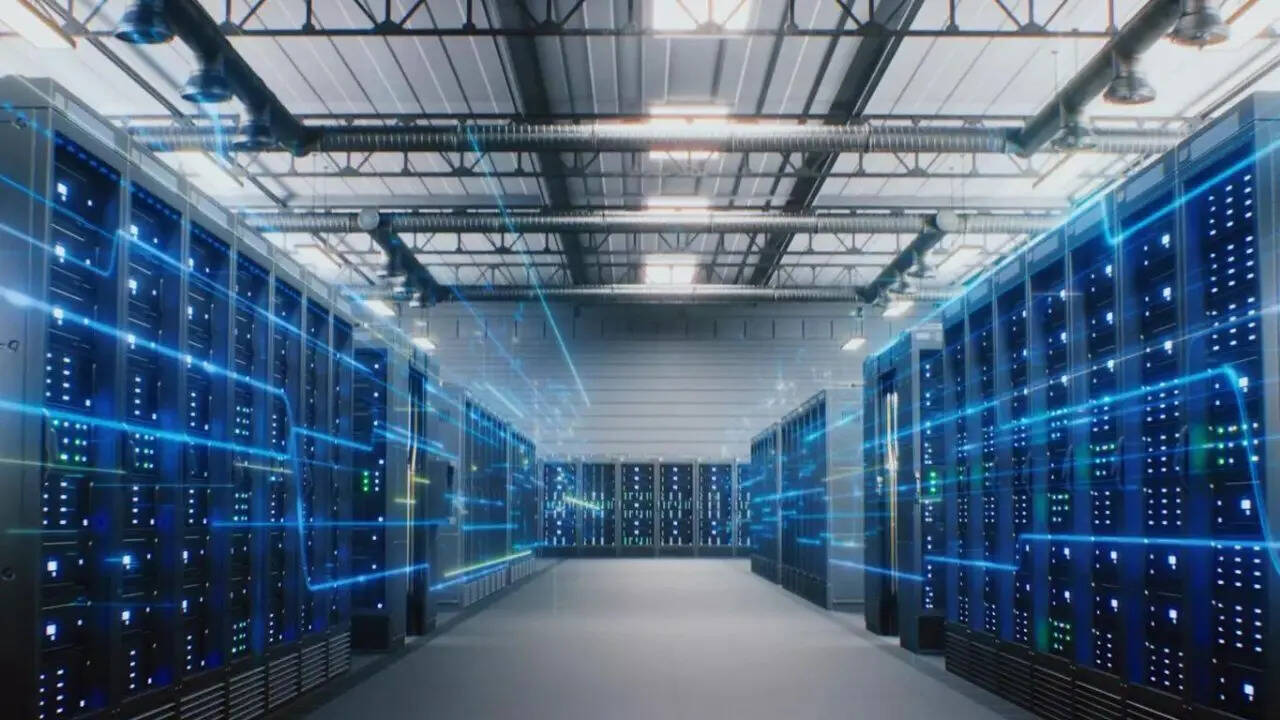
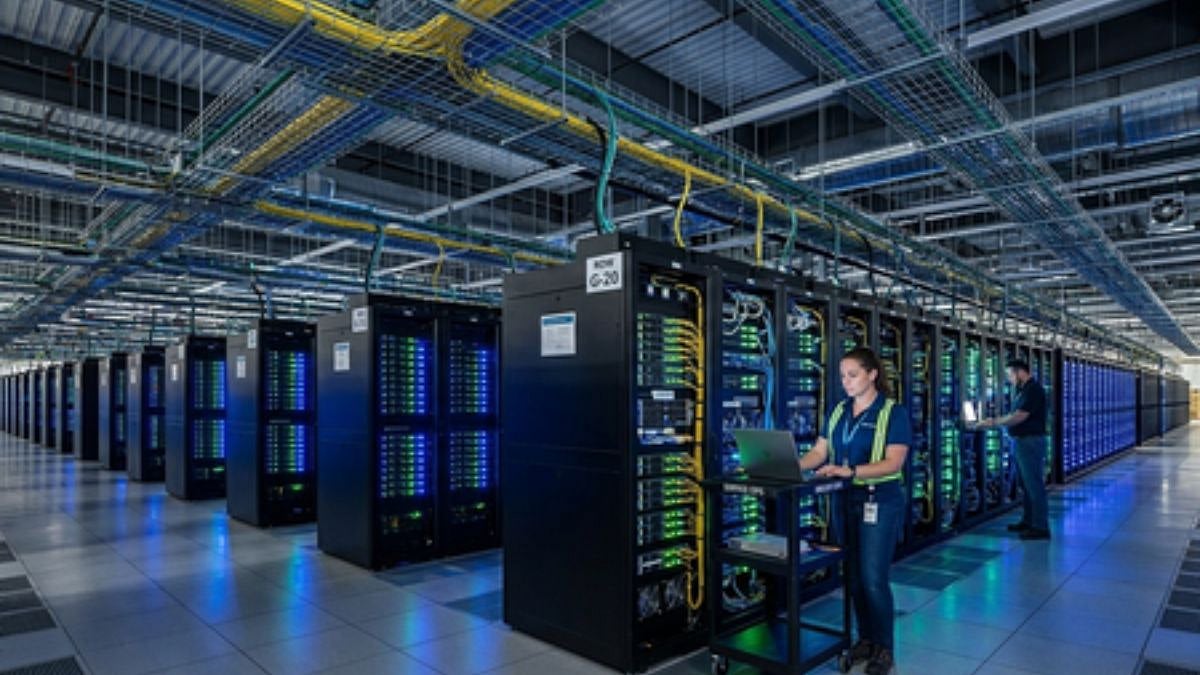
US technology companies are facing a potential increase in tariffs on imports of AI hardware, which could significantly raise expenses for building data centers. This development comes at a time when the industry is already grappling with a chip shortage and a surge in demand.
The suggested duties could have a compounding effect on the existing challenges, making it more difficult for companies to build and maintain data centers. Industry experts caution that these tariffs might obstruct crucial investments in computational advancements, which are necessary for the growth and development of the tech industry.
Currently, American cloud service providers depend heavily on foreign supply chains for key components, including AI hardware. The reliance on foreign suppliers makes them vulnerable to changes in trade policies, including tariff hikes. The potential increase in tariffs could force companies to rethink their supply chain strategies and look for alternative sources of AI hardware.
The US tech industry is a significant contributor to the country's economy, and any disruption to the supply chain could have far-reaching consequences. The industry is already facing challenges due to the chip shortage, which has affected the production of various electronic devices. The surge in demand for data center services has also put a strain on the industry, making it essential for companies to find ways to manage their costs effectively.
The potential tariff hike on AI hardware imports is a concern for industry experts, who believe that it could hinder the growth of the tech industry. The tariffs could make it more expensive for companies to invest in new technologies, including AI and machine learning. This could have a negative impact on the industry's ability to innovate and develop new products and services.
The US government has not yet announced the final decision on the tariff hike, but the industry is already preparing for the potential consequences. Companies are exploring alternative sources of AI hardware and looking for ways to reduce their reliance on foreign supply chains. The industry is also lobbying the government to reconsider the tariff hike, citing the potential negative impact on the economy.
In conclusion, the potential tariff hike on AI hardware imports is a significant concern for US tech companies. The industry is already facing challenges due to the chip shortage and surge in demand, and the tariff hike could exacerbate these problems. It is essential for companies to find ways to manage their costs effectively and reduce their reliance on foreign supply chains to mitigate the potential consequences of the tariff hike.
The impact of the tariff hike could be felt beyond the tech industry, affecting the overall economy and the country's ability to innovate and develop new technologies. As the US government considers the final decision on the tariff hike, it is crucial for industry experts and policymakers to work together to find a solution that balances the need to protect domestic industries with the need to promote innovation and growth.
The situation highlights the complexities of global trade and the interconnectedness of the tech industry. As companies navigate the challenges of the chip shortage, surge in demand, and potential tariff hike, they must also consider the broader implications of their decisions on the economy and the industry as a whole.
In the end, the fate of the US tech industry and its ability to innovate and grow will depend on its ability to adapt to the changing trade landscape and find ways to manage the potential consequences of the tariff hike.
Frequently asked questions
What is the potential impact of the tariff hike on US tech companies?
The tariff hike could raise expenses for building data centers and obstruct crucial investments in computational advancements.
Why are US tech companies vulnerable to tariff hikes on AI hardware imports?
US tech companies depend heavily on foreign supply chains for key components, including AI hardware, making them vulnerable to changes in trade policies.