Yamuna Fish Contain Microplastics
Microplastics found in all fish tested, Delhi stretch most contaminated
'%3E%3Crect%20width%3D'96'%20height%3D'96'%20fill%3D'%23B3261E'%2F%3E%3Ccircle%20cx%3D'30'%20cy%3D'24'%20r%3D'44'%20fill%3D'%23fff'%20opacity%3D'.12'%2F%3E%3Ccircle%20cx%3D'60'%20cy%3D'74'%20r%3D'40'%20fill%3D'%23000'%20opacity%3D'.10'%2F%3E%3C%2Fg%3E%3Cg%20fill%3D'%23fff'%3E%3Crect%20x%3D'29'%20y%3D'49'%20width%3D'8'%20height%3D'19'%20rx%3D'1'%2F%3E%3Crect%20x%3D'39'%20y%3D'40'%20width%3D'9'%20height%3D'28'%20rx%3D'1'%2F%3E%3Crect%20x%3D'50'%20y%3D'45'%20width%3D'8'%20height%3D'23'%20rx%3D'1'%2F%3E%3Crect%20x%3D'60'%20y%3D'53'%20width%3D'7'%20height%3D'15'%20rx%3D'1'%2F%3E%3Crect%20x%3D'41'%20y%3D'34'%20width%3D'5'%20height%3D'6'%2F%3E%3C%2Fg%3E%3C%2Fsvg%3E)
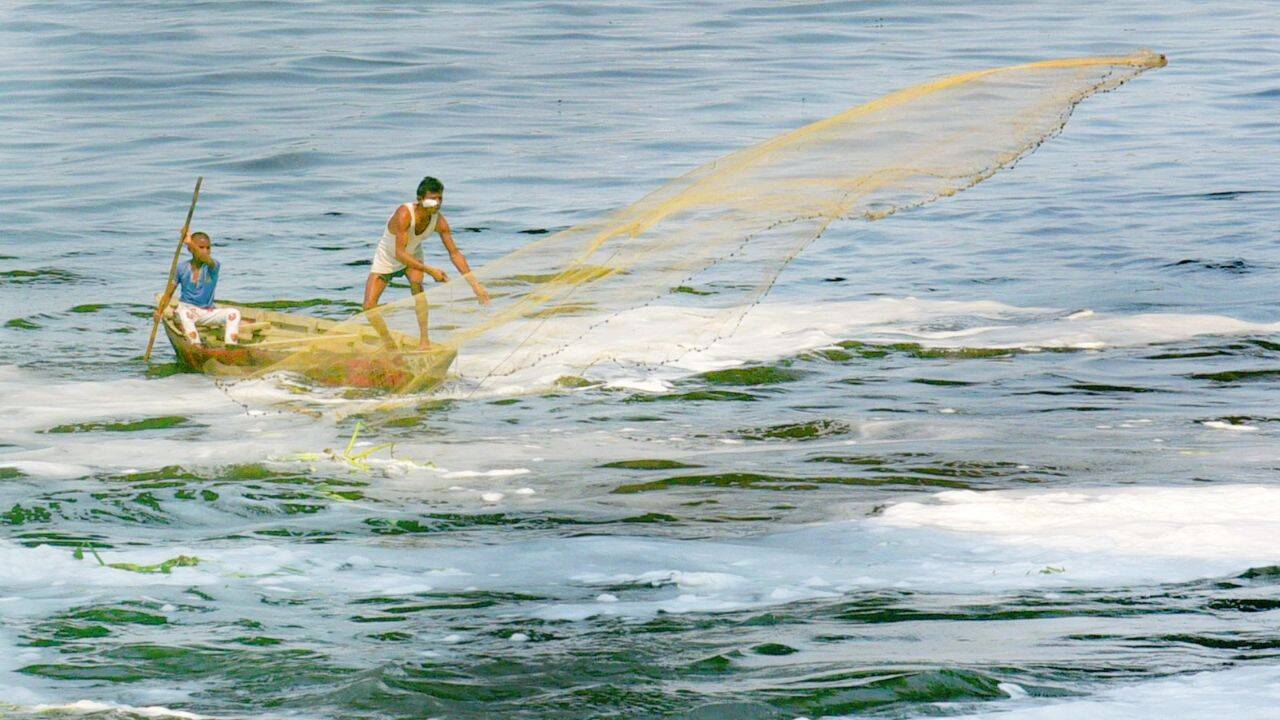
Scientists have made a disturbing discovery in the Yamuna River, finding microplastics in every fish species sampled. The study revealed that fish from the stretch of the river in Delhi showed significantly higher contamination than those from upstream Haryana.
The microplastics were not only found in the digestive tracts of the fish but also in their muscle tissues, indicating a widespread issue within the river's aquatic food chain. This contamination has serious implications for the ecosystem and human health, as people consume fish from the Yamuna River.
The presence of microplastics in fish is a cause for concern, as it can lead to the ingestion of toxic chemicals and harmful substances. When microplastics enter the food chain, they can be consumed by humans, potentially causing harm to their health.
The Yamuna River is a major source of water and food for millions of people in India, and the contamination of its fish population is a wake-up call for the need to reduce microplastic pollution. The river receives a large amount of plastic waste from various sources, including industrial and domestic effluent, agricultural runoff, and litter from human activities.
To address this issue, it is essential to reduce microplastic pollution from these sources. This can be achieved through a combination of measures, including improving waste management infrastructure, implementing policies to reduce plastic use, and promoting public awareness about the importance of proper waste disposal.
The discovery of microplastics in Yamuna fish is not an isolated issue, as similar contamination has been found in other water bodies around the world. However, it highlights the need for urgent action to protect the environment and human health.
The Indian government and other stakeholders must work together to develop and implement effective strategies to reduce microplastic pollution in the Yamuna River and other water bodies. This can involve collaborating with local communities, industries, and organizations to promote sustainable practices and reduce plastic waste.
In conclusion, the presence of microplastics in Yamuna fish is a serious issue that requires immediate attention and action. It is essential to address the root causes of microplastic pollution and work towards reducing the amount of plastic waste that enters the environment.
This will not only help to protect the ecosystem and human health but also contribute to a more sustainable future for India and the world.
The contamination of fish in the Yamuna River is a reminder that the health of our environment and the health of our population are closely linked, and it is our responsibility to take action to protect both.
Frequently asked questions
What are the implications of microplastics in fish for human health?
The presence of microplastics in fish can lead to the ingestion of toxic chemicals and harmful substances, potentially causing harm to human health.
How can microplastic pollution in the Yamuna River be reduced?
Microplastic pollution can be reduced through a combination of measures, including improving waste management infrastructure, implementing policies to reduce plastic use, and promoting public awareness about proper waste disposal.