J&K Screens Books For Anti-National Content
J&K reviews school books, opposition criticizes move, compliance reports due July 19


The Jammu and Kashmir administration has initiated a thorough review of books used in educational institutions to identify and remove any content deemed 'anti-national'. This move comes after certain books that referred to Kashmir as 'occupied territory' were withdrawn from circulation.
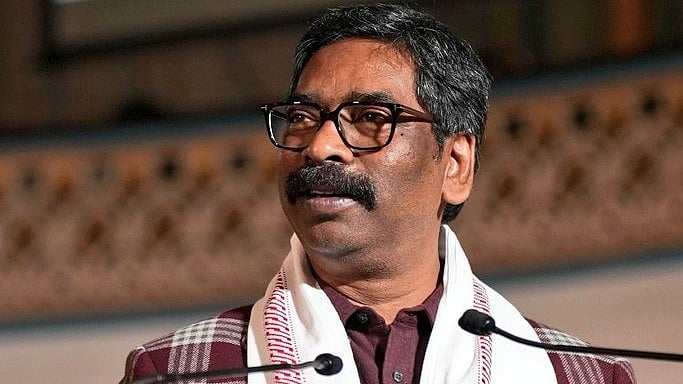
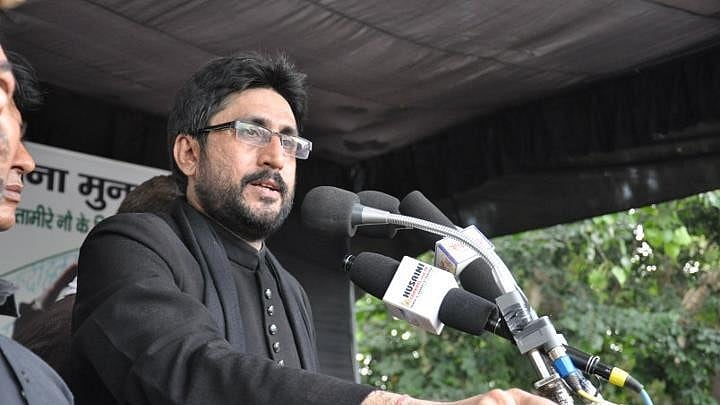
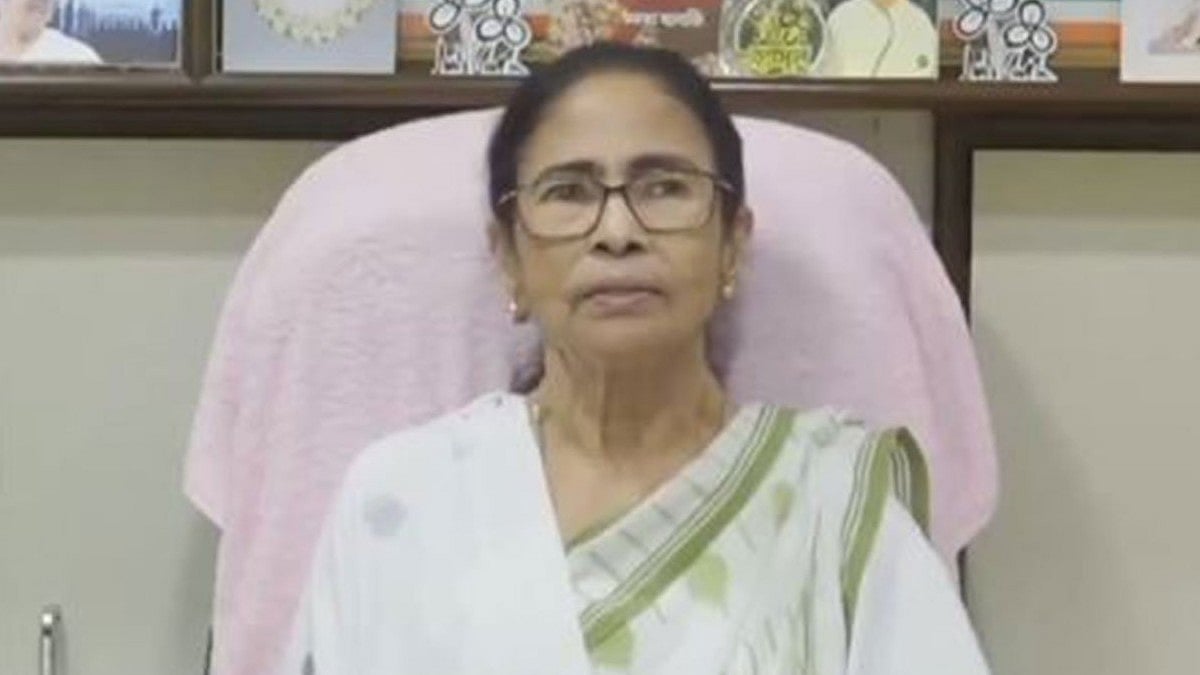
The decision has sparked criticism from political leaders, who view this as an attempt to manipulate and control the historical narrative. They argue that such actions undermine the freedom of expression and the right to access information.
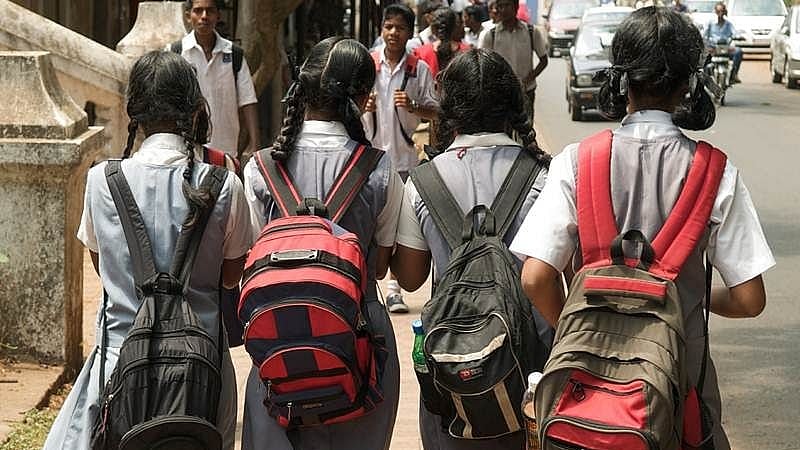
As part of this initiative, schools in Jammu and Kashmir have been directed to scrutinize their libraries and classrooms for any objectionable content. They are required to submit compliance reports by July 19, confirming that they have reviewed their book collections and removed any materials that may be considered anti-national.
A legal group has also intervened, seeking an inquiry into the controversial books that prompted this review. The group's move is seen as an attempt to ensure that the books in question are thoroughly examined and that any potentially harmful content is addressed.
The Jammu and Kashmir administration's decision to review school books is part of a broader effort to regulate the content of educational materials. This move is likely to be closely watched by educators, politicians, and civil society groups, who are concerned about the potential impact on freedom of expression and the quality of education in the region.
The review of books in Jammu and Kashmir's educational institutions is not an isolated incident. It is part of a larger debate about the role of education in shaping historical narratives and national identity. The controversy surrounding the withdrawn books has highlighted the complexities of this issue and the need for a nuanced approach to addressing sensitive topics in educational settings.
In recent years, there have been several instances of books being banned or withdrawn from circulation in India due to their content being deemed objectionable. These incidents have sparked debates about censorship, freedom of expression, and the role of the state in regulating educational materials.
The Jammu and Kashmir administration's move to review school books has significant implications for the region's educational system. It raises important questions about the balance between regulating content and ensuring that students have access to a wide range of perspectives and ideas.
As the deadline for compliance reports approaches, schools in Jammu and Kashmir are working to complete the review of their book collections. The outcome of this process will be closely watched, and its impact on the region's educational system will be carefully assessed.
In conclusion, the Jammu and Kashmir administration's decision to review school books for anti-national content is a complex issue with significant implications for the region's educational system and the broader debate about freedom of expression and historical narratives. The move has sparked criticism and concern among political leaders, educators, and civil society groups, who are watching the situation closely.
The review of books in Jammu and Kashmir's educational institutions is a reminder of the importance of ensuring that students have access to accurate and unbiased information. It also highlights the need for a nuanced approach to addressing sensitive topics in educational settings, one that balances the need to regulate content with the importance of promoting critical thinking and intellectual freedom.
The situation in Jammu and Kashmir will continue to evolve, and the outcome of the book review will have significant implications for the region's educational system. As the situation unfolds, it is essential to consider the potential impact on students, educators, and the broader community, and to ensure that any decisions made are in the best interests of promoting education, critical thinking, and intellectual freedom.
The Jammu and Kashmir administration's move to review school books is a significant development that will be closely watched in the coming weeks and months. The outcome of this process will have important implications for the region's educational system, and it will be essential to consider the potential impact on students, educators, and the broader community.
In the context of India's broader educational landscape, the review of books in Jammu and Kashmir's educational institutions is a reminder of the importance of ensuring that students have access to accurate and unbiased information. It highlights the need for a nuanced approach to addressing sensitive topics in educational settings, one that balances the need to regulate content with the importance of promoting critical thinking and intellectual freedom.
The situation in Jammu and Kashmir is a complex one, and the review of school books is just one aspect of a broader debate about education, historical narratives, and national identity. As the situation continues to evolve, it will be essential to consider the potential impact on students, educators, and the broader community, and to ensure that any decisions made are in the best interests of promoting education, critical thinking, and intellectual freedom.
What this means for India is that the debate about education, historical narratives, and national identity will continue to be an important one. The review of books in Jammu and Kashmir's educational institutions is a reminder of the need for a nuanced approach to addressing sensitive topics in educational settings, one that balances the need to regulate content with the importance of promoting critical thinking and intellectual freedom.
The outcome of this process will have significant implications for the region's educational system, and it will be essential to consider the potential impact on students, educators, and the broader community. As the situation unfolds, it is crucial to prioritize the promotion of education, critical thinking, and intellectual freedom, and to ensure that any decisions made are in the best interests of these values.
In conclusion, the review of books in Jammu and Kashmir's educational institutions is a complex issue with significant implications for the region's educational system and the broader debate about freedom of expression and historical narratives. The move has sparked criticism and concern among political leaders, educators, and civil society groups, who are watching the situation closely. The outcome of this process will be closely watched, and its impact on the region's educational system will be carefully assessed.