Mount Anak Krakatau Erupts, Disrupts Flights in Southeast Asia
Volcanic ash cloud forces Jakarta airport shutdown, flights cancelled and delayed
'%3E%3Crect%20width%3D'96'%20height%3D'96'%20fill%3D'%234A235A'%2F%3E%3Ccircle%20cx%3D'30'%20cy%3D'24'%20r%3D'44'%20fill%3D'%23fff'%20opacity%3D'.12'%2F%3E%3Ccircle%20cx%3D'60'%20cy%3D'74'%20r%3D'40'%20fill%3D'%23000'%20opacity%3D'.10'%2F%3E%3C%2Fg%3E%3Cg%20fill%3D'none'%20stroke%3D'%23fff'%20stroke-width%3D'3'%3E%3Ccircle%20cx%3D'48'%20cy%3D'48'%20r%3D'16'%2F%3E%3Cellipse%20cx%3D'48'%20cy%3D'48'%20rx%3D'6.5'%20ry%3D'16'%2F%3E%3Cline%20x1%3D'32'%20y1%3D'42'%20x2%3D'64'%20y2%3D'42'%2F%3E%3Cline%20x1%3D'32'%20y1%3D'54'%20x2%3D'64'%20y2%3D'54'%2F%3E%3C%2Fg%3E%3C%2Fsvg%3E)
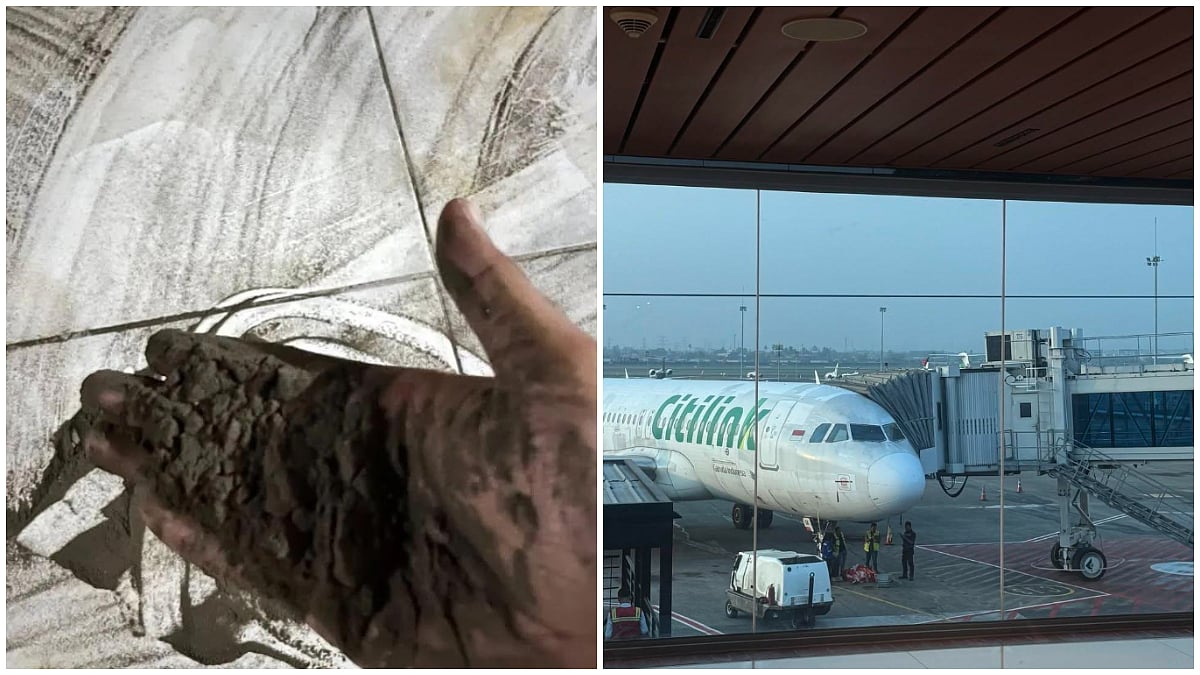
Mount Anak Krakatau in Indonesia erupted on Friday, September 4, spewing rocks and volcanic ash into the air. The intense explosive activity sent vast ash plumes towering up to 50,000 feet into the sky, disrupting air transit across Southeast Asia.
The resulting airborne hazard forced safety authorities to implement a temporary grounding of flight operations at Jakarta’s Soekarno-Hatta International Airport. The decision to halt operations was made after diagnostic runway sweeps confirmed dangerous accumulations of volcanic particulate matter.
The Indonesia’s Ministry of Transportation confirmed dozens of disrupted routes during the early hours, including 16 international cancellations and numerous delayed arrivals. Civil Aviation Director General Lukman F Laisa stated that safety protocols dictated the shutdown, as airborne volcanic glass poses catastrophic risks to aircraft jet engines and cockpit visibility.
Airlines operating in the region swiftly restructured their schedules to safeguard passengers. Garuda Indonesia and AirAsia, both low-cost carriers, announced widespread schedule adjustments, urging passengers bound for or departing Jakarta to check digital portals before travelling to terminals.
The airline has advised travellers to verify their flight statuses prior to departing for the airport. Passengers can connect with the Garuda Indonesia Contact Centre through dedicated telephone numbers for ongoing updates. Regional carriers have announced changes to their flight schedules, with multiple flight services operating to and from Jakarta cancelled or rescheduled.
The eruption of Mount Anak Krakatau has significant implications for air travel in Southeast Asia. The region is a major hub for international flights, and disruptions to air travel can have far-reaching consequences. The shutdown of Jakarta’s Soekarno-Hatta International Airport is a precautionary measure to ensure the safety of passengers and crew.
In recent years, the region has experienced several volcanic eruptions, highlighting the importance of robust safety protocols and emergency response plans. The Indonesian government and airlines have taken swift action to mitigate the impact of the eruption, but the situation remains volatile.
As the situation continues to unfold, passengers are advised to check with their airlines for the latest updates on flight schedules and cancellations. The Indonesian authorities are closely monitoring the situation and will provide updates as necessary.
The eruption of Mount Anak Krakatau is a reminder of the importance of prioritizing safety in air travel. The region's airlines and authorities have taken proactive steps to minimize the impact of the eruption, but the situation highlights the need for continued vigilance and cooperation.
In conclusion, the eruption of Mount Anak Krakatau has disrupted air travel in Southeast Asia, with flights cancelled and delayed due to the volcanic ash cloud. The Indonesian authorities and airlines have taken swift action to ensure the safety of passengers and crew, and the situation continues to be closely monitored.
Frequently asked questions
What is the current status of flights in Southeast Asia due to the Mount Anak Krakatau eruption?
Flights have been disrupted, with several cancellations and delays reported. Passengers are advised to check with their airlines for the latest updates.
Why was the Jakarta airport shutdown due to the eruption?
The shutdown was due to safety concerns, as the volcanic ash cloud posed a risk to aircraft jet engines and cockpit visibility.