India Faces US Textile Tariff Pressure
India's textile sector still worried despite lower US tariff, competitors get exemptions
'%3E%3Crect%20width%3D'96'%20height%3D'96'%20fill%3D'%234A235A'%2F%3E%3Ccircle%20cx%3D'30'%20cy%3D'24'%20r%3D'44'%20fill%3D'%23fff'%20opacity%3D'.12'%2F%3E%3Ccircle%20cx%3D'60'%20cy%3D'74'%20r%3D'40'%20fill%3D'%23000'%20opacity%3D'.10'%2F%3E%3C%2Fg%3E%3Cg%20fill%3D'none'%20stroke%3D'%23fff'%20stroke-width%3D'3'%3E%3Ccircle%20cx%3D'48'%20cy%3D'48'%20r%3D'16'%2F%3E%3Cellipse%20cx%3D'48'%20cy%3D'48'%20rx%3D'6.5'%20ry%3D'16'%2F%3E%3Cline%20x1%3D'32'%20y1%3D'42'%20x2%3D'64'%20y2%3D'42'%2F%3E%3Cline%20x1%3D'32'%20y1%3D'54'%20x2%3D'64'%20y2%3D'54'%2F%3E%3C%2Fg%3E%3C%2Fsvg%3E)
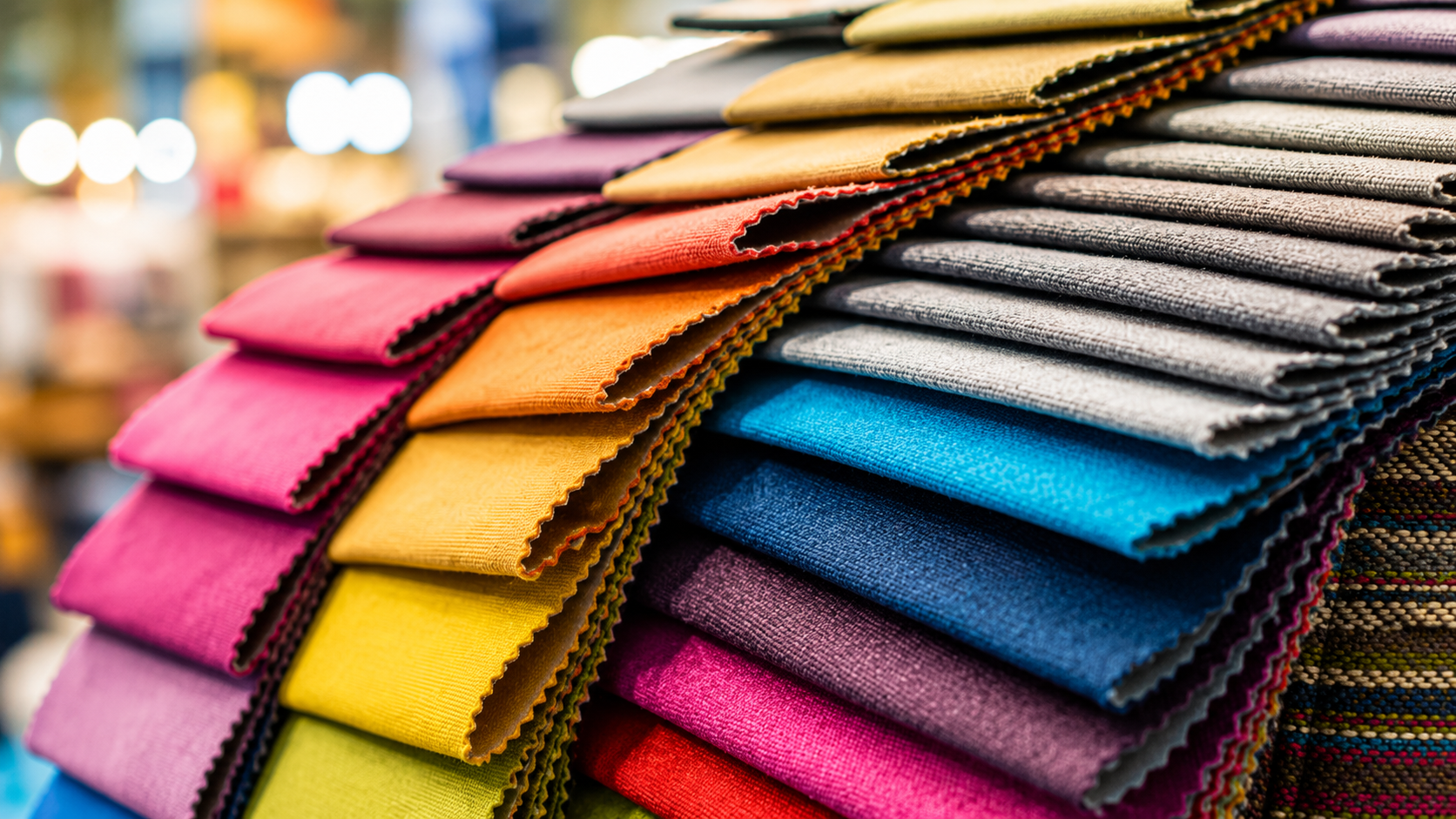
India's textile sector is facing pressure in the US market due to a 10% tariff rate. Although this rate is lower than what some other countries face, Indian textile exporters are still worried about their competitiveness.
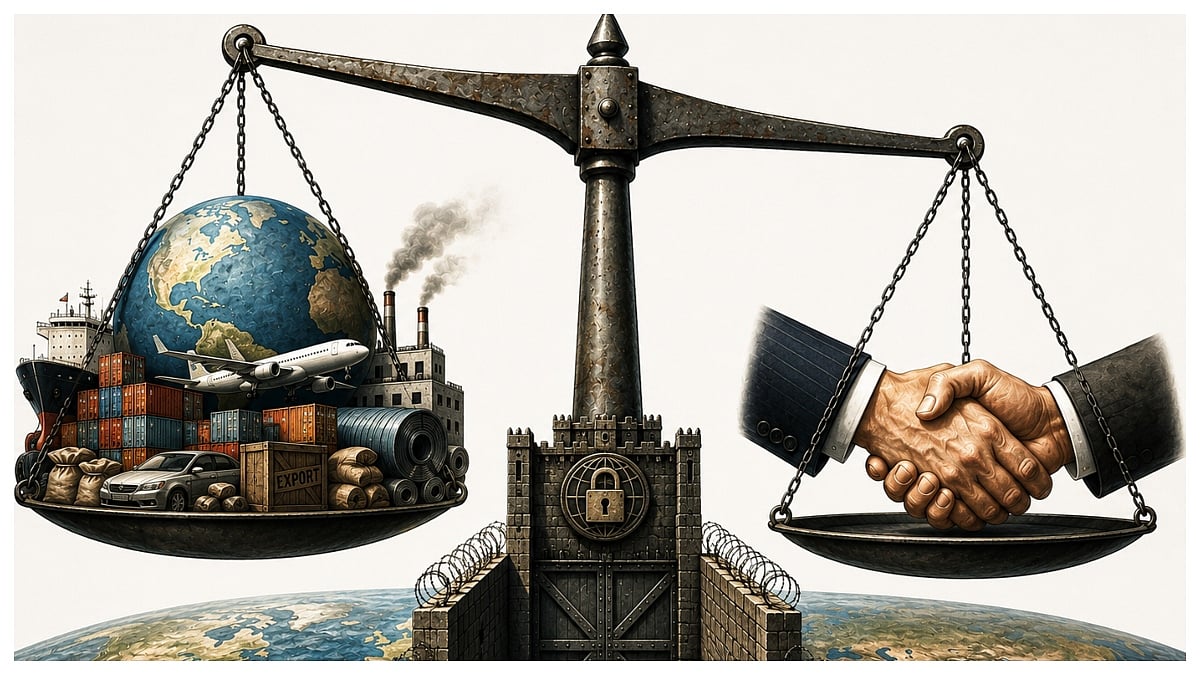
The main reason for this concern is that several of India's competitors have received tariff-rate quota exemptions, which allow them to export textiles to the US at a lower or zero tariff rate. India, however, missed out on these exemptions, putting its textile exporters at a disadvantage.
The absence of these exemptions weakens India's overall competitiveness against rival nations, such as Vietnam and Bangladesh, which have secured favorable trade terms with the US. As a result, Indian textile exporters are finding it challenging to compete with their counterparts from these countries.
Despite this, India remains a relative beneficiary of the revised US tariff framework. The country's textile sector has been able to maintain its market share in the US, albeit with reduced profits due to the tariff pressure.
However, there are concerns that future investigations by the US authorities could expose India to additional tariffs, which would further erode the competitiveness of its textile sector. To mitigate this risk, India may need to negotiate trade deals with the US to secure more favorable terms for its textile exporters.
The US market is a significant destination for Indian textile exports, and any disruption to this trade could have far-reaching consequences for the sector. The Indian government has been trying to negotiate a trade deal with the US to address these concerns and secure better market access for its textile exporters.
In the meantime, Indian textile exporters are exploring alternative markets and diversifying their product offerings to reduce their dependence on the US market. This strategy is aimed at minimizing the impact of the tariff pressure and ensuring the long-term sustainability of the sector.
The textile sector is a significant contributor to India's economy, and any adverse impact on this sector could have broader implications for the country's trade balance and economic growth. Therefore, it is essential for the Indian government to negotiate a favorable trade deal with the US to support the growth and competitiveness of its textile sector.
In conclusion, while India has secured a lower US tariff rate, its textile sector still faces significant challenges due to the absence of tariff-rate quota exemptions. The sector's competitiveness is under pressure, and future investigations could lead to additional tariffs. To address these concerns, India needs to negotiate a trade deal with the US and explore alternative markets to reduce its dependence on the US market.
Frequently asked questions
What is the current US tariff rate on Indian textiles?
The current US tariff rate on Indian textiles is 10%.
Why are Indian textile exporters still worried despite the lower tariff rate?
Indian textile exporters are still worried because their competitors have received tariff-rate quota exemptions, which puts India's textile sector at a disadvantage.