Nanoplastics Aid Harmful Bacteria In Water
Tiny plastics in water help bacteria thrive, resist disinfection. This poses a threat to clean drinking water.
'%3E%3Crect%20width%3D'96'%20height%3D'96'%20fill%3D'%23B3261E'%2F%3E%3Ccircle%20cx%3D'30'%20cy%3D'24'%20r%3D'44'%20fill%3D'%23fff'%20opacity%3D'.12'%2F%3E%3Ccircle%20cx%3D'60'%20cy%3D'74'%20r%3D'40'%20fill%3D'%23000'%20opacity%3D'.10'%2F%3E%3C%2Fg%3E%3Cg%20fill%3D'%23fff'%3E%3Crect%20x%3D'29'%20y%3D'49'%20width%3D'8'%20height%3D'19'%20rx%3D'1'%2F%3E%3Crect%20x%3D'39'%20y%3D'40'%20width%3D'9'%20height%3D'28'%20rx%3D'1'%2F%3E%3Crect%20x%3D'50'%20y%3D'45'%20width%3D'8'%20height%3D'23'%20rx%3D'1'%2F%3E%3Crect%20x%3D'60'%20y%3D'53'%20width%3D'7'%20height%3D'15'%20rx%3D'1'%2F%3E%3Crect%20x%3D'41'%20y%3D'34'%20width%3D'5'%20height%3D'6'%2F%3E%3C%2Fg%3E%3C%2Fsvg%3E)
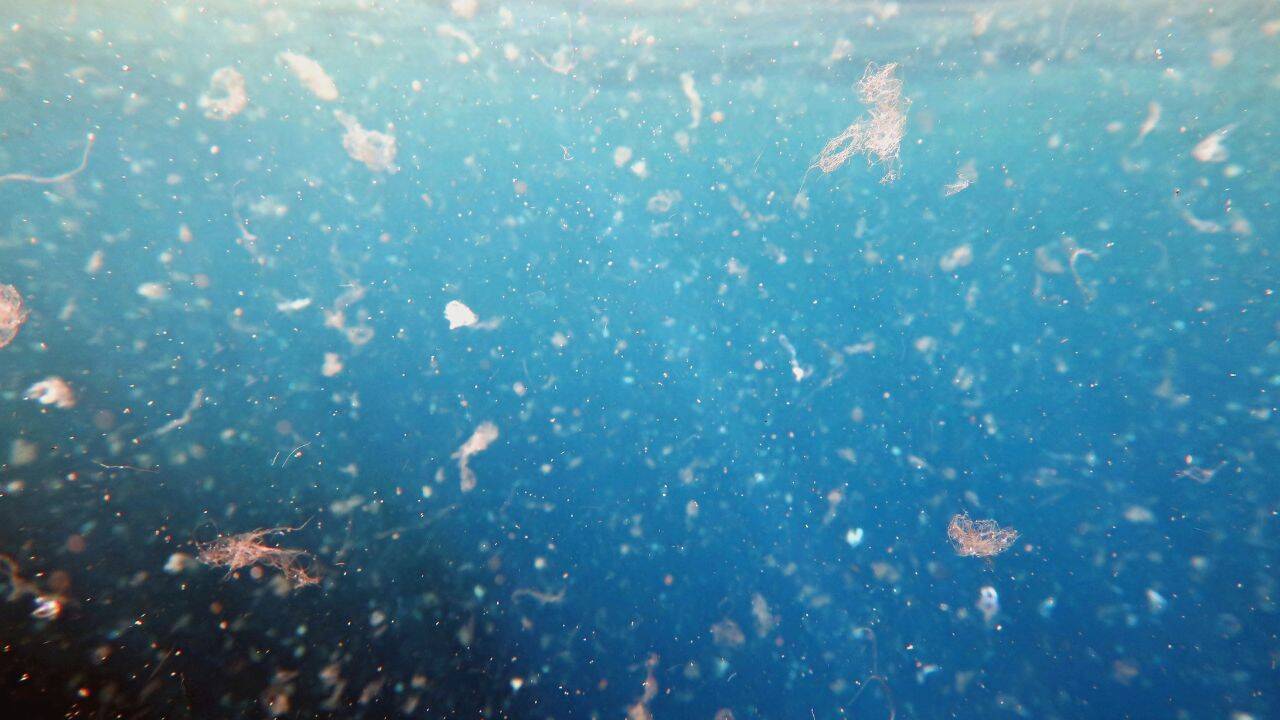
Researchers have made a disturbing discovery about the impact of tiny plastics on drinking water. A new study reveals that nanoplastics can strengthen harmful bacterial biofilms in water systems, making it more challenging to maintain clean drinking water infrastructure.
The study found that these tiny plastic particles help microbes survive disinfection treatments more effectively. This is a significant concern, as the presence of nanoplastics may contribute to the rise of antibiotic-resistant bacteria. The interactions between nanoplastics and bacteria are complex, and understanding them is crucial for public health and water management efforts.
Nanoplastics are tiny plastic particles that are less than 1 micrometer in size. They can come from a variety of sources, including plastic debris, microbeads, and synthetic fibers. Once in the water system, they can interact with bacteria and other microorganisms, potentially altering their behavior and survival.
The researchers found that nanoplastics can provide a protective environment for bacteria to grow and thrive. This can lead to the formation of biofilms, which are complex communities of microorganisms that adhere to surfaces. Biofilms can be notoriously difficult to remove, and their presence can compromise the quality of drinking water.
The discovery has significant implications for water management and public health. It highlights the need for more effective strategies to remove nanoplastics from water systems and to develop new disinfection methods that can target bacteria that are resistant to traditional treatments.
In recent years, there has been growing concern about the impact of plastic pollution on the environment and human health. The discovery of nanoplastics in drinking water is a reminder that the problem of plastic pollution is far more complex and widespread than previously thought.
The study's findings also underscore the importance of addressing the root causes of plastic pollution. This includes reducing plastic waste, increasing recycling, and developing more sustainable materials. By taking a comprehensive approach to addressing plastic pollution, we can help to mitigate its impacts on the environment and human health.
In the context of India, where access to clean drinking water is a significant challenge, the discovery of nanoplastics in drinking water is particularly concerning. The country has made significant progress in recent years in improving access to clean drinking water, but more needs to be done to address the issue of plastic pollution.
Overall, the study's findings are a reminder that the issue of plastic pollution is complex and multifaceted. It requires a comprehensive approach that addresses the root causes of the problem and develops effective strategies for removing nanoplastics from water systems. By working together, we can help to ensure that everyone has access to clean and safe drinking water.
The implications of this discovery are far-reaching, and it is essential to continue researching the effects of nanoplastics on drinking water. As the world grapples with the challenges of plastic pollution, it is crucial to prioritize the development of effective solutions to this growing problem. By doing so, we can help to protect public health and ensure that everyone has access to clean and safe drinking water.
In conclusion, the discovery of nanoplastics in drinking water is a significant concern that requires immediate attention. It highlights the need for more effective strategies to remove nanoplastics from water systems and to develop new disinfection methods that can target bacteria that are resistant to traditional treatments. By working together, we can help to mitigate the impacts of plastic pollution and ensure that everyone has access to clean and safe drinking water.
The study's findings have significant implications for Mumbai, where access to clean drinking water is a significant challenge. The city's water supply system is complex, and the presence of nanoplastics in drinking water poses a significant threat to public health. It is essential for the city's authorities to take immediate action to address this issue and develop effective strategies for removing nanoplastics from the water supply system.
In the end, the discovery of nanoplastics in drinking water is a reminder that the issue of plastic pollution is complex and multifaceted. It requires a comprehensive approach that addresses the root causes of the problem and develops effective strategies for removing nanoplastics from water systems. By working together, we can help to ensure that everyone has access to clean and safe drinking water, and mitigate the impacts of plastic pollution on the environment and human health.
What this means for Mumbai and India is that there is a need for increased awareness and action to address the issue of plastic pollution. The city's authorities must work to develop effective strategies for removing nanoplastics from the water supply system, and the country must prioritize the development of sustainable materials and reduce plastic waste. By doing so, we can help to protect public health and ensure that everyone has access to clean and safe drinking water.