Billionaire Avoids Taxes On Superyacht
A billionaire used a superyacht to avoid taxes. He spent half the year on it.
'%3E%3Crect%20width%3D'96'%20height%3D'96'%20fill%3D'%23B3261E'%2F%3E%3Ccircle%20cx%3D'30'%20cy%3D'24'%20r%3D'44'%20fill%3D'%23fff'%20opacity%3D'.12'%2F%3E%3Ccircle%20cx%3D'60'%20cy%3D'74'%20r%3D'40'%20fill%3D'%23000'%20opacity%3D'.10'%2F%3E%3C%2Fg%3E%3Cg%20fill%3D'%23fff'%3E%3Crect%20x%3D'29'%20y%3D'49'%20width%3D'8'%20height%3D'19'%20rx%3D'1'%2F%3E%3Crect%20x%3D'39'%20y%3D'40'%20width%3D'9'%20height%3D'28'%20rx%3D'1'%2F%3E%3Crect%20x%3D'50'%20y%3D'45'%20width%3D'8'%20height%3D'23'%20rx%3D'1'%2F%3E%3Crect%20x%3D'60'%20y%3D'53'%20width%3D'7'%20height%3D'15'%20rx%3D'1'%2F%3E%3Crect%20x%3D'41'%20y%3D'34'%20width%3D'5'%20height%3D'6'%2F%3E%3C%2Fg%3E%3C%2Fsvg%3E)
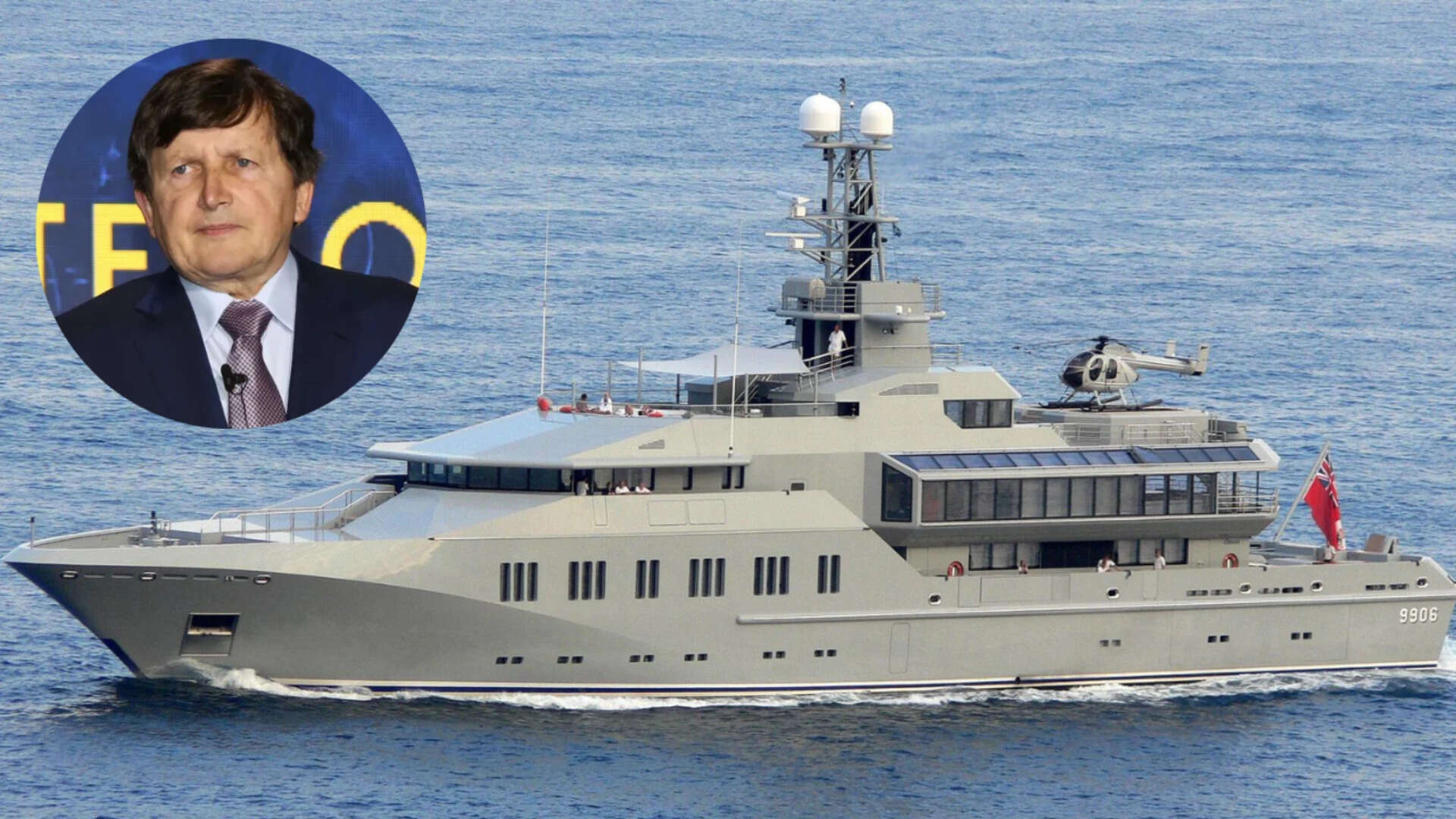
A billionaire has been using a superyacht to avoid paying property taxes. Charles Simonyi, a Microsoft engineer, spent half the year on his bespoke superyacht to circumvent local taxation and construction regulations.
Simonyi's strategy allowed him to travel the world while avoiding substantial property tax liabilities. As a pioneer in digital technology and space tourism, he has been at the forefront of innovative thinking. His use of a superyacht as a mobile abode predates current discussions on wealth taxation in high-tax regions.
Simonyi's career has been marked by notable achievements, including his work at Microsoft and his involvement in space tourism. His decision to use a superyacht to avoid taxes is a testament to his resourceful nature. The billionaire eventually acquired an even grander superyacht, further enhancing his aquatic adventures.
The use of superyachts to avoid taxes is not a new phenomenon, but Simonyi's case highlights the creative ways in which wealthy individuals can exploit loopholes in the system. As governments around the world grapple with the issue of wealth taxation, stories like Simonyi's are likely to garner significant attention.
Simonyi's superyacht is a bespoke vessel, designed to meet his specific needs and preferences. The fact that he spent half the year on it suggests that he has been able to successfully use it as a mobile abode, allowing him to avoid the taxes and regulations associated with traditional property ownership.
The billionaire's love of superyachts is evident in his decision to acquire an even grander vessel. This new superyacht has enabled him to further enhance his aquatic adventures, and it is likely that he will continue to use it to avoid taxes and regulations.
The issue of wealth taxation is a complex one, and stories like Simonyi's highlight the need for governments to rethink their approach to taxing the wealthy. As the global economy continues to evolve, it is likely that we will see more creative attempts to avoid taxes and regulations.
In conclusion, Charles Simonyi's use of a superyacht to avoid property taxes is a notable example of the creative ways in which wealthy individuals can exploit loopholes in the system. His story highlights the need for governments to rethink their approach to wealth taxation and to consider the ways in which the wealthy can use mobile abodes like superyachts to avoid taxes and regulations.
The significance of Simonyi's story extends beyond his individual circumstances, as it sheds light on the broader issue of wealth taxation and the ways in which the wealthy can use creative strategies to avoid paying their fair share. As the world continues to grapple with issues of economic inequality and tax fairness, stories like Simonyi's are likely to remain relevant and timely.