Sudha Bhardwaj Denies NIA Allegations
Activist Sudha Bhardwaj claims NIA allegations are false, demands evidence.

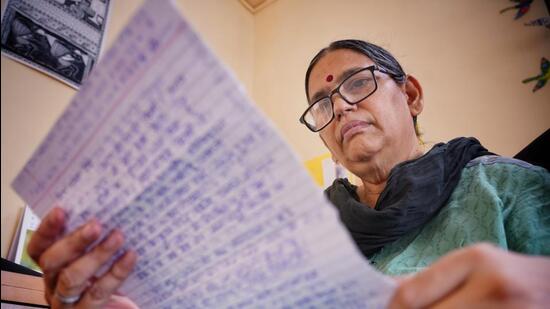
Sudha Bhardwaj, an activist, has denied allegations made by the National Investigation Agency (NIA) in a special court. The allegations pertain to a gathering at the Mumbai Press Club on January 19, which the NIA claims was convened to propagate the ideology of the banned CPI (Maoist) and further the 'Urban Naxal' movement.
Bhardwaj has termed these allegations as 'wholly false and malicious'. She has also stated that the NIA has not supplied her with any documents or evidence to support these claims. This development is significant, as it highlights the ongoing tensions between the NIA and activists accused of being involved in the 'Urban Naxal' movement.
The 'Urban Naxal' movement refers to the alleged infiltration of Maoist ideology into urban areas. The NIA has been investigating several activists and academics, including Bhardwaj, for their alleged involvement in this movement. The agency's allegations have been met with widespread criticism, with many accusing it of attempting to stifle dissent and silence opposition voices.
Bhardwaj's denial of the allegations is the latest development in a long-running saga. The case has sparked intense debate and discussion, with many questioning the NIA's motives and methods. The lack of evidence to support the allegations has also raised concerns about the agency's credibility and the fairness of the investigation.
The Mumbai Press Club gathering, which is at the center of the controversy, was reportedly a public event that discussed various social and political issues. Bhardwaj has maintained that the event was not related to the CPI (Maoist) or the 'Urban Naxal' movement, and that the NIA's allegations are baseless and malicious.
The special court is expected to hear the case further, and Bhardwaj's denial of the allegations is likely to be a key aspect of the proceedings. The outcome of the case will have significant implications for the accused, as well as for the broader debate about freedom of speech and dissent in India.
The 'Urban Naxal' movement has been a topic of intense discussion and debate in recent years. While some have accused the movement of promoting violence and extremism, others have argued that it is a legitimate form of dissent and activism. The NIA's investigation and allegations have added fuel to the fire, with many accusing the agency of attempting to crush opposition voices and stifle dissent.
In conclusion, Sudha Bhardwaj's denial of the NIA's allegations is a significant development in the ongoing case. The lack of evidence to support the allegations has raised concerns about the agency's credibility and the fairness of the investigation. As the case continues to unfold, it is likely to have significant implications for the accused, as well as for the broader debate about freedom of speech and dissent in India.