India Navy Commissions INS Mahendragiri
India's naval expansion gains momentum, self-reliance key to 200-ship fleet goal.

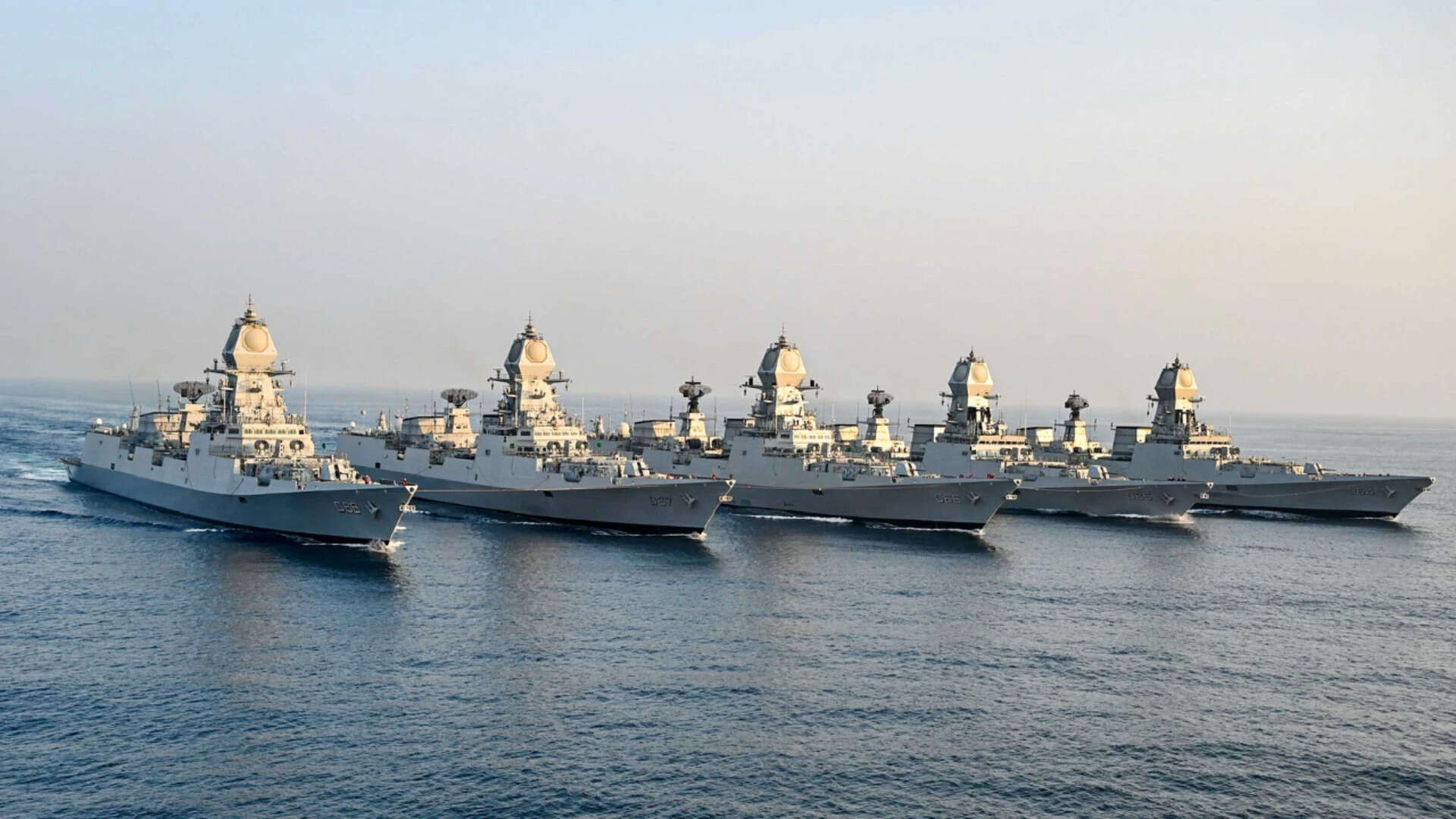
The Indian Navy has achieved a significant milestone with the commissioning of INS Mahendragiri, marking a major step towards its ambitious goal of a 200-ship fleet by 2035. This expansion is driven by the principle of self-reliance, with indigenous design and construction at its core.
The navy's strategic plan involves enhancing its capabilities across float, move, and fight systems, ensuring a robust and multi-domain operational force. This enhancement is crucial for securing India's maritime trade and projecting regional stability.
The commissioning of INS Mahendragiri is a testament to India's growing capabilities in naval shipbuilding and its commitment to achieving the goal of an atmanirbhar Navy. The Indian Navy's vision for the future includes investing in new technologies that support its transformation into a multi-domain force.
India's maritime security is of paramount importance, given the country's extensive coastline and significant dependence on sea trade. The Indian Navy plays a vital role in safeguarding these interests and contributing to regional stability.
The goal of a 200-ship fleet by 2035 is ambitious and requires sustained efforts in indigenous shipbuilding, technology absorption, and human resource development. The Indian Navy has been working tirelessly to achieve this goal, with a focus on self-reliance and indigenization.
The commissioning of INS Mahendragiri is a significant step in this journey, demonstrating India's capabilities in designing and constructing complex warships. This milestone also underscores the importance of public-private partnerships in achieving the navy's modernization goals.
As the Indian Navy continues on its path to becoming a 200-ship fleet, it is likely to have a significant impact on the country's maritime security and regional influence. The navy's emphasis on self-reliance and indigenization is expected to drive growth in the domestic defense industry, creating new opportunities for Indian shipbuilders and technology providers.
In conclusion, the commissioning of INS Mahendragiri marks an important milestone in the Indian Navy's journey towards a 200-ship fleet. With its focus on self-reliance, indigenous design, and construction, the navy is well on its way to achieving its ambitious goals and securing India's maritime interests.
The Indian Navy's expansion plans are closely aligned with the government's vision for a strong and self-reliant India. As the navy continues to grow and modernize, it is expected to play an increasingly important role in shaping the country's maritime security and regional stability.
This development is significant for India, as it underscores the country's commitment to enhancing its naval capabilities and securing its maritime interests. The commissioning of INS Mahendragiri is a major step forward in this direction, and it is likely to have a lasting impact on the country's maritime security and regional influence.