Khamenei buried with 14-month-old granddaughter killed in Israeli strike
Iran's Supreme Leader Ali Khamenei was laid to rest in Tehran alongside his toddler granddaughter, who died in an Israeli airstrike. The multi-day funeral honours the family and draws thousands of mourners.

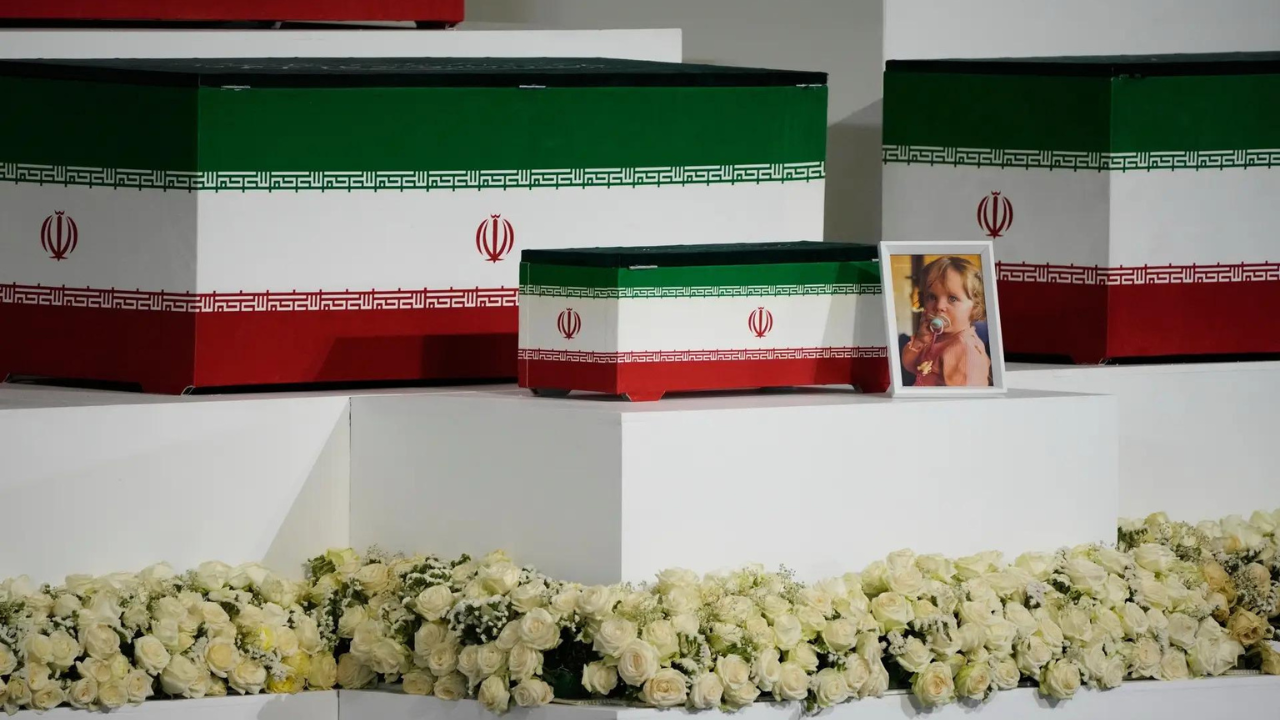
Iran held elaborate funeral ceremonies in Tehran this week to mourn Supreme Leader Ali Khamenei, with his coffin placed beside that of his 14-month-old granddaughter, who was killed during an Israeli airstrike. The symbolic placement underscored the personal toll of regional conflict on Iran's highest-ranking leader.
Thousands of Iranians gathered in the capital to pay their respects, participating in traditional prayer services and funeral rites observed across Iranian culture. Khamenei's family members, including his son-in-law and daughter, were also honoured during the ceremonies. The funeral arrangements reflected both the formal state protocols accorded to a supreme leader and the intimate family tragedy that marked his final days.
The toddler's death in the Israeli operation brought an unexpected dimension to the state funeral, drawing attention to civilian casualties in the ongoing regional tensions. Khamenei had held Iran's top position for decades, wielding significant influence over the nation's military and political decisions. His death marks a major transition for the Iranian leadership structure and the broader geopolitical landscape of the Middle East.
The funeral procession is expected to extend over several days and will traverse multiple locations, with ceremonies planned to continue into neighbouring Iraq. This extended timeline allows Iranian officials and international delegations to participate in honouring the deceased leader. The funeral's scale and duration underscore Khamenei's standing within Iran's political hierarchy and his importance to the nation's governance.
The simultaneous mourning of the granddaughter has sparked significant emotional response among Iranians, highlighting the human costs of military conflicts in the region. Officials have used the ceremonies to reaffirm Iran's resolve and unity during a period of leadership transition. The succession process will be closely watched by regional observers and international analysts seeking to understand Iran's future direction and potential policy shifts.