Tejas Nandakumar Barred from CWG 2026
Indian record holder Tejas Nandakumar ruled out of CWG 2026, eligibility issues cited.

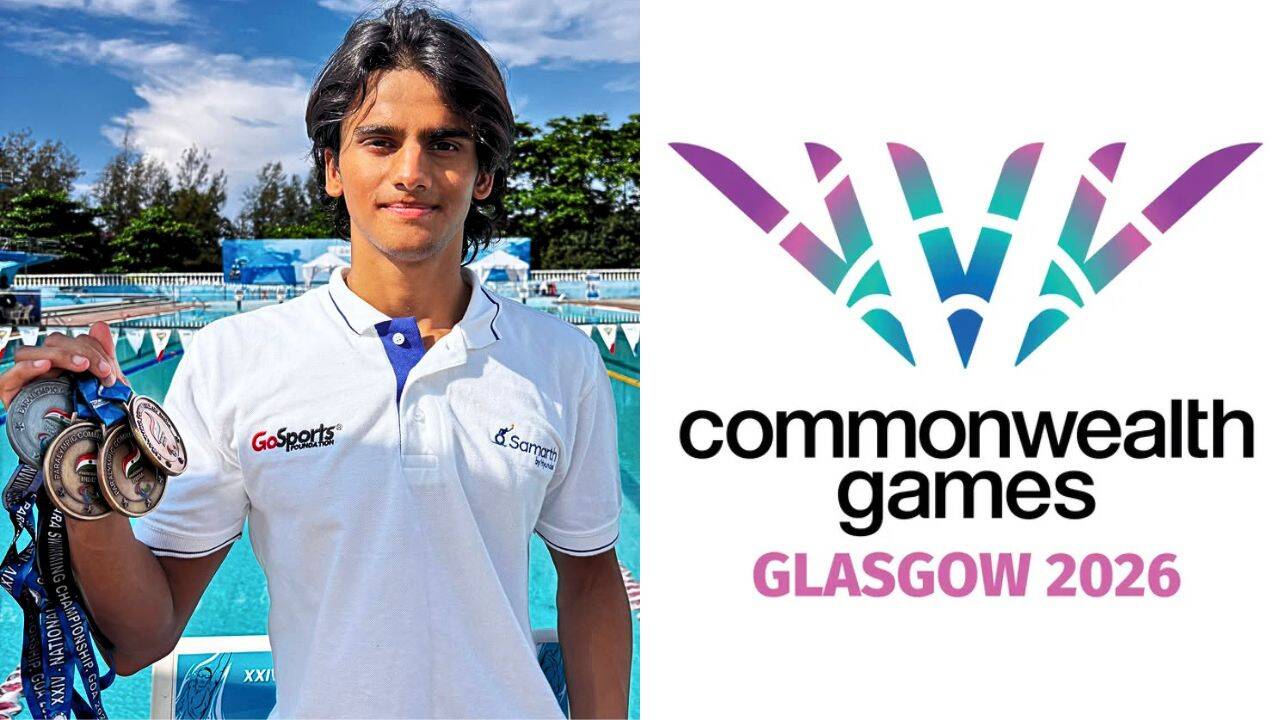
India's national record holder Tejas Nandakumar has been barred from participating in the 2026 Commonwealth Games. The 20-year-old athlete, who had qualified for the event, was ruled out due to his para sport classification not meeting the eligibility requirements.
Nandakumar expressed his disappointment and devastation at being unable to participate in the Games. He had incurred significant personal expenses and traveled internationally for months in preparation for the event. Despite his efforts, administrative delays ultimately led to his disqualification.
The athlete's situation highlights the need for systemic reforms to prevent similar incidents from occurring in the future. Nandakumar's experience serves as a reminder of the challenges faced by para athletes in India. The country's sports administration will need to re-examine its processes to ensure that eligible athletes are not unfairly disqualified from participating in major international events.
Nandakumar's achievements in the sporting world are notable, having set national records in his category. His exclusion from the CWG 2026 is a significant setback, not only for him but also for the country's para sports community. The incident has sparked concerns about the efficiency and effectiveness of India's sports administration system.
The Commonwealth Games are a prestigious international multi-sport event, and participation in it is a significant honor for athletes. The CWG 2026, scheduled to take place in Glasgow, will feature athletes from across the Commonwealth, competing in various sports disciplines. Nandakumar's absence from the event will be deeply felt, and his story serves as a reminder of the importance of fair play and equal opportunities in sports.
The para sports community in India has been growing, with an increasing number of athletes making a mark in international events. However, the community still faces significant challenges, including inadequate infrastructure, lack of funding, and bureaucratic hurdles. Nandakumar's experience highlights the need for greater support and resources to be allocated to para sports in India.
In recent years, India has made significant strides in promoting sports and providing opportunities for athletes to excel. However, incidents like Nandakumar's disqualification from the CWG 2026 underscore the need for continued reforms and improvements in the country's sports administration system.
The incident has sparked a wider debate about the need for greater transparency and accountability in India's sports administration. Athletes, coaches, and sports administrators are calling for reforms to prevent similar incidents from occurring in the future. The story of Tejas Nandakumar serves as a reminder of the importance of fair play, equal opportunities, and efficient administration in sports.
The exclusion of Tejas Nandakumar from the CWG 2026 is a significant setback for Indian sports. However, it also presents an opportunity for the country's sports administration to re-examine its processes and implement reforms to prevent similar incidents from occurring in the future. As India continues to grow and develop its sports ecosystem, it is essential that the country's sports administration prioritizes fairness, transparency, and equal opportunities for all athletes.
In conclusion, the story of Tejas Nandakumar is a reminder of the challenges faced by para athletes in India. His exclusion from the CWG 2026 highlights the need for systemic reforms and greater support for para sports in the country. As India looks to the future, it is essential that the country's sports administration prioritizes the needs of its athletes and works towards creating a more inclusive and equitable sports ecosystem.