DAVV's New AI MBA Course Misses First CUET Counselling
DAVV's integrated MBA in AI excluded from first CUET-UG counselling, students to wait for second round.
'%3E%3Crect%20width%3D'96'%20height%3D'96'%20fill%3D'%23B3261E'%2F%3E%3Ccircle%20cx%3D'30'%20cy%3D'24'%20r%3D'44'%20fill%3D'%23fff'%20opacity%3D'.12'%2F%3E%3Ccircle%20cx%3D'60'%20cy%3D'74'%20r%3D'40'%20fill%3D'%23000'%20opacity%3D'.10'%2F%3E%3C%2Fg%3E%3Cg%20fill%3D'%23fff'%3E%3Crect%20x%3D'29'%20y%3D'49'%20width%3D'8'%20height%3D'19'%20rx%3D'1'%2F%3E%3Crect%20x%3D'39'%20y%3D'40'%20width%3D'9'%20height%3D'28'%20rx%3D'1'%2F%3E%3Crect%20x%3D'50'%20y%3D'45'%20width%3D'8'%20height%3D'23'%20rx%3D'1'%2F%3E%3Crect%20x%3D'60'%20y%3D'53'%20width%3D'7'%20height%3D'15'%20rx%3D'1'%2F%3E%3Crect%20x%3D'41'%20y%3D'34'%20width%3D'5'%20height%3D'6'%2F%3E%3C%2Fg%3E%3C%2Fsvg%3E)
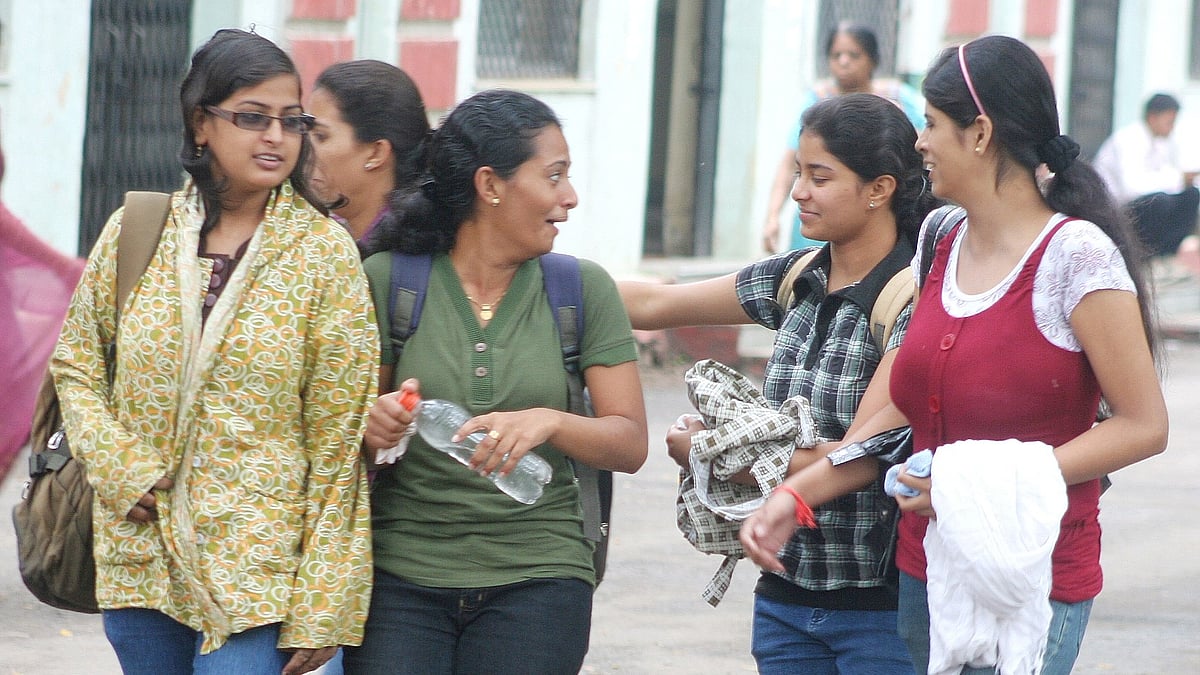
A new five-year integrated MBA in Artificial Intelligence (AI) at Devi Ahilya Vishwavidyalaya (DAVV) has been excluded from the first round of CUET-UG counselling due to objections raised by the International Institute of Professional Studies (IIPS).
The course, which was recently approved by vice-chancellor Prof Rakesh Singhai, was not included in the first phase of counselling as the approval came after the university had submitted its list of courses to the National Testing Agency (NTA).
The controversy surrounding the new programme began when the Institute of Management Studies (IMS) proposed the launch of the integrated MBA in AI programme nearly six months ago. IIPS objected to the proposal, arguing that it had been successfully running a similar programme for several years and introducing a new one would divide student enrolment and create unnecessary duplication.
Following the objections, the university suggested modifications to the proposal, but IMS renewed its demand in June, seeking approval for a 120-seat programme. The VC approved the proposal, triggering fresh objections from IIPS, which argued that approving a new course after the admission process had begun would adversely affect admissions to its existing programme.
As a result, the VC directed that the new MBA in AI course be included only from the second phase of CUET UG counselling. This decision may lead to objections from students, as the first phase of CUET UG choice filling closes on July 20 and does not offer the new programme as an option.
Students interested in the course will now have to wait until the second counselling round. IMS director Prof Deepak Shrivastava confirmed that the programme has received approval and said the institute will soon issue an admission advertisement for eligible candidates to opt for the course during the second phase of counselling.
IIPS director Prof Yamini Karmarkar maintained that the university should avoid introducing duplicate programmes, citing the success of IIPS's integrated MBA (MS) course. In a separate development, DAVV has merged 10 teaching departments on its UTD campus into five, citing the need for better utilisation of resources and improved academic quality.
The merger is part of the university's efforts to restructure and improve its academic offerings. The exclusion of the new AI MBA course from the first round of counselling may cause inconvenience to students, but the university's decision to include it in the second phase of counselling provides an opportunity for students to opt for the programme.
The development highlights the importance of careful planning and coordination in the introduction of new academic programmes, ensuring that they do not adversely affect existing courses or create unnecessary duplication.
In the context of India's growing focus on artificial intelligence and technology, the introduction of the new MBA in AI programme at DAVV is a significant development, providing students with opportunities to acquire skills and knowledge in this emerging field.
The programme's exclusion from the first round of counselling may be a setback, but it is expected to attract interest from students in the second phase of counselling, given the growing demand for AI and technology-related courses in India.
The university's decision to merge its teaching departments is also a significant step towards improving academic quality and utilisation of resources, and is expected to have a positive impact on the overall academic environment at DAVV.
In conclusion, the introduction of the new AI MBA programme at DAVV is a significant development, and its exclusion from the first round of counselling is a temporary setback. The programme is expected to attract interest from students in the second phase of counselling, and the university's efforts to restructure and improve its academic offerings are a positive step towards providing high-quality education to its students.