Niger Farmers Regrow 200 Million Trees
Niger's dry land transformed, 200 million trees regrown. Farmers' simple technique improves food security.
'%3E%3Crect%20width%3D'96'%20height%3D'96'%20fill%3D'%23B3261E'%2F%3E%3Ccircle%20cx%3D'30'%20cy%3D'24'%20r%3D'44'%20fill%3D'%23fff'%20opacity%3D'.12'%2F%3E%3Ccircle%20cx%3D'60'%20cy%3D'74'%20r%3D'40'%20fill%3D'%23000'%20opacity%3D'.10'%2F%3E%3C%2Fg%3E%3Cg%20fill%3D'%23fff'%3E%3Crect%20x%3D'29'%20y%3D'49'%20width%3D'8'%20height%3D'19'%20rx%3D'1'%2F%3E%3Crect%20x%3D'39'%20y%3D'40'%20width%3D'9'%20height%3D'28'%20rx%3D'1'%2F%3E%3Crect%20x%3D'50'%20y%3D'45'%20width%3D'8'%20height%3D'23'%20rx%3D'1'%2F%3E%3Crect%20x%3D'60'%20y%3D'53'%20width%3D'7'%20height%3D'15'%20rx%3D'1'%2F%3E%3Crect%20x%3D'41'%20y%3D'34'%20width%3D'5'%20height%3D'6'%2F%3E%3C%2Fg%3E%3C%2Fsvg%3E)
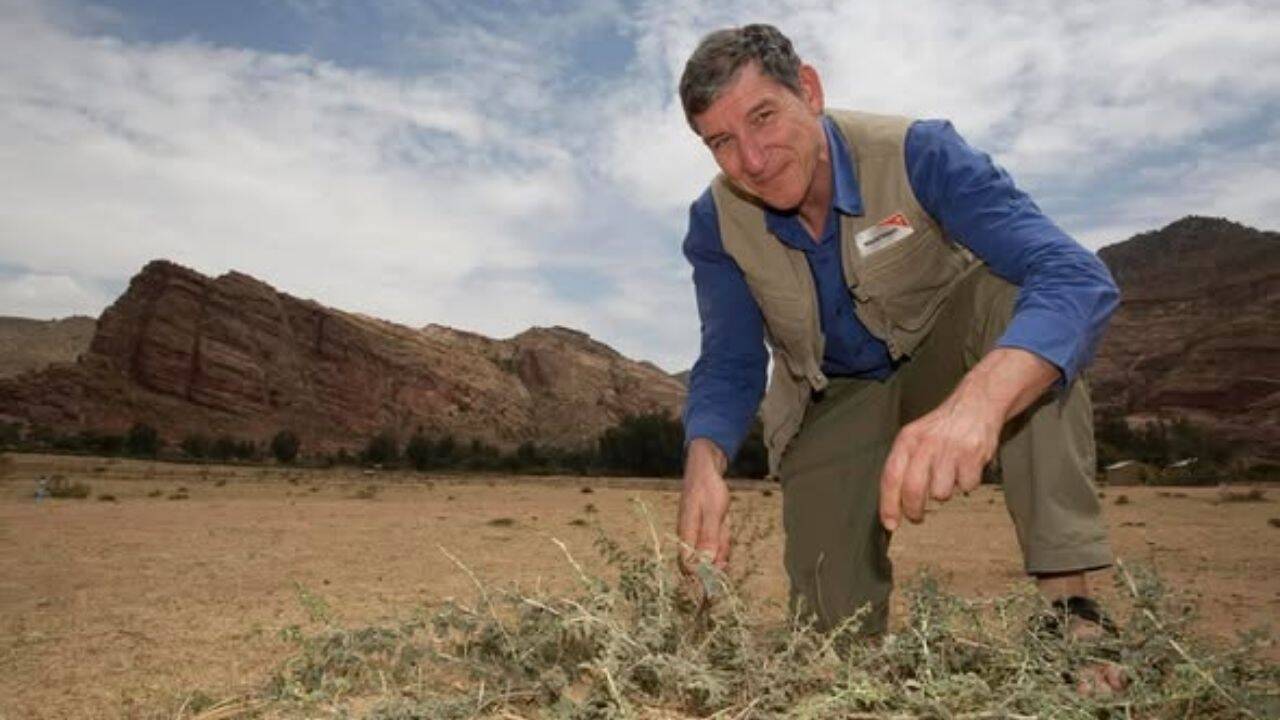
In a remarkable achievement, farmers in Niger have successfully regrown over 200 million trees in the country's dry landscapes. This feat was made possible by the innovative approach of Australian agronomist Tony Rinaudo, who helped farmers revive existing root systems.
The technique, which is low-cost and effective, has restored millions of hectares of degraded farmland, improving food security for the local population. By regenerating indigenous trees, farmers have been able to provide shade, prevent soil erosion, and enrich the soil.
The idea behind this approach is simple yet powerful. Instead of planting new trees, farmers focus on nurturing the existing root systems of trees that have been dormant due to harsh weather conditions. This approach has not only helped to restore the environment but has also improved the livelihoods of farmers and their communities.
The success of this project has been recognized globally, and the technique is now being used as a model for restoring degraded land worldwide. The impact of this approach extends beyond Niger, with the potential to improve food security and restore ecosystems in other parts of the world.
The regeneration of trees in Niger has also had a positive impact on the local ecosystem. The trees provide shade, which helps to reduce soil temperature and prevent erosion. The roots of the trees also help to hold the soil in place, preventing landslides and soil degradation.
In addition to the environmental benefits, the regeneration of trees has also improved the livelihoods of farmers and their communities. The trees provide fruit, fodder, and other essential products, which help to improve food security and increase income for farmers.
The success of this project is a testament to the power of innovative thinking and community-led initiatives. By working together and using simple yet effective techniques, farmers and communities can make a significant impact on the environment and improve their livelihoods.
The global community can learn from the experience of Niger's farmers, who have shown that it is possible to restore degraded land and improve food security using low-cost and effective techniques. As the world continues to face the challenges of climate change, environmental degradation, and food insecurity, the approach used in Niger can serve as a model for other communities and countries.
In conclusion, the regeneration of 200 million trees in Niger is a remarkable achievement that has improved food security, restored ecosystems, and improved the livelihoods of farmers and their communities. The technique used in this project has the potential to be replicated in other parts of the world, making it a significant contribution to global efforts to restore degraded land and improve the environment.
Frequently asked questions
How did Niger farmers regrow trees?
Niger farmers regrew trees by reviving existing root systems using a low-cost approach.
What are the benefits of regrowing trees in Niger?
The benefits include improved food security, restored ecosystems, and increased income for farmers.