Nepal Floods Cause Massive Destruction
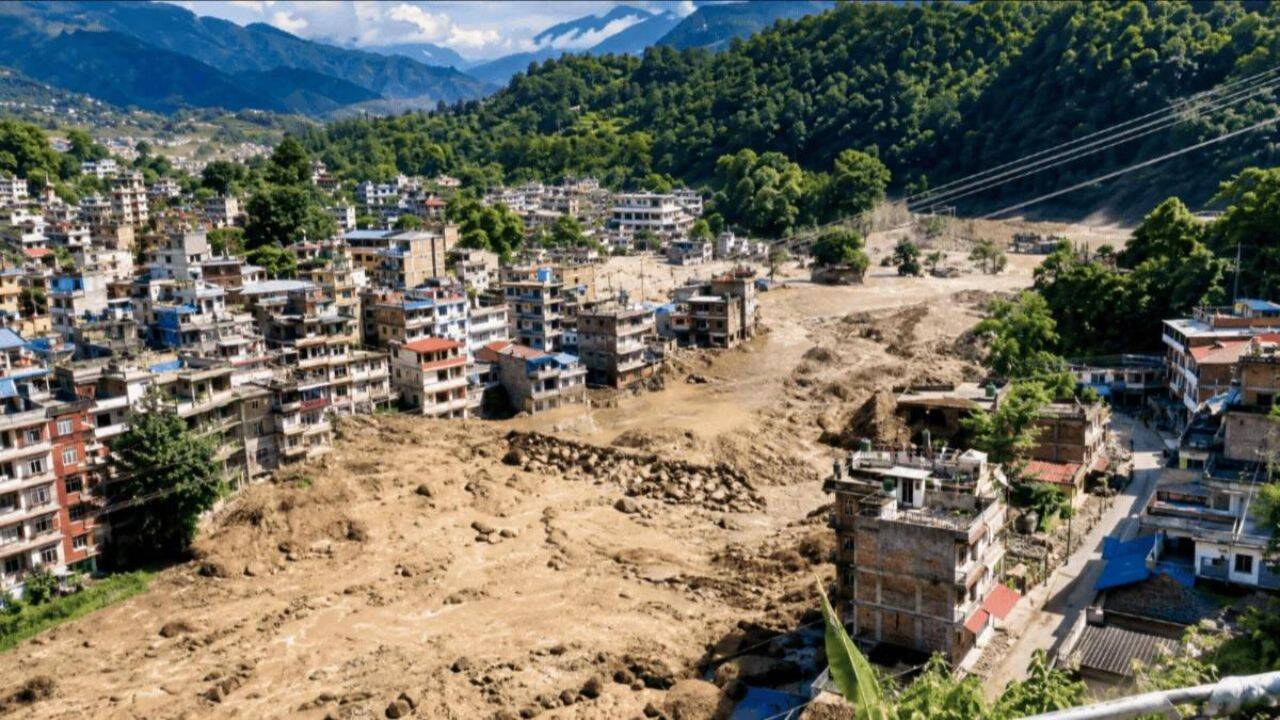
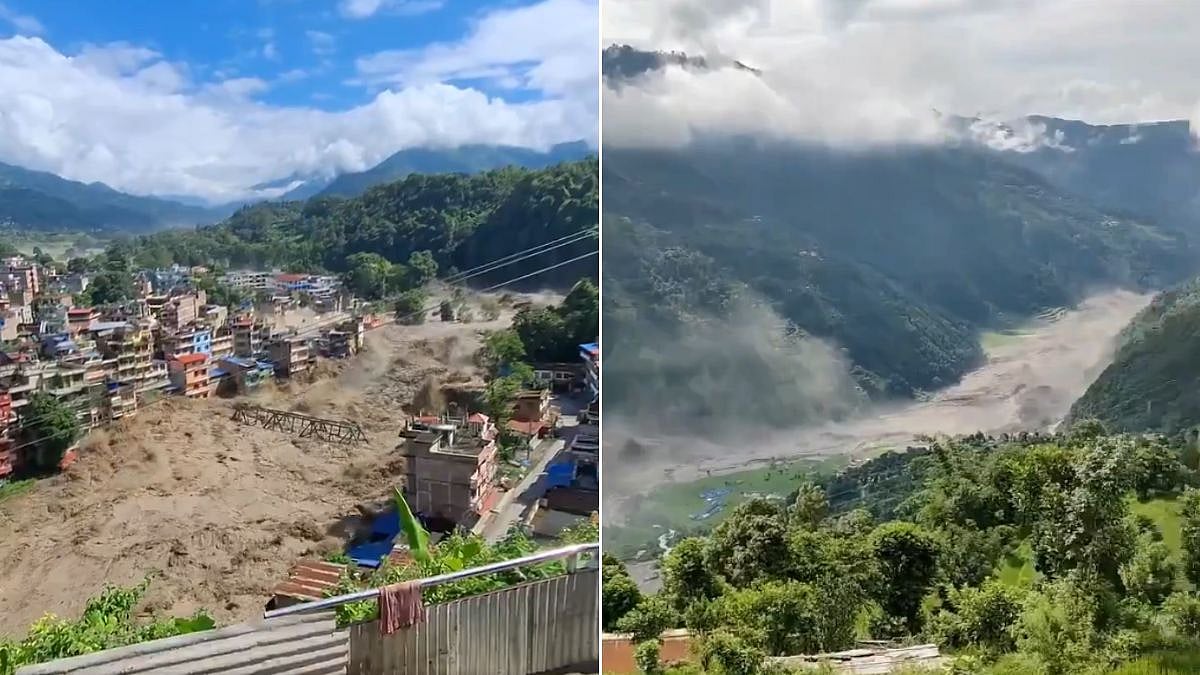
Aerial views reveal destruction, debris surge hits Nepal
'%3E%3Crect%20width%3D'96'%20height%3D'96'%20fill%3D'%234A235A'%2F%3E%3Ccircle%20cx%3D'30'%20cy%3D'24'%20r%3D'44'%20fill%3D'%23fff'%20opacity%3D'.12'%2F%3E%3Ccircle%20cx%3D'60'%20cy%3D'74'%20r%3D'40'%20fill%3D'%23000'%20opacity%3D'.10'%2F%3E%3C%2Fg%3E%3Cg%20fill%3D'none'%20stroke%3D'%23fff'%20stroke-width%3D'3'%3E%3Ccircle%20cx%3D'48'%20cy%3D'48'%20r%3D'16'%2F%3E%3Cellipse%20cx%3D'48'%20cy%3D'48'%20rx%3D'6.5'%20ry%3D'16'%2F%3E%3Cline%20x1%3D'32'%20y1%3D'42'%20x2%3D'64'%20y2%3D'42'%2F%3E%3Cline%20x1%3D'32'%20y1%3D'54'%20x2%3D'64'%20y2%3D'54'%2F%3E%3C%2Fg%3E%3C%2Fsvg%3E)

A massive debris surge has caused widespread destruction in Nepal, with aerial views showing the trail of devastation. The floods have affected several areas, leaving a path of destruction in their wake.
The debris surge, which was triggered by heavy rainfall, has caused significant damage to infrastructure, including roads, bridges, and buildings.
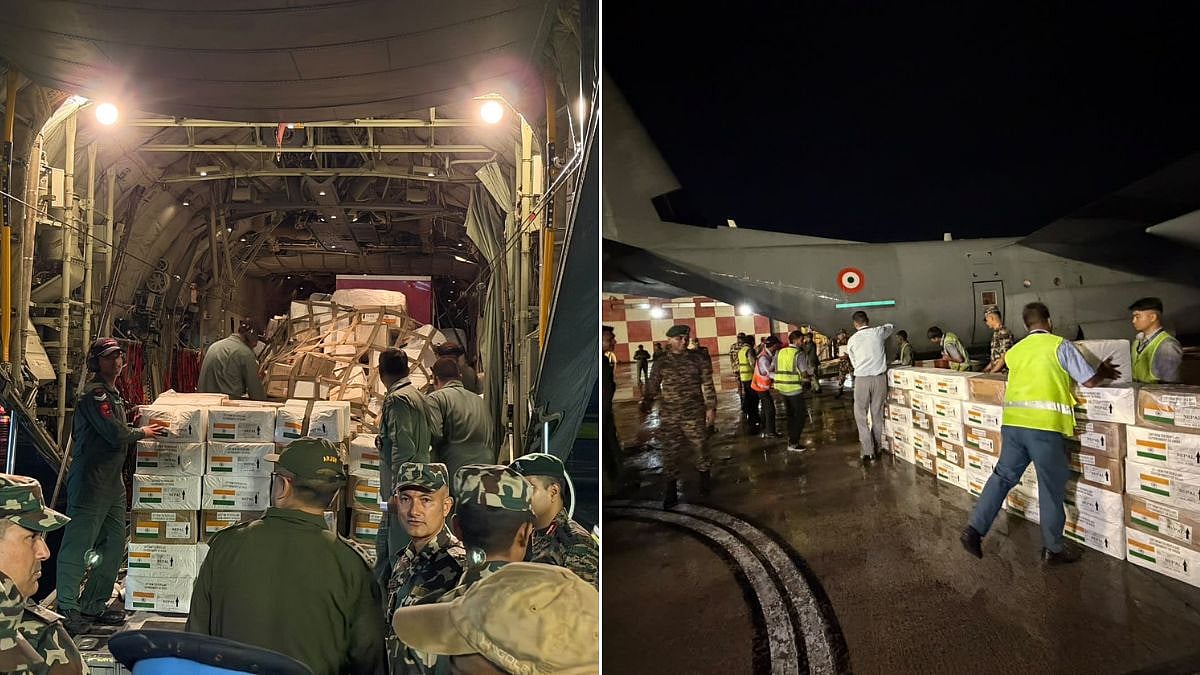
The Nepalese government has initiated relief efforts, with rescue teams working to evacuate those stranded and provide aid to affected areas.
The full extent of the damage is still being assessed, but initial reports suggest that the floods have caused significant disruption to daily life.
Nepal is prone to flooding due to its geographical location, with the country's terrain making it vulnerable to landslides and flash floods.
The monsoon season, which typically runs from June to September, brings heavy rainfall to the region, increasing the risk of flooding.
In recent years, Nepal has experienced several major flooding events, resulting in significant loss of life and property.
The country is working to improve its disaster response and mitigation efforts, with a focus on early warning systems and evacuation plans.
The international community has also offered support, with several countries providing aid and assistance to affected areas.
As the situation continues to unfold, the Nepalese government and relief agencies are working to provide assistance to those affected and to rebuild damaged infrastructure.
The floods serve as a reminder of the importance of disaster preparedness and the need for continued support and assistance to affected communities.
Frequently asked questions
What caused the Nepal floods?
The floods were triggered by heavy rainfall, which caused a massive debris surge.
How is the Nepalese government responding to the floods?
The government has initiated relief efforts, with rescue teams working to evacuate those stranded and provide aid to affected areas.