Nepal Faces GLOF Threat From 47 Dangerous Glacial Lakes
Nepal at risk from glacial lake outbursts, 47 lakes classified as potentially dangerous, threatening communities and infrastructure.
'%3E%3Crect%20width%3D'96'%20height%3D'96'%20fill%3D'%234A235A'%2F%3E%3Ccircle%20cx%3D'30'%20cy%3D'24'%20r%3D'44'%20fill%3D'%23fff'%20opacity%3D'.12'%2F%3E%3Ccircle%20cx%3D'60'%20cy%3D'74'%20r%3D'40'%20fill%3D'%23000'%20opacity%3D'.10'%2F%3E%3C%2Fg%3E%3Cg%20fill%3D'none'%20stroke%3D'%23fff'%20stroke-width%3D'3'%3E%3Ccircle%20cx%3D'48'%20cy%3D'48'%20r%3D'16'%2F%3E%3Cellipse%20cx%3D'48'%20cy%3D'48'%20rx%3D'6.5'%20ry%3D'16'%2F%3E%3Cline%20x1%3D'32'%20y1%3D'42'%20x2%3D'64'%20y2%3D'42'%2F%3E%3Cline%20x1%3D'32'%20y1%3D'54'%20x2%3D'64'%20y2%3D'54'%2F%3E%3C%2Fg%3E%3C%2Fsvg%3E)
A recent scientific assessment by the International Centre for Integrated Mountain Development (ICIMOD) and the Government of Nepal has identified 47 glacial lakes as Potentially Dangerous Glacial Lakes (PDGLs), posing a significant threat to communities and infrastructure in Nepal.
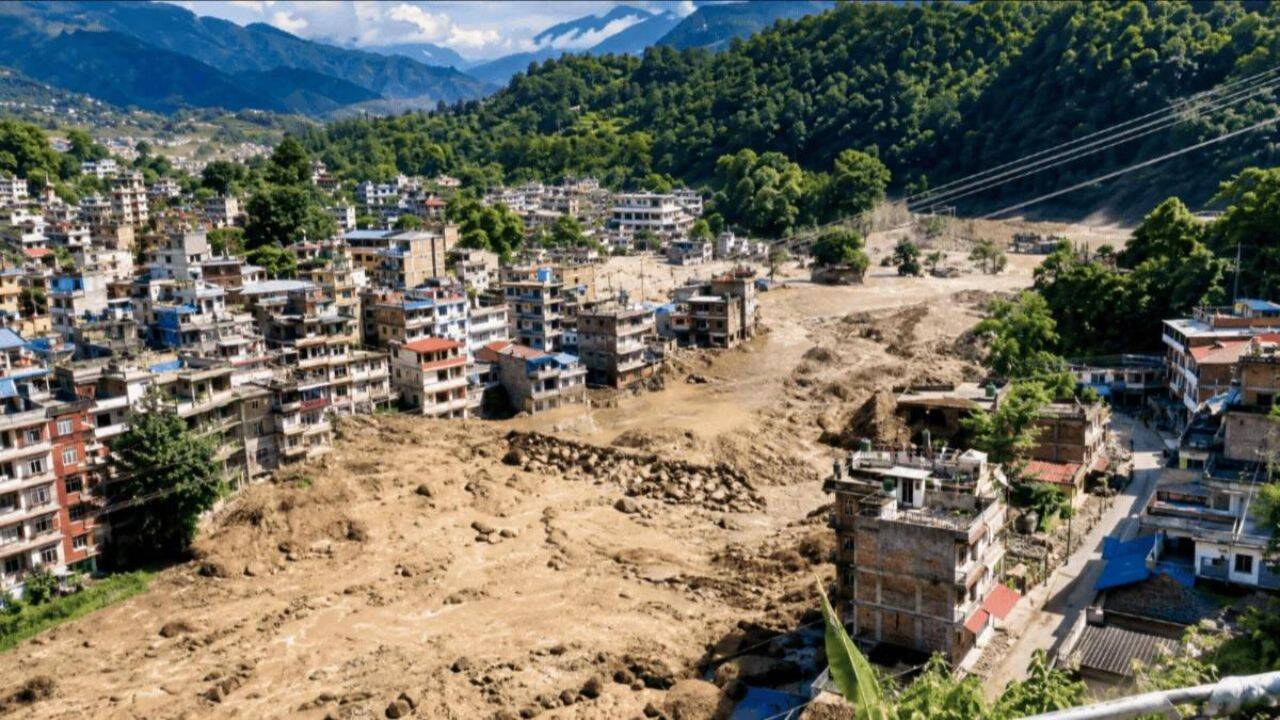
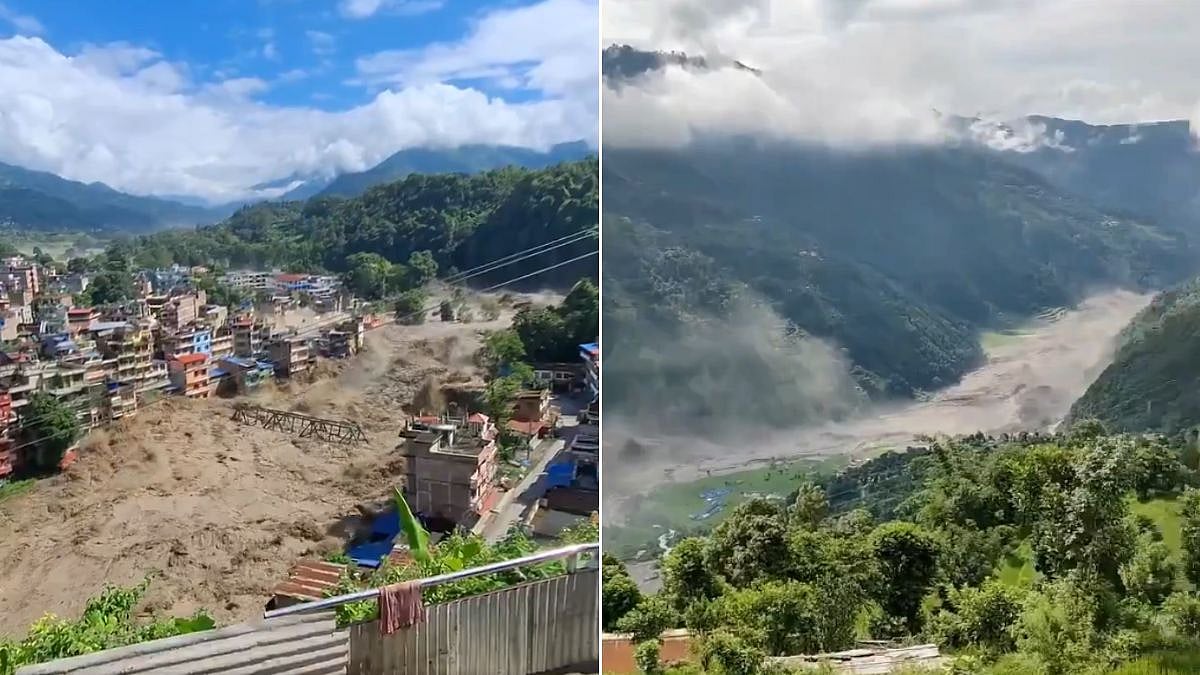
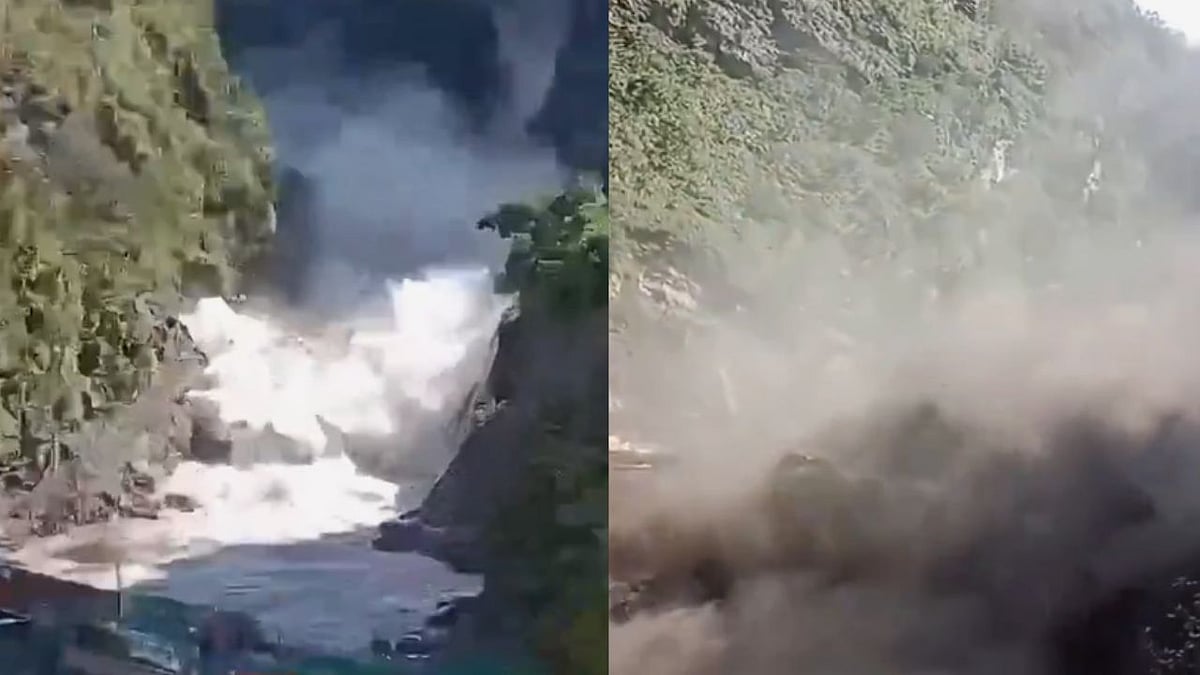
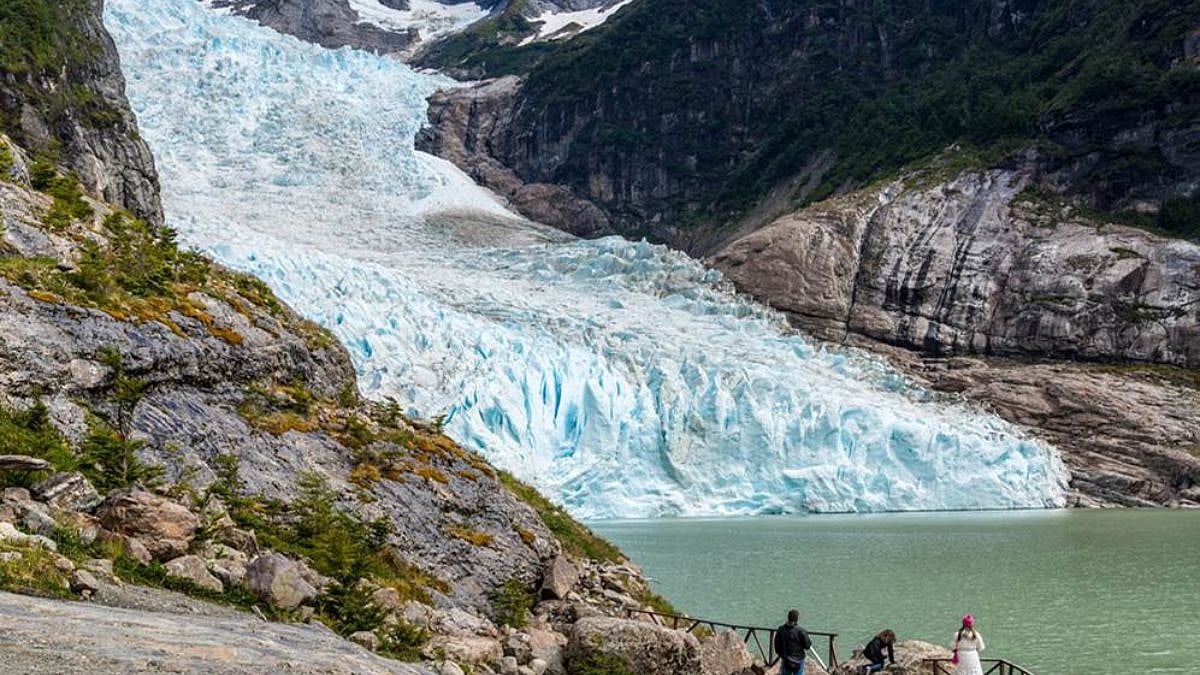
These lakes, located in Nepal and Tibet, are at risk of triggering catastrophic glacial lake outburst floods (GLOFs) into Nepal's river systems. GLOFs occur when natural moraine or ice dams containing glacial meltwater fail, and rising global temperatures are accelerating glacier retreat across the Hindu Kush Himalaya, expanding proglacial lakes and increasing hydrostatic pressure.
Of the 47 lakes, 21 are located in Nepal, while 25 are transboundary lakes in Tibet, situated directly at the headwaters of rivers that flow southwards into Nepal. The most notable among them are Lower Barun, Thulagi, Lumding Tsho, Hongu 2, Tsho Rolpa, and Imja Tsho, which have been identified as critical and in need of urgent risk-reduction and lake-lowering interventions.
The threat posed by these high-risk lakes is concentrated across several high-mountain and mid-hill districts located directly along downstream river corridors, putting communities and critical infrastructure in these areas at risk in the event of a major GLOF. In Eastern and Central Nepal, covering the Koshi and Bagmati basins, more than 85 per cent of the total regional risk is concentrated in vulnerable areas.
The most exposed districts include Solukhumbu, Sankhuwasabha, Dolakha, and Sindhupalchok, which are threatened by potential outbursts from transboundary lakes in Tibet. Downstream river settlements in Ramechhap, Kavrepalanchok, and Rasuwa are also vulnerable. In Western and Far-Western Nepal, across the Gandaki and Karnali basins, direct impact corridors threaten communities and hydropower assets in several districts.
The identification of these potentially dangerous lakes highlights the need for urgent action to mitigate the risks associated with GLOFs. The Government of Nepal, along with international organizations such as the United Nations Development Programme (UNDP), must work together to implement risk-reduction measures and protect communities and infrastructure from the potential impacts of GLOFs.
The threat of GLOFs is not limited to Nepal, as the impacts of such events can be felt across the region. It is essential that governments and international organizations work together to address the root causes of GLOFs, including climate change, and to implement measures to reduce the risks associated with these events.
In conclusion, the identification of 47 potentially dangerous glacial lakes in Nepal and Tibet highlights the significant threat posed by GLOFs to communities and infrastructure in the region. Urgent action is needed to mitigate these risks and protect the people and infrastructure of Nepal from the potential impacts of GLOFs.
The situation in Nepal serves as a reminder of the importance of addressing the impacts of climate change, particularly in vulnerable regions such as the Hindu Kush Himalaya. It is essential that governments and international organizations work together to implement measures to reduce the risks associated with GLOFs and to protect communities and infrastructure from the potential impacts of these events.
Frequently asked questions
What is a glacial lake outburst flood (GLOF)?
A GLOF occurs when a natural moraine or ice dam containing glacial meltwater fails, triggering a catastrophic flood.
How many glacial lakes have been classified as potentially dangerous in Nepal and Tibet?
47 glacial lakes have been classified as potentially dangerous, with 21 located in Nepal and 25 in Tibet.