Baltimore Names Tulip Poplar Official Tree
Baltimore replaces invasive pear, residents vote for new tree, tulip poplar wins.
'%3E%3Crect%20width%3D'96'%20height%3D'96'%20fill%3D'%23B3261E'%2F%3E%3Ccircle%20cx%3D'30'%20cy%3D'24'%20r%3D'44'%20fill%3D'%23fff'%20opacity%3D'.12'%2F%3E%3Ccircle%20cx%3D'60'%20cy%3D'74'%20r%3D'40'%20fill%3D'%23000'%20opacity%3D'.10'%2F%3E%3C%2Fg%3E%3Cg%20fill%3D'%23fff'%3E%3Crect%20x%3D'29'%20y%3D'49'%20width%3D'8'%20height%3D'19'%20rx%3D'1'%2F%3E%3Crect%20x%3D'39'%20y%3D'40'%20width%3D'9'%20height%3D'28'%20rx%3D'1'%2F%3E%3Crect%20x%3D'50'%20y%3D'45'%20width%3D'8'%20height%3D'23'%20rx%3D'1'%2F%3E%3Crect%20x%3D'60'%20y%3D'53'%20width%3D'7'%20height%3D'15'%20rx%3D'1'%2F%3E%3Crect%20x%3D'41'%20y%3D'34'%20width%3D'5'%20height%3D'6'%2F%3E%3C%2Fg%3E%3C%2Fsvg%3E)
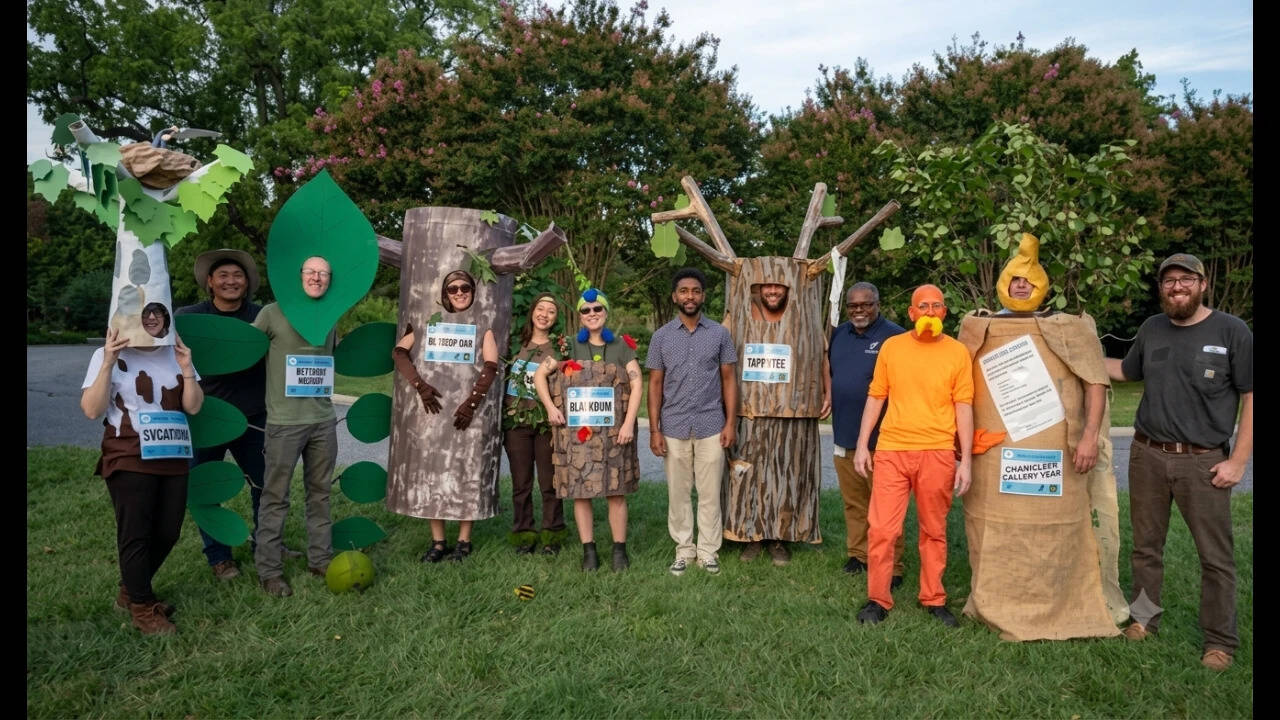
Baltimore has replaced the Chanticleer pear as its official tree after 52 years. The city made this decision after Maryland banned the sales of the invasive callery pear.
The tulip poplar, a native species, was chosen as the new official tree through a voting process. Six native species were in the running for the title, and residents were able to cast their votes before the winner was announced.
The announcement of the new official tree was made at Cylburn Arboretum, where a costumed tree race was held. Hundreds of people attended the event, which was a unique way to reveal the winner.
The Chanticleer pear had been Baltimore's official tree since 1974. However, due to its invasive nature, the state of Maryland decided to ban its sales. This decision led to the city seeking a new official tree that is native to the area.
The tulip poplar is a large and iconic tree that is native to the region. It is known for its distinctive tulip-shaped flowers and its ability to grow up to 100 feet tall. The tree is also an important part of the local ecosystem, providing food and shelter for various wildlife.
The decision to replace the official tree is a significant one for the city of Baltimore. It reflects the city's commitment to preserving and promoting native species. By choosing a native tree as its official symbol, the city is helping to raise awareness about the importance of conservation and the impact of invasive species on the environment.
The replacement of the official tree is also a testament to the city's engagement with its residents. The voting process allowed residents to have a say in the decision, and the costumed tree race was a fun and creative way to announce the winner.
In the end, the decision to name the tulip poplar as Baltimore's official tree is a positive step forward for the city. It promotes conservation, raises awareness about native species, and reflects the city's commitment to preserving its natural environment.
This change may not have a direct impact on Mumbai or India, but it highlights the importance of conservation and the need to protect native species. As cities around the world face similar challenges, Baltimore's decision serves as a model for how to engage residents and promote environmental conservation.
Frequently asked questions
Why did Baltimore replace its official tree?
Baltimore replaced its official tree because Maryland banned the sales of the invasive callery pear.
How was the new official tree chosen?
The new official tree was chosen through a voting process, where residents voted for one of six native species.