Rupee Rises 31 Paise Against US Dollar
Rupee gains on weaker dollar, lower oil prices, and FII inflows.
'%3E%3Crect%20width%3D'96'%20height%3D'96'%20fill%3D'%230B6E4F'%2F%3E%3Ccircle%20cx%3D'30'%20cy%3D'24'%20r%3D'44'%20fill%3D'%23fff'%20opacity%3D'.12'%2F%3E%3Ccircle%20cx%3D'60'%20cy%3D'74'%20r%3D'40'%20fill%3D'%23000'%20opacity%3D'.10'%2F%3E%3C%2Fg%3E%3Cg%20fill%3D'none'%20stroke%3D'%23fff'%20stroke-width%3D'3.2'%20stroke-linecap%3D'round'%20stroke-linejoin%3D'round'%3E%3Cpolyline%20points%3D'31%2C59%2041%2C49%2049%2C54%2063%2C37'%2F%3E%3Cpolyline%20points%3D'55%2C37%2063%2C37%2063%2C45'%2F%3E%3C%2Fg%3E%3C%2Fsvg%3E)

The Indian rupee strengthened by 31 paise against the US dollar on Monday morning, driven by a combination of factors.
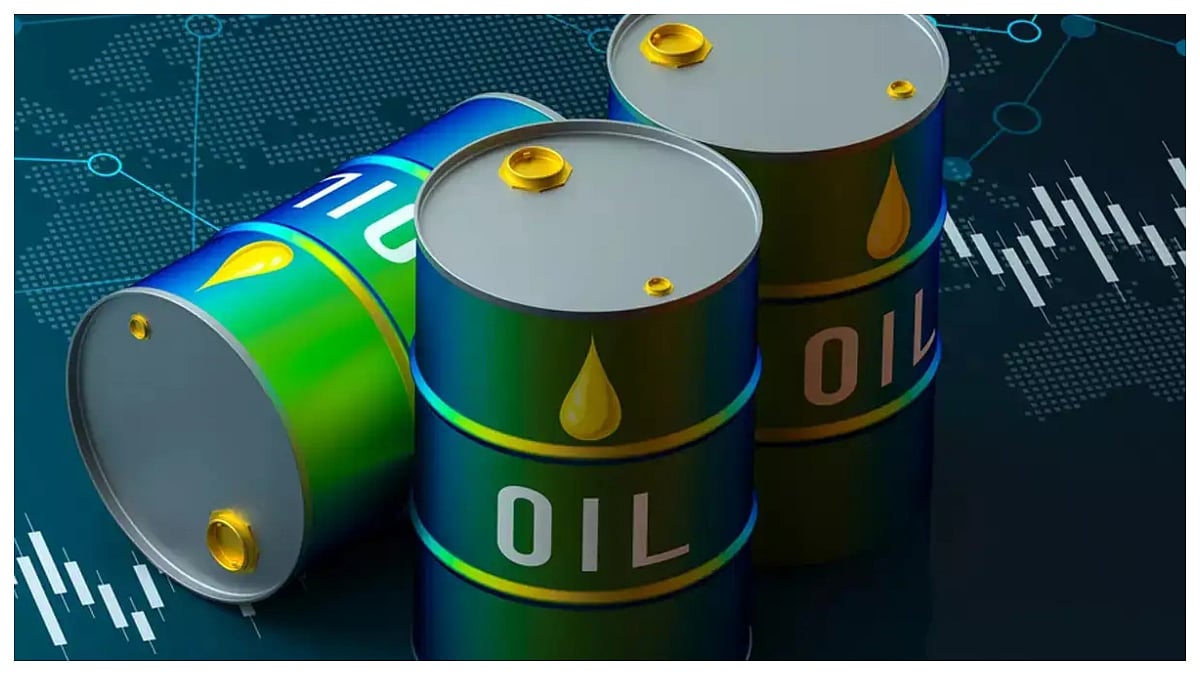
The decline in global crude oil prices and a weaker US dollar provided significant support to the rupee's rise. Additionally, the continued inflows of foreign funds and higher foreign exchange reserves also played a crucial role in bolstering the currency.
The easing of geopolitical concerns, particularly after US President Donald Trump delayed strikes on Iran, helped to boost market sentiment. This development contributed to a more favorable environment for the rupee, allowing it to appreciate against the US dollar.
The Reserve Bank of India's (RBI) intervention in the foreign exchange market also supported the rupee's performance. The central bank's efforts to manage the currency's volatility and maintain stability in the market helped to reinforce the rupee's gains.
The current trend in the rupee's value is closely tied to global economic developments, including fluctuations in oil prices and shifts in investor sentiment. As the global economy continues to evolve, the rupee's performance is likely to remain sensitive to these factors.
In recent times, the Indian economy has been impacted by various global and domestic factors, including trade tensions, geopolitical uncertainties, and monetary policy decisions. The rupee's value has been subject to significant fluctuations, reflecting the complex interplay of these factors.
The RBI has been actively managing the country's foreign exchange reserves, which have been rising in recent months. This increase in reserves has provided a cushion against potential economic shocks and helped to support the rupee's value.
As the Indian economy continues to grow and develop, the rupee's performance will remain a critical factor in shaping the country's trade and investment landscape. A stable and strong rupee can help to boost investor confidence, support economic growth, and enhance the country's competitiveness in the global market.
In conclusion, the rupee's rise of 31 paise against the US dollar on Monday morning reflects the interplay of various global and domestic factors. The combination of a weaker US dollar, lower oil prices, and continued FII inflows has provided significant support to the currency, while the RBI's intervention and higher forex reserves have further bolstered its performance.
The significance of this development for India lies in its potential to boost economic growth, support trade, and enhance the country's global competitiveness. A strong and stable rupee can help to attract foreign investment, promote exports, and reduce the country's reliance on imported goods.
Frequently asked questions
What factors supported the rupee's rise on Monday morning?
The decline in global crude oil prices, a weaker US dollar, and continued FII inflows supported the rupee's rise.
How has the Reserve Bank of India contributed to the rupee's performance?
The RBI's intervention in the foreign exchange market has helped to manage the currency's volatility and maintain stability.