Trump Imposes Up To 200% Tariffs On US Generic Medicine Imports
US President Donald Trump announces tariffs on generic medicines, affecting India's pharma exports. India exported $9.7 billion worth of pharmaceuticals to the US in 2025.
'%3E%3Crect%20width%3D'96'%20height%3D'96'%20fill%3D'%234A235A'%2F%3E%3Ccircle%20cx%3D'30'%20cy%3D'24'%20r%3D'44'%20fill%3D'%23fff'%20opacity%3D'.12'%2F%3E%3Ccircle%20cx%3D'60'%20cy%3D'74'%20r%3D'40'%20fill%3D'%23000'%20opacity%3D'.10'%2F%3E%3C%2Fg%3E%3Cg%20fill%3D'none'%20stroke%3D'%23fff'%20stroke-width%3D'3'%3E%3Ccircle%20cx%3D'48'%20cy%3D'48'%20r%3D'16'%2F%3E%3Cellipse%20cx%3D'48'%20cy%3D'48'%20rx%3D'6.5'%20ry%3D'16'%2F%3E%3Cline%20x1%3D'32'%20y1%3D'42'%20x2%3D'64'%20y2%3D'42'%2F%3E%3Cline%20x1%3D'32'%20y1%3D'54'%20x2%3D'64'%20y2%3D'54'%2F%3E%3C%2Fg%3E%3C%2Fsvg%3E)
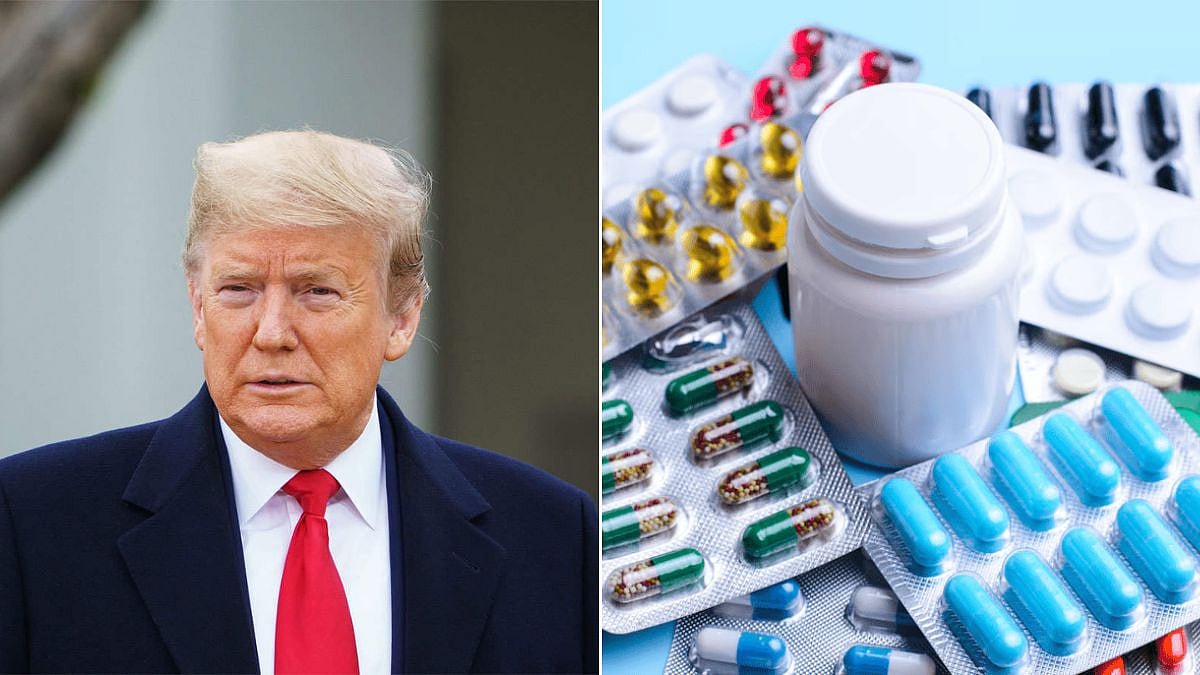
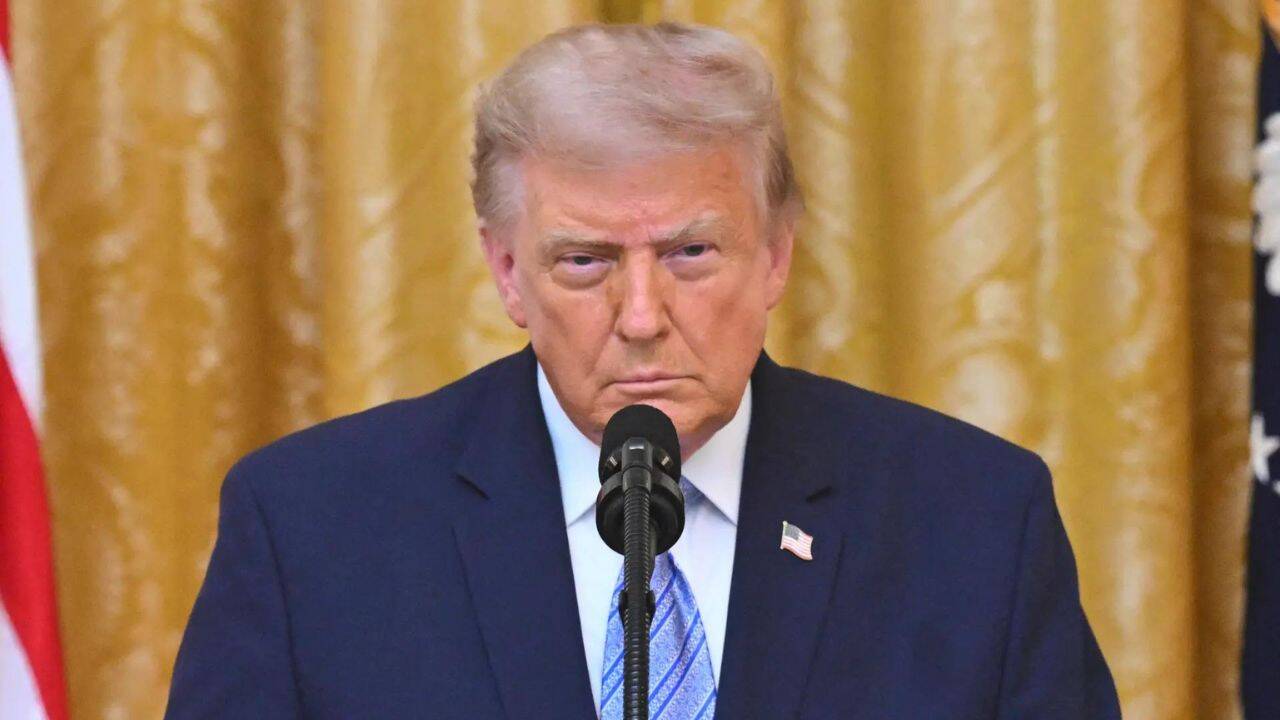
US President Donald Trump has announced steep tariffs on imported generic medicines from August 2026, aiming to onshore the manufacturing of such pharmaceutical products. The move could significantly affect India, which is the largest exporter of generic drugs to the US.
According to Trump's post on Truth Social, the US will continue to have a zero per cent tariff on all generic drugs brought into the country for two years, after which it will be raised to 100 per cent for one year, and 200 per cent thereafter. This policy is intended to protect the people of the United States and encourage companies to build plants and equipment within the country.
The Indian pharmaceutical industry is a significant player in the global market, with India often being referred to as the “pharmacy of the world”. In 2025, India exported $9.7 billion worth of pharmaceuticals to the US, accounting for 38 per cent of its total global pharma exports of $25.8 billion. Indian generic medicines are widely prescribed for various diseases, including hypertension, diabetes, cancer, infectious diseases, and mental health.
The imposition of tariffs on generic medicines could have a significant impact on India's pharma exports to the US. The Indian government and pharmaceutical industry may need to reassess their strategies to maintain their market share in the US. The US market is a crucial destination for Indian pharmaceutical exports, and any disruption to this trade could have far-reaching consequences.
The US has been trying to reduce its dependence on foreign countries for pharmaceutical products, and this move is seen as a step towards achieving this goal. The Trump administration believes that by imposing tariffs on imported generic medicines, it can encourage companies to set up manufacturing facilities in the US, creating jobs and boosting the local economy.
However, the move has raised concerns about the potential impact on the affordability of medicines in the US. The imposition of tariffs could lead to an increase in the prices of generic medicines, making them less accessible to the common man. The US government must ensure that the policy does not harm the interests of its citizens, who rely heavily on generic medicines for their healthcare needs.
The Indian pharmaceutical industry is likely to feel the effects of this policy, and it remains to be seen how the industry will respond to the challenge. The industry may need to explore alternative markets or strategies to maintain its competitiveness in the global market.
In conclusion, the imposition of tariffs on generic medicines by the US is a significant development that could have far-reaching consequences for India's pharma exports. The move is intended to protect the interests of the US, but it also raises concerns about the potential impact on the affordability of medicines. The Indian government and pharmaceutical industry must closely monitor the situation and develop strategies to mitigate the effects of the tariffs.
The US policy on patented, branded, or innovative drugs will remain unchanged, according to Trump. This means that the tariffs will only apply to generic medicines, which are a significant component of India's pharmaceutical exports to the US.
Overall, the imposition of tariffs on generic medicines is a complex issue that requires careful consideration of the potential consequences. The US and Indian governments must work together to ensure that the policy does not harm the interests of citizens in both countries.
The Indian pharmaceutical industry is a vital component of the country's economy, and any disruption to its exports could have significant consequences. The industry employs millions of people and contributes significantly to the country's GDP. The government must take steps to support the industry and ensure that it remains competitive in the global market.
In the coming months, the Indian pharmaceutical industry will be closely watching the developments in the US and assessing the impact of the tariffs on its exports. The industry may need to adapt to the new reality and develop strategies to maintain its market share in the US. The US market is a crucial destination for Indian pharmaceutical exports, and the industry must work hard to retain its position in this market.
The imposition of tariffs on generic medicines is a significant challenge for the Indian pharmaceutical industry, but it also presents an opportunity for the industry to diversify its exports and explore new markets. The industry must be proactive in responding to the challenge and developing strategies to mitigate the effects of the tariffs.
The US policy on generic medicines is a complex issue that requires careful consideration of the potential consequences. The Indian government and pharmaceutical industry must work together to ensure that the policy does not harm the interests of citizens in both countries. The industry must also be prepared to adapt to the new reality and develop strategies to maintain its competitiveness in the global market.
In the end, the imposition of tariffs on generic medicines is a significant development that could have far-reaching consequences for India's pharma exports. The move is intended to protect the interests of the US, but it also raises concerns about the potential impact on the affordability of medicines. The Indian government and pharmaceutical industry must closely monitor the situation and develop strategies to mitigate the effects of the tariffs.
Frequently asked questions
What is the tariff rate on generic medicines imported to the US?
The tariff rate will be 0% for two years, 100% for one year, and 200% thereafter.
How much did India export in pharmaceuticals to the US in 2025?
India exported $9.7 billion worth of pharmaceuticals to the US in 2025.