Englishman Transforms 130-Acre Gravel Pit into Wildlife Haven
A man invests life savings, restores 130 acres. Now a wildlife haven and holiday spot.
'%3E%3Crect%20width%3D'96'%20height%3D'96'%20fill%3D'%23B3261E'%2F%3E%3Ccircle%20cx%3D'30'%20cy%3D'24'%20r%3D'44'%20fill%3D'%23fff'%20opacity%3D'.12'%2F%3E%3Ccircle%20cx%3D'60'%20cy%3D'74'%20r%3D'40'%20fill%3D'%23000'%20opacity%3D'.10'%2F%3E%3C%2Fg%3E%3Cg%20fill%3D'%23fff'%3E%3Crect%20x%3D'29'%20y%3D'49'%20width%3D'8'%20height%3D'19'%20rx%3D'1'%2F%3E%3Crect%20x%3D'39'%20y%3D'40'%20width%3D'9'%20height%3D'28'%20rx%3D'1'%2F%3E%3Crect%20x%3D'50'%20y%3D'45'%20width%3D'8'%20height%3D'23'%20rx%3D'1'%2F%3E%3Crect%20x%3D'60'%20y%3D'53'%20width%3D'7'%20height%3D'15'%20rx%3D'1'%2F%3E%3Crect%20x%3D'41'%20y%3D'34'%20width%3D'5'%20height%3D'6'%2F%3E%3C%2Fg%3E%3C%2Fsvg%3E)
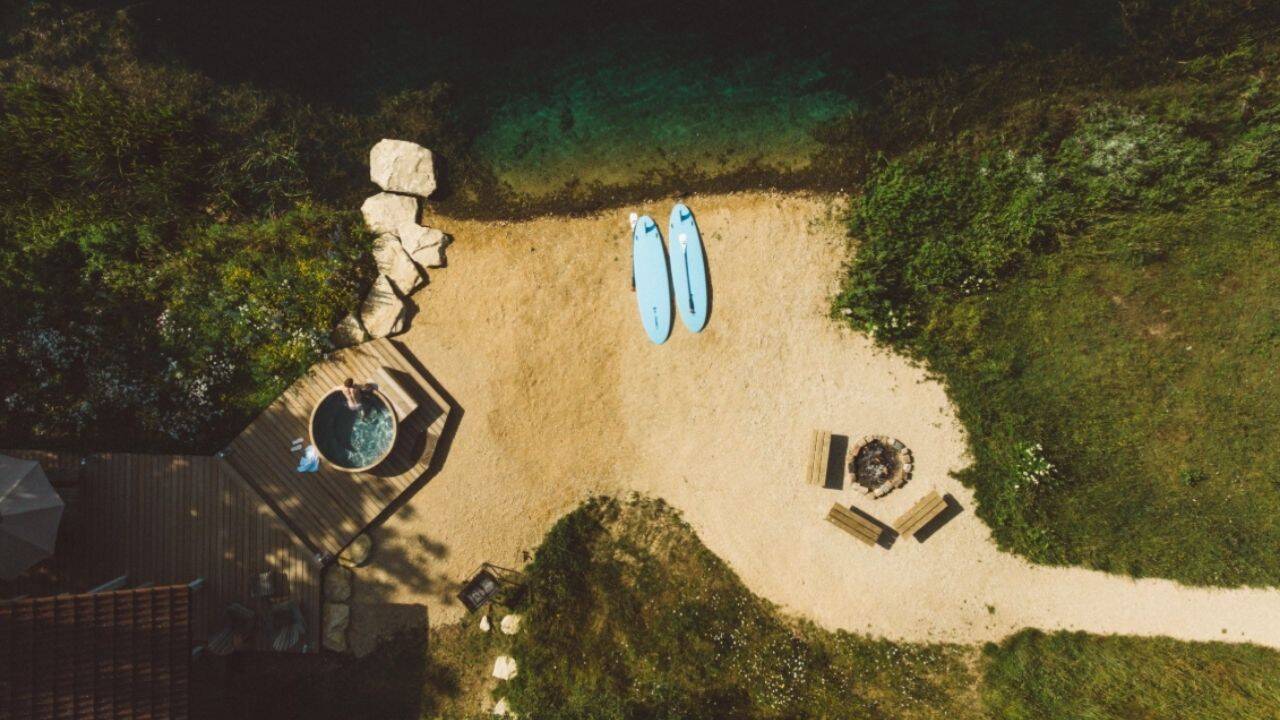
A remarkable transformation has taken place in the Cotswolds, England, where a 130-acre gravel pit has been converted into a thriving wildlife haven. The area, which is now part of Log House Holidays, was once a barren landscape, but after the extraction of gravel ended, it was restored to its former glory.
The restoration process involved planting 50,000 trees, wildflowers, and reeds, which has created a habitat for numerous bird species and other wildlife. The estate, which spans 53 hectares, is now a designated Site of Special Scientific Interest, recognizing its importance as a natural habitat.
The man behind this transformation has invested his life savings into the project, which has not only created a haven for wildlife but also a popular holiday destination. Log House Holidays now hosts holiday cabins, allowing visitors to experience the beauty of the restored landscape.
The Cotswolds, a region in England, is home to approximately 170 lakes, many of which are former gravel pits that have been transformed after extraction ended. This project is a testament to the potential for restoration and conservation of such areas.
The transformation of the gravel pit into a wildlife haven has had a significant impact on the local ecosystem. The creation of habitats for birds and other wildlife has helped to increase biodiversity in the area, making it an important site for conservation.
The project has also highlighted the importance of sustainable tourism, with the holiday cabins providing a unique opportunity for visitors to experience the natural beauty of the area while also supporting conservation efforts.
The story of the transformation of the gravel pit into a wildlife haven is an inspiring one, demonstrating the potential for individuals to make a positive impact on the environment. It also serves as a reminder of the importance of conservation and restoration of natural habitats.
In conclusion, the transformation of the 130-acre gravel pit into a wildlife haven is a remarkable achievement, showcasing the potential for restoration and conservation of former industrial sites. The project has not only created a haven for wildlife but also a popular holiday destination, highlighting the importance of sustainable tourism and conservation.
Frequently asked questions
What was the former use of the 130-acre land in England?
The 130-acre land was formerly a gravel pit.
What is the current status of the restored land?
The restored land is now a designated Site of Special Scientific Interest and hosts holiday cabins.