BMC Hall Seating Remains Unchanged For Five Years
No changes in seating arrangement, no complaints in three years.
'%3E%3Crect%20width%3D'96'%20height%3D'96'%20fill%3D'%23B3261E'%2F%3E%3Ccircle%20cx%3D'30'%20cy%3D'24'%20r%3D'44'%20fill%3D'%23fff'%20opacity%3D'.12'%2F%3E%3Ccircle%20cx%3D'60'%20cy%3D'74'%20r%3D'40'%20fill%3D'%23000'%20opacity%3D'.10'%2F%3E%3C%2Fg%3E%3Cg%20fill%3D'%23fff'%3E%3Crect%20x%3D'29'%20y%3D'49'%20width%3D'8'%20height%3D'19'%20rx%3D'1'%2F%3E%3Crect%20x%3D'39'%20y%3D'40'%20width%3D'9'%20height%3D'28'%20rx%3D'1'%2F%3E%3Crect%20x%3D'50'%20y%3D'45'%20width%3D'8'%20height%3D'23'%20rx%3D'1'%2F%3E%3Crect%20x%3D'60'%20y%3D'53'%20width%3D'7'%20height%3D'15'%20rx%3D'1'%2F%3E%3Crect%20x%3D'41'%20y%3D'34'%20width%3D'5'%20height%3D'6'%2F%3E%3C%2Fg%3E%3C%2Fsvg%3E)
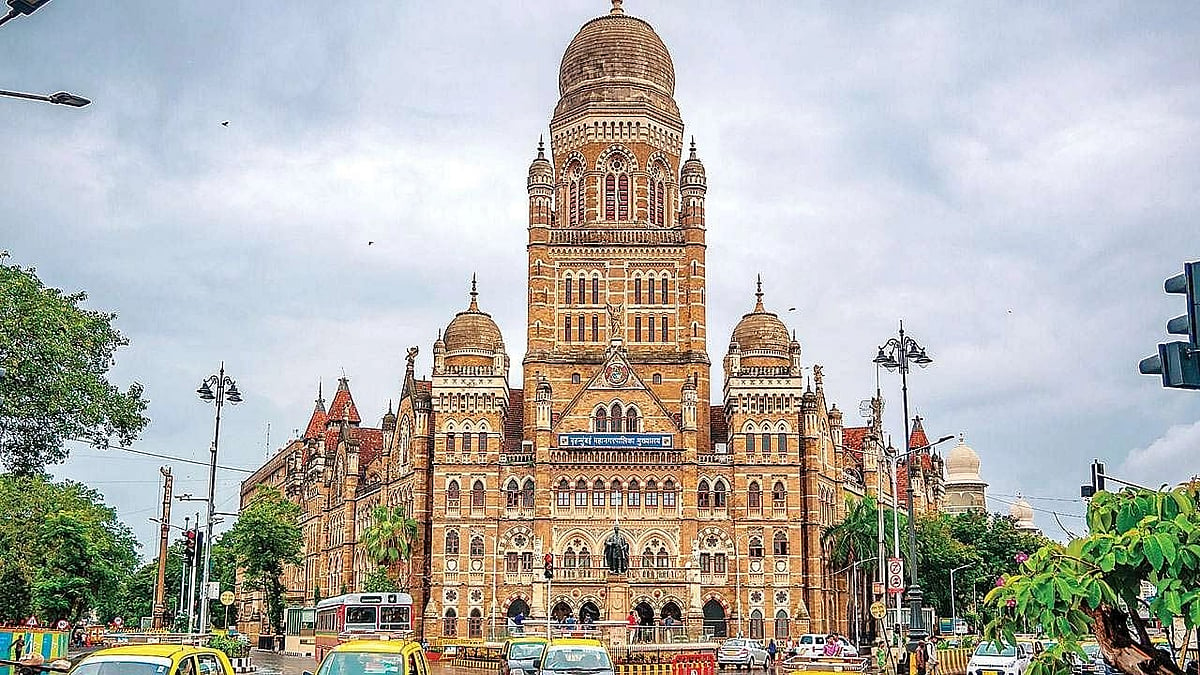
A recent RTI query has revealed that the seating arrangement in the General Body Hall of the Brihanmumbai Municipal Corporation (BMC) has not been altered in the last five years.
The BMC General Body Hall, located in a heritage building, currently has a total of 237 seats. This includes 227 seats for elected corporators and 10 seats for nominated corporators.
Despite the lack of changes, there have been no complaints regarding the seating arrangement from either citizens or elected members over the past three years.
The RTI query was filed by activist Anil Galgali, who sought information on the classification of seating for various categories, including corporators, officials, media personnel, and visitors. However, the BMC stated that this information was not available as it did not fall within the jurisdiction of the concerned department.
Galgali commented on the disclosure, emphasizing the importance of transparency and accessibility of information related to the BMC General Body Hall, which is the highest democratic decision-making forum in Mumbai.
The revelation comes at a time when the BJP-led Mahayuti is pushing for the construction of a new corporation hall on the gymkhana plot opposite the BMC headquarters in Fort. The proposed new hall aims to increase the seating capacity for corporators in the future, as the present hall has limitations on renovations and expansions due to its heritage status.
The BMC General Body Hall plays a crucial role in the governance of Mumbai, and the lack of changes in its seating arrangement over the years raises questions about the need for a new hall.
The RTI Act has once again demonstrated its significance in promoting transparency and accountability in governance, allowing citizens to access information that might otherwise remain unknown.
In the context of Mumbai's governance, the BMC General Body Hall is a vital institution, and its infrastructure and administrative arrangements should be transparent and accessible to the public.
The proposal for a new corporation hall has sparked debate, with some arguing that it is necessary to accommodate the growing number of corporators, while others question the need for such a project given the limitations on renovations and expansions of the present hall.
As the discussion surrounding the new corporation hall continues, the RTI revelation highlights the importance of transparency and accountability in governance, ensuring that citizens have access to information that affects their lives and the functioning of their city.
In conclusion, the unchanged seating arrangement in the BMC General Body Hall over the last five years raises important questions about the need for transparency and accountability in governance, and the role of the RTI Act in promoting informed public participation in decision-making processes.