AI Pilot Fails 2nd Dope Test After Turbulence Incident
Pilot of turbulence-hit AI flight fails second dope test. Incident occurred after flight dropped 300 ft.
'%3E%3Crect%20width%3D'96'%20height%3D'96'%20fill%3D'%23B3261E'%2F%3E%3Ccircle%20cx%3D'30'%20cy%3D'24'%20r%3D'44'%20fill%3D'%23fff'%20opacity%3D'.12'%2F%3E%3Ccircle%20cx%3D'60'%20cy%3D'74'%20r%3D'40'%20fill%3D'%23000'%20opacity%3D'.10'%2F%3E%3C%2Fg%3E%3Cg%20fill%3D'%23fff'%3E%3Crect%20x%3D'29'%20y%3D'49'%20width%3D'8'%20height%3D'19'%20rx%3D'1'%2F%3E%3Crect%20x%3D'39'%20y%3D'40'%20width%3D'9'%20height%3D'28'%20rx%3D'1'%2F%3E%3Crect%20x%3D'50'%20y%3D'45'%20width%3D'8'%20height%3D'23'%20rx%3D'1'%2F%3E%3Crect%20x%3D'60'%20y%3D'53'%20width%3D'7'%20height%3D'15'%20rx%3D'1'%2F%3E%3Crect%20x%3D'41'%20y%3D'34'%20width%3D'5'%20height%3D'6'%2F%3E%3C%2Fg%3E%3C%2Fsvg%3E)
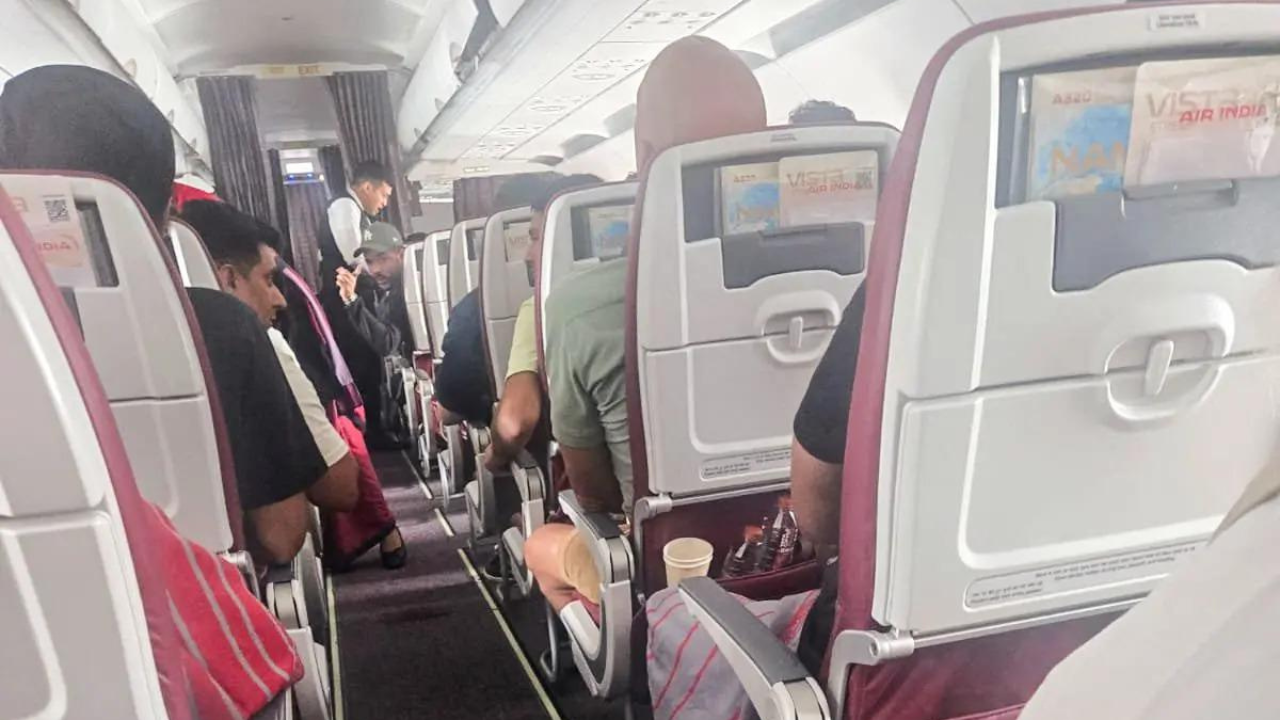
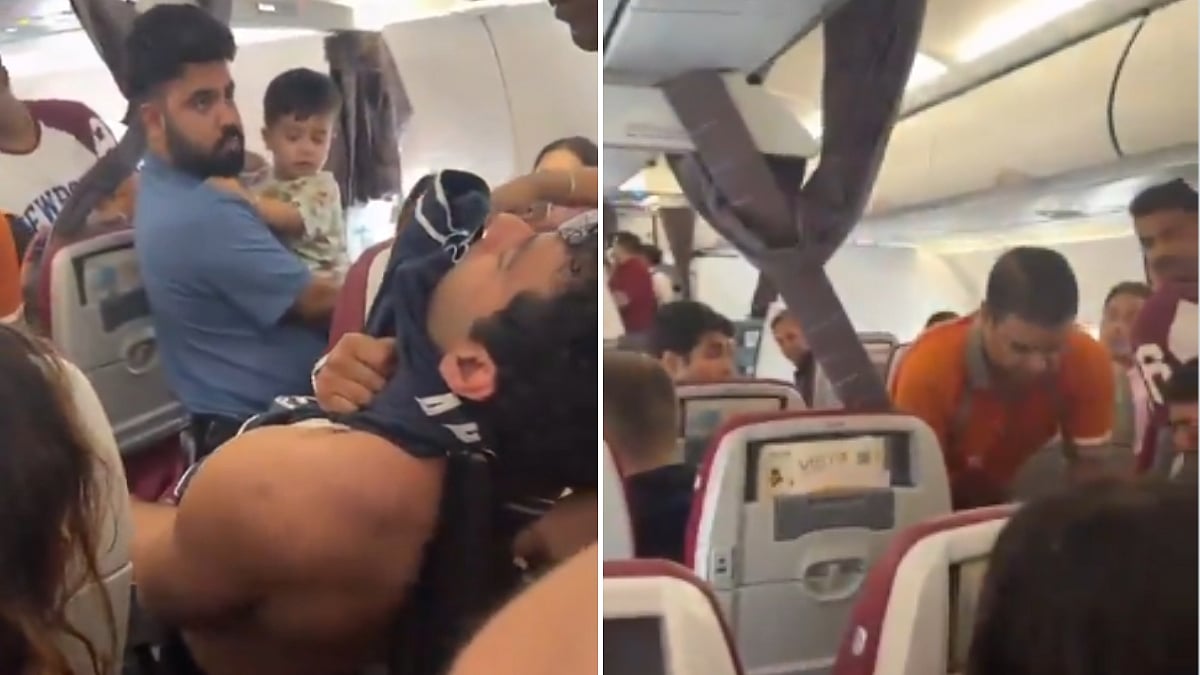
A pilot of an Air India flight that experienced severe turbulence, resulting in a 300-foot drop, has failed a second dope test, according to sources. The incident has raised concerns about the safety and well-being of pilots operating flights.
The Air India flight in question encountered turbulence, which led to a significant drop in altitude. Fortunately, no injuries or fatalities were reported. However, the incident has sparked an investigation into the circumstances surrounding the event.
The pilot, whose identity has not been disclosed, was subjected to a dope test after the incident. The results of the initial test were positive, prompting a second test to confirm the findings. Unfortunately, the second test also yielded a positive result, indicating that the pilot had consumed a substance that is prohibited for pilots.
The incident has raised questions about the effectiveness of Air India's safety protocols and the measures in place to ensure that pilots are fit to fly. The airline has a zero-tolerance policy towards substance abuse, and pilots are regularly subjected to random testing.
The Directorate General of Civil Aviation (DGCA) has been informed about the incident and is likely to launch an investigation into the matter. The regulator may take action against the pilot, including revoking their license to fly.
The incident is a reminder of the importance of ensuring that pilots are fit to fly and that airlines have robust safety protocols in place. The safety of passengers and crew is of paramount importance, and any compromise on this front can have serious consequences.
In recent years, there have been several incidents of pilots failing dope tests, highlighting the need for stricter measures to prevent substance abuse in the aviation industry. The incident involving the Air India pilot is a wake-up call for the industry to re-examine its safety protocols and ensure that pilots are held to the highest standards of fitness and sobriety.
The Air India pilot's failure to pass the dope test has significant implications for the aviation industry. It underscores the need for airlines to implement robust testing protocols and to take swift action against pilots who fail to meet the required standards. The incident is also a reminder of the importance of prioritizing passenger safety above all else.
In conclusion, the incident involving the Air India pilot who failed a second dope test is a serious concern that highlights the need for stricter safety protocols in the aviation industry. The incident has sparked an investigation, and the regulator is likely to take action against the pilot. The aviation industry must prioritize passenger safety and ensure that pilots are fit to fly at all times.
Frequently asked questions
What happened to the Air India pilot after the turbulence incident?
The pilot failed a second dope test, which may result in the revocation of their license to fly.
What is the DGCA's role in the incident?
The DGCA has been informed about the incident and is likely to launch an investigation into the matter.