Bats' Longevity Varies Greatly Among Species
Some bats live up to 50 years, while others survive just 7 years.
'%3E%3Crect%20width%3D'96'%20height%3D'96'%20fill%3D'%23B3261E'%2F%3E%3Ccircle%20cx%3D'30'%20cy%3D'24'%20r%3D'44'%20fill%3D'%23fff'%20opacity%3D'.12'%2F%3E%3Ccircle%20cx%3D'60'%20cy%3D'74'%20r%3D'40'%20fill%3D'%23000'%20opacity%3D'.10'%2F%3E%3C%2Fg%3E%3Cg%20fill%3D'%23fff'%3E%3Crect%20x%3D'29'%20y%3D'49'%20width%3D'8'%20height%3D'19'%20rx%3D'1'%2F%3E%3Crect%20x%3D'39'%20y%3D'40'%20width%3D'9'%20height%3D'28'%20rx%3D'1'%2F%3E%3Crect%20x%3D'50'%20y%3D'45'%20width%3D'8'%20height%3D'23'%20rx%3D'1'%2F%3E%3Crect%20x%3D'60'%20y%3D'53'%20width%3D'7'%20height%3D'15'%20rx%3D'1'%2F%3E%3Crect%20x%3D'41'%20y%3D'34'%20width%3D'5'%20height%3D'6'%2F%3E%3C%2Fg%3E%3C%2Fsvg%3E)
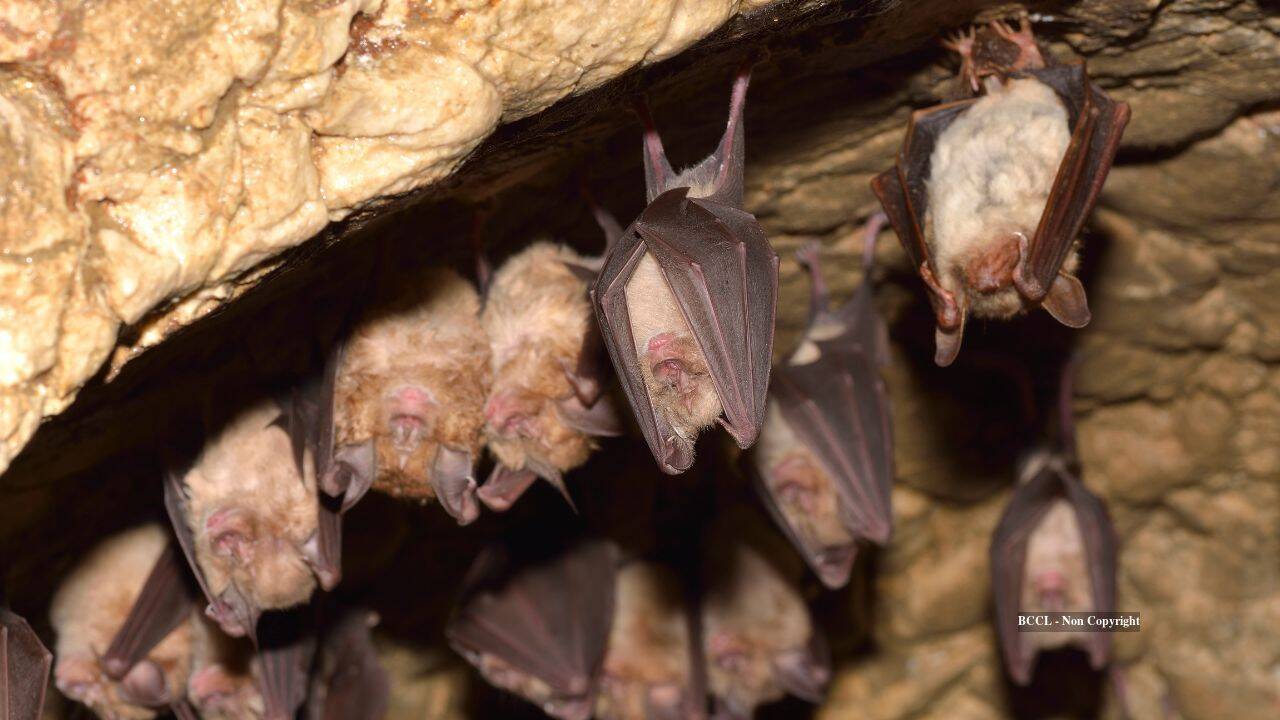
A fascinating phenomenon has been observed in the bat species, where some bats can live up to 50 years, while their close relatives survive for only 7 years. This significant variation in longevity has sparked the interest of scientists, who are eager to understand the underlying factors contributing to this disparity.
The bat species is one of the most diverse groups of mammals, with over 1,300 species found across the globe. Despite their differences, bats are closely related and share many similarities in their physiology and behavior. However, when it comes to their lifespan, there is a remarkable variation among species.
Researchers have been studying the factors that contribute to the longevity of bats, including their diet, lifestyle, and genetic makeup. Some bats, such as the Brandt's bat, can live up to 50 years in the wild, while others, like the Little Brown Bat, typically survive for only 7 years.
One of the key factors that contribute to the longevity of bats is their ability to fly. Flying allows bats to escape predators, find food, and migrate to new habitats, which can all contribute to a longer lifespan. Additionally, some bat species have evolved unique physiological adaptations, such as a slower rate of aging, which can also contribute to their longevity.
The study of bat longevity can also provide valuable insights into human aging and age-related diseases. By understanding the factors that contribute to the longevity of bats, scientists may be able to develop new strategies for promoting healthy aging and preventing age-related diseases in humans.
The variation in longevity among bat species is a complex phenomenon that is not yet fully understood. However, by continuing to study these fascinating creatures, scientists can gain a deeper understanding of the factors that contribute to their longevity and how they can be applied to human health.
In conclusion, the significant variation in longevity among bat species is a fascinating area of study that can provide valuable insights into the biology of aging and age-related diseases. By understanding the factors that contribute to the longevity of bats, scientists can develop new strategies for promoting healthy aging and preventing age-related diseases in humans.
The study of bat longevity is an ongoing area of research, with scientists continuing to explore the factors that contribute to the remarkable variation in lifespan among bat species. As our understanding of bat longevity grows, so too will our understanding of the complex factors that contribute to aging and age-related diseases in humans.
The longevity of bats is a remarkable phenomenon that continues to fascinate scientists and the general public alike. By studying these incredible creatures, we can gain a deeper understanding of the biology of aging and develop new strategies for promoting healthy aging and preventing age-related diseases.
The variation in longevity among bat species is a complex and multifaceted phenomenon that is not yet fully understood. However, by continuing to study these fascinating creatures, scientists can gain a deeper understanding of the factors that contribute to their longevity and how they can be applied to human health.
In the future, scientists hope to continue exploring the factors that contribute to the longevity of bats, with the ultimate goal of developing new strategies for promoting healthy aging and preventing age-related diseases in humans.
The research on bat longevity has the potential to make a significant impact on our understanding of human aging and age-related diseases. By studying the factors that contribute to the longevity of bats, scientists can develop new insights into the biology of aging and develop new strategies for promoting healthy aging.
The study of bat longevity is an exciting and rapidly evolving area of research, with new discoveries being made regularly. As our understanding of bat longevity grows, so too will our understanding of the complex factors that contribute to aging and age-related diseases in humans.
The longevity of bats is a fascinating area of study that has the potential to make a significant impact on our understanding of human aging and age-related diseases. By continuing to study these incredible creatures, scientists can gain a deeper understanding of the factors that contribute to their longevity and develop new strategies for promoting healthy aging and preventing age-related diseases in humans.
Frequently asked questions
What is the average lifespan of a bat?
The average lifespan of a bat varies greatly among species, ranging from 7 to 50 years.
What factors contribute to the longevity of bats?
Factors such as diet, lifestyle, genetic makeup, and the ability to fly contribute to the longevity of bats.