Delhi HC Seeks Reply On Excessive Force Allegations
Delhi High Court seeks response from police, orders CCTV preservation. Allegations of excessive force against students during protest.
'%3E%3Crect%20width%3D'96'%20height%3D'96'%20fill%3D'%231A5276'%2F%3E%3Ccircle%20cx%3D'30'%20cy%3D'24'%20r%3D'44'%20fill%3D'%23fff'%20opacity%3D'.12'%2F%3E%3Ccircle%20cx%3D'60'%20cy%3D'74'%20r%3D'40'%20fill%3D'%23000'%20opacity%3D'.10'%2F%3E%3C%2Fg%3E%3Cg%20fill%3D'%23fff'%3E%3Cpath%20d%3D'M31%2041%20L48%2031%20L65%2041%20Z'%2F%3E%3Crect%20x%3D'33'%20y%3D'43'%20width%3D'4'%20height%3D'17'%2F%3E%3Crect%20x%3D'41'%20y%3D'43'%20width%3D'4'%20height%3D'17'%2F%3E%3Crect%20x%3D'51'%20y%3D'43'%20width%3D'4'%20height%3D'17'%2F%3E%3Crect%20x%3D'59'%20y%3D'43'%20width%3D'4'%20height%3D'17'%2F%3E%3Crect%20x%3D'30'%20y%3D'62'%20width%3D'36'%20height%3D'4'%20rx%3D'1'%2F%3E%3C%2Fg%3E%3C%2Fsvg%3E)
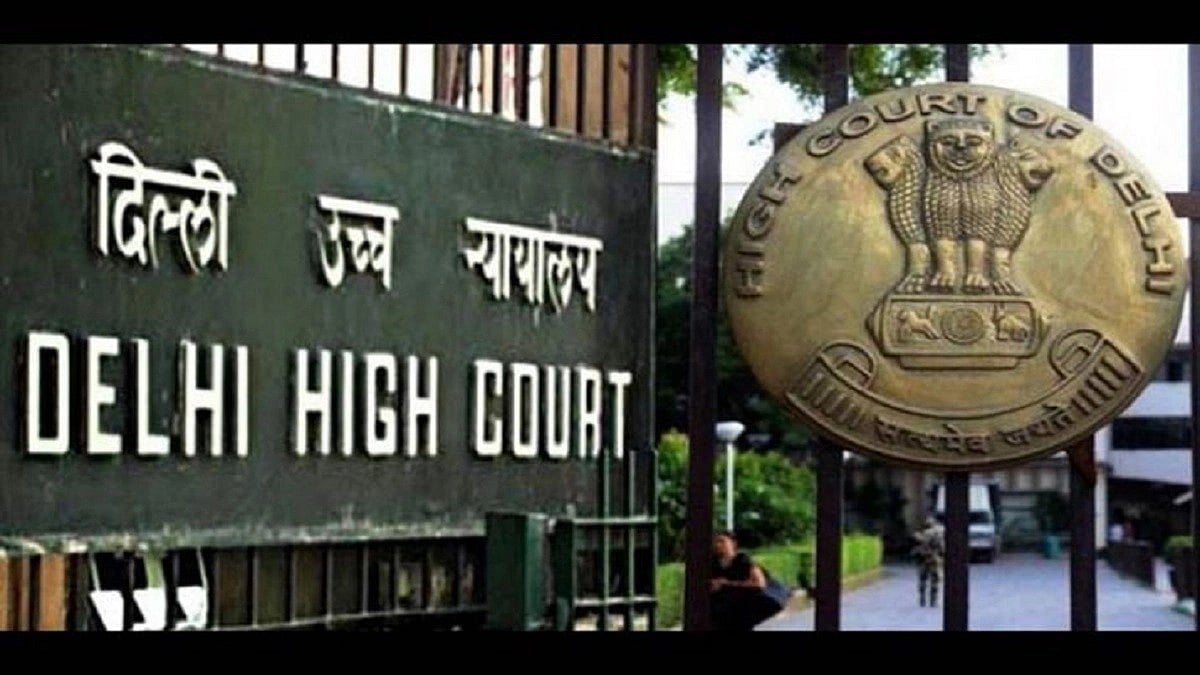
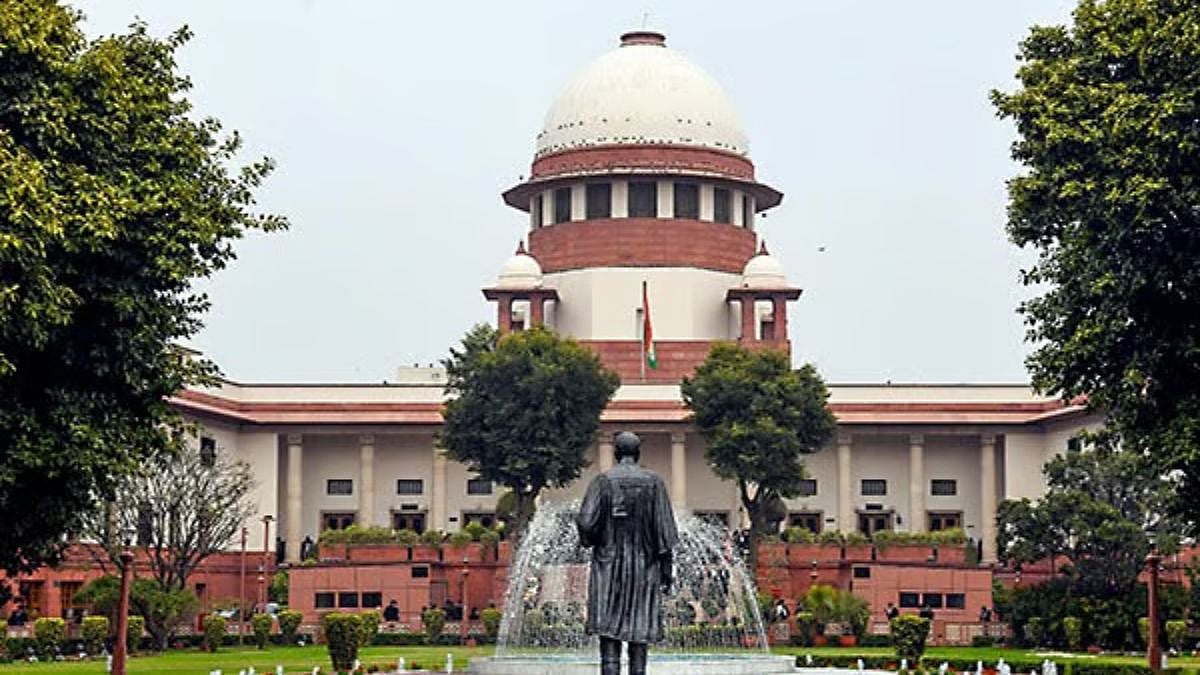
The Delhi High Court has sought responses from the Delhi Police and the Union Government regarding allegations of excessive force used against students during the 'Sansad Chalo' protest on July 20.
The protest was organized by the Cockroach Janta Party over the alleged NEET paper leak. A division bench of Chief Justice Devendra Kumar Upadhyaya and Justice Tejas Karia issued notices to the respondents, giving them four weeks to file their counter affidavits.
The Court has directed the authorities to preserve all records related to the incident, including CCTV footage and videography, pending further proceedings. The petitions were taken up after urgent mentioning, with one petitioner stating that the incident had 'shocked the conscience of the entire nation'.
Senior Advocates N. Hariharan, Gopal Sankaranarayanan, and Vikas Singh appeared for the petitioners, while Additional Solicitor General S.V. Raju represented the Delhi Police and the Union Government. Hariharan argued that the protest at Jantar Mantar started peacefully, with students exercising their constitutional rights under Articles 19 and 21.
He contended that the force allegedly used by the police was disproportionate and 'unimaginable'. Hariharan pointed to videos placed before the Court, alleging that students were beaten with lathis fitted with nails and were subjected to pellets and electric batons, leaving more than 90 protesters injured.
He further claimed that no proclamation prohibiting the assembly had been issued and that the police failed to warn protesters to disperse before using force. According to him, any force used against demonstrators must be proportionate and cannot be punitive.
Hariharan urged the Court to preserve CCTV footage, Police Control Room logs, videography, and orders authorizing the use of tear gas and batons. He also requested the constitution of a Special Investigation Team or an independent probe, arguing that the Delhi Police could not fairly investigate allegations against its own personnel.
Gopal Sankaranarayanan submitted that his legal team had verified nearly 130 videos related to the incident, alleging that several people seen using force were neither in police uniform nor wearing identification badges. He referred to one of the videos, which allegedly showed Additional DCP Sandeep Lamba slapping a woman protester.
The Court's decision to seek responses from the Delhi Police and the Union Government and to preserve evidence is a significant step in addressing the allegations of excessive force used during the protest. The incident has sparked widespread concern and outrage, with many calling for a thorough investigation into the matter.
The 'Sansad Chalo' protest was organized to demand action against the alleged NEET paper leak, which has affected thousands of students across the country. The protest turned violent when police allegedly used excessive force against the protesters, leading to injuries and arrests.
The Delhi High Court's intervention in the matter is crucial in ensuring that the rights of the protesters are protected and that those responsible for the alleged excessive force are held accountable. The Court's decision to preserve evidence, including CCTV footage and videography, will be important in investigating the incident and determining the facts of the case.
In conclusion, the Delhi High Court's response to the allegations of excessive force used during the 'Sansad Chalo' protest is a significant development in the case. The Court's decision to seek responses from the Delhi Police and the Union Government and to preserve evidence will help to ensure that justice is served and that the rights of the protesters are protected.
The incident highlights the need for the police to exercise restraint and proportionate force when dealing with protesters, and for the government to ensure that the rights of citizens are protected. The Delhi High Court's intervention in the matter is a step in the right direction, and it is hoped that the Court's decision will lead to a thorough investigation into the incident and accountability for those responsible.
The case is likely to have significant implications for the rights of protesters in India and the use of force by the police. The Delhi High Court's decision will be closely watched by human rights activists and organizations, who have been critical of the police's handling of the protest.
In the coming weeks, the Delhi Police and the Union Government will be required to file their counter affidavits, which will provide further insight into the incident and the actions of the police. The Court's decision to preserve evidence will also be crucial in determining the facts of the case and ensuring that justice is served.
Overall, the Delhi High Court's response to the allegations of excessive force used during the 'Sansad Chalo' protest is a significant development in the case, and it is hoped that the Court's decision will lead to a thorough investigation into the incident and accountability for those responsible.
Frequently asked questions
What was the 'Sansad Chalo' protest about?
The protest was organized by the Cockroach Janta Party over the alleged NEET paper leak.
What action has the Delhi High Court taken in the case?
The Court has sought responses from the Delhi Police and the Union Government and has ordered the preservation of CCTV footage and videography.