Western Railway Uses Nano Coating To Fight Gutkha Stains
Western Railway tackles gutkha stains with nano coating. 12,265 spitting cases recorded.
'%3E%3Crect%20width%3D'96'%20height%3D'96'%20fill%3D'%23B3261E'%2F%3E%3Ccircle%20cx%3D'30'%20cy%3D'24'%20r%3D'44'%20fill%3D'%23fff'%20opacity%3D'.12'%2F%3E%3Ccircle%20cx%3D'60'%20cy%3D'74'%20r%3D'40'%20fill%3D'%23000'%20opacity%3D'.10'%2F%3E%3C%2Fg%3E%3Cg%20fill%3D'%23fff'%3E%3Crect%20x%3D'29'%20y%3D'49'%20width%3D'8'%20height%3D'19'%20rx%3D'1'%2F%3E%3Crect%20x%3D'39'%20y%3D'40'%20width%3D'9'%20height%3D'28'%20rx%3D'1'%2F%3E%3Crect%20x%3D'50'%20y%3D'45'%20width%3D'8'%20height%3D'23'%20rx%3D'1'%2F%3E%3Crect%20x%3D'60'%20y%3D'53'%20width%3D'7'%20height%3D'15'%20rx%3D'1'%2F%3E%3Crect%20x%3D'41'%20y%3D'34'%20width%3D'5'%20height%3D'6'%2F%3E%3C%2Fg%3E%3C%2Fsvg%3E)
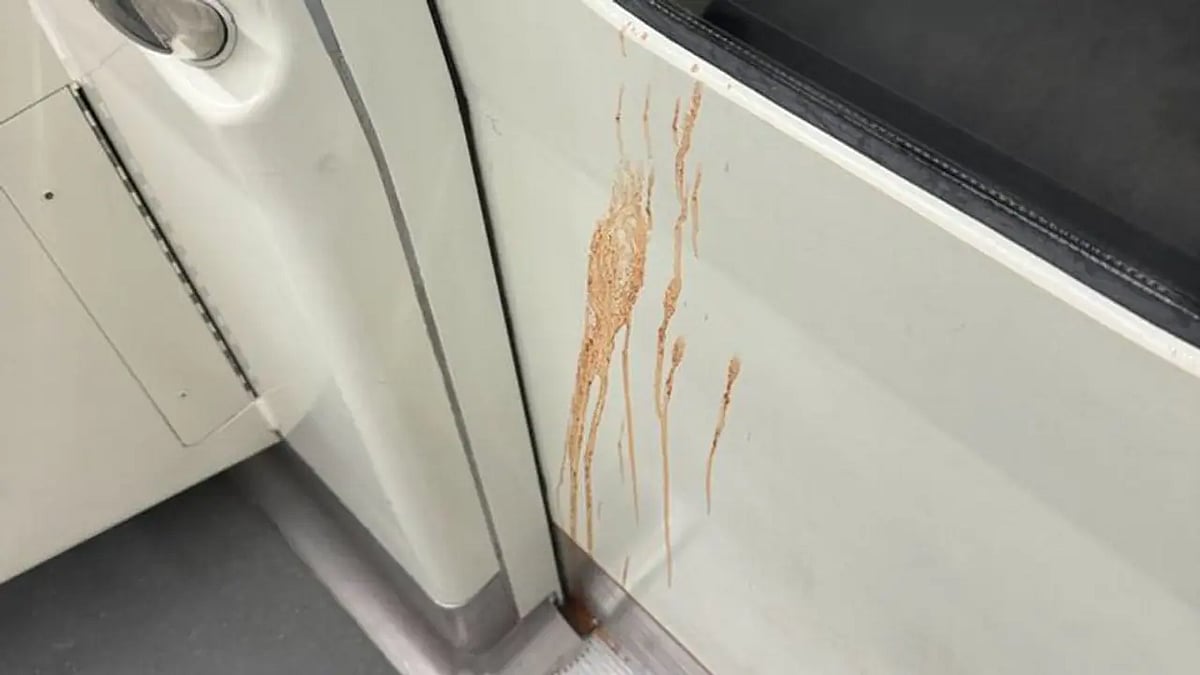
Western Railway has started using a special anti-stain nano coating at high-footfall stations to tackle the problem of gutkha stains. The decision comes after the railway recorded 12,265 cases of spitting and creating unhygienic conditions across 34 suburban stations between April and July this year.
The nano coating, which uses German technology, has already been applied at Dadar and Mumbai Central stations. Khar station is among the next in line to receive the treatment, given its high passenger movement and frequent VIP visits. The coating is designed to prevent gutkha and paan stains from penetrating walls, pillars, and other station surfaces.
According to railway officials, the coating not only resists stains and graffiti but also protects surfaces against rust, weather conditions, and regular wear. The pilot project was carried out at Matunga Road station at a cost of around Rs 5 lakh. Based on its success, Western Railway has begun extending the treatment to other busy stations.
The use of the nano coating is expected to bring down the time required to clean stubborn paan and gutkha stains from around 30 minutes to nearly five minutes. The coating is also expected to last for around five years, potentially reducing expenditure on repeated cleaning and repainting.
The expansion of the nano coating treatment comes alongside a sustained enforcement drive against spitting and littering. Between April 1 and July 31, 2026, Western Railway registered 12,265 cases across 34 stations on the Churchgate-Virar suburban corridor and collected Rs 27.18 lakh in fines. Virar topped the list with 1,242 cases and Rs 4.31 lakh in fines, followed by Borivali with 1,016 cases and Rs 2.09 lakh.
For Western Railway, the strategy is not to depend on technology alone. Fines, passenger awareness, and regular cleaning will continue alongside the anti-stain treatment, particularly at busy stations where heavy footfall makes maintaining walls, staircases, and other public areas a daily challenge.
The problem of gutkha stains is a long-standing one in Mumbai's railway stations. The use of the nano coating is a welcome move, as it is expected to make cleaning easier and more efficient. With the expansion of the treatment to more stations, commuters can expect to see cleaner and more hygienic public areas.
The initiative is also part of a broader effort to improve the overall cleanliness and hygiene of Mumbai's railway stations. Western Railway has been working to improve passenger amenities and facilities, and the use of the nano coating is a step in the right direction.
In conclusion, the use of the nano coating by Western Railway is a positive move towards tackling the problem of gutkha stains in Mumbai's railway stations. With its expected benefits of easier cleaning and reduced expenditure, the initiative is a welcome step towards improving the overall cleanliness and hygiene of the city's public transport system.
Frequently asked questions
What is the purpose of the nano coating used by Western Railway?
The nano coating is used to prevent gutkha and paan stains from penetrating walls, pillars, and other station surfaces.
How many cases of spitting and littering were recorded by Western Railway between April and July 2026?
Western Railway recorded 12,265 cases across 34 stations on the Churchgate-Virar suburban corridor.