Mumbai Metro 3 Bans Cycles for Last-Mile Connectivity
Mumbai Metro 3 prohibits cycles, urban planners and architects question rule.
'%3E%3Crect%20width%3D'96'%20height%3D'96'%20fill%3D'%23B3261E'%2F%3E%3Ccircle%20cx%3D'30'%20cy%3D'24'%20r%3D'44'%20fill%3D'%23fff'%20opacity%3D'.12'%2F%3E%3Ccircle%20cx%3D'60'%20cy%3D'74'%20r%3D'40'%20fill%3D'%23000'%20opacity%3D'.10'%2F%3E%3C%2Fg%3E%3Cg%20fill%3D'%23fff'%3E%3Crect%20x%3D'29'%20y%3D'49'%20width%3D'8'%20height%3D'19'%20rx%3D'1'%2F%3E%3Crect%20x%3D'39'%20y%3D'40'%20width%3D'9'%20height%3D'28'%20rx%3D'1'%2F%3E%3Crect%20x%3D'50'%20y%3D'45'%20width%3D'8'%20height%3D'23'%20rx%3D'1'%2F%3E%3Crect%20x%3D'60'%20y%3D'53'%20width%3D'7'%20height%3D'15'%20rx%3D'1'%2F%3E%3Crect%20x%3D'41'%20y%3D'34'%20width%3D'5'%20height%3D'6'%2F%3E%3C%2Fg%3E%3C%2Fsvg%3E)
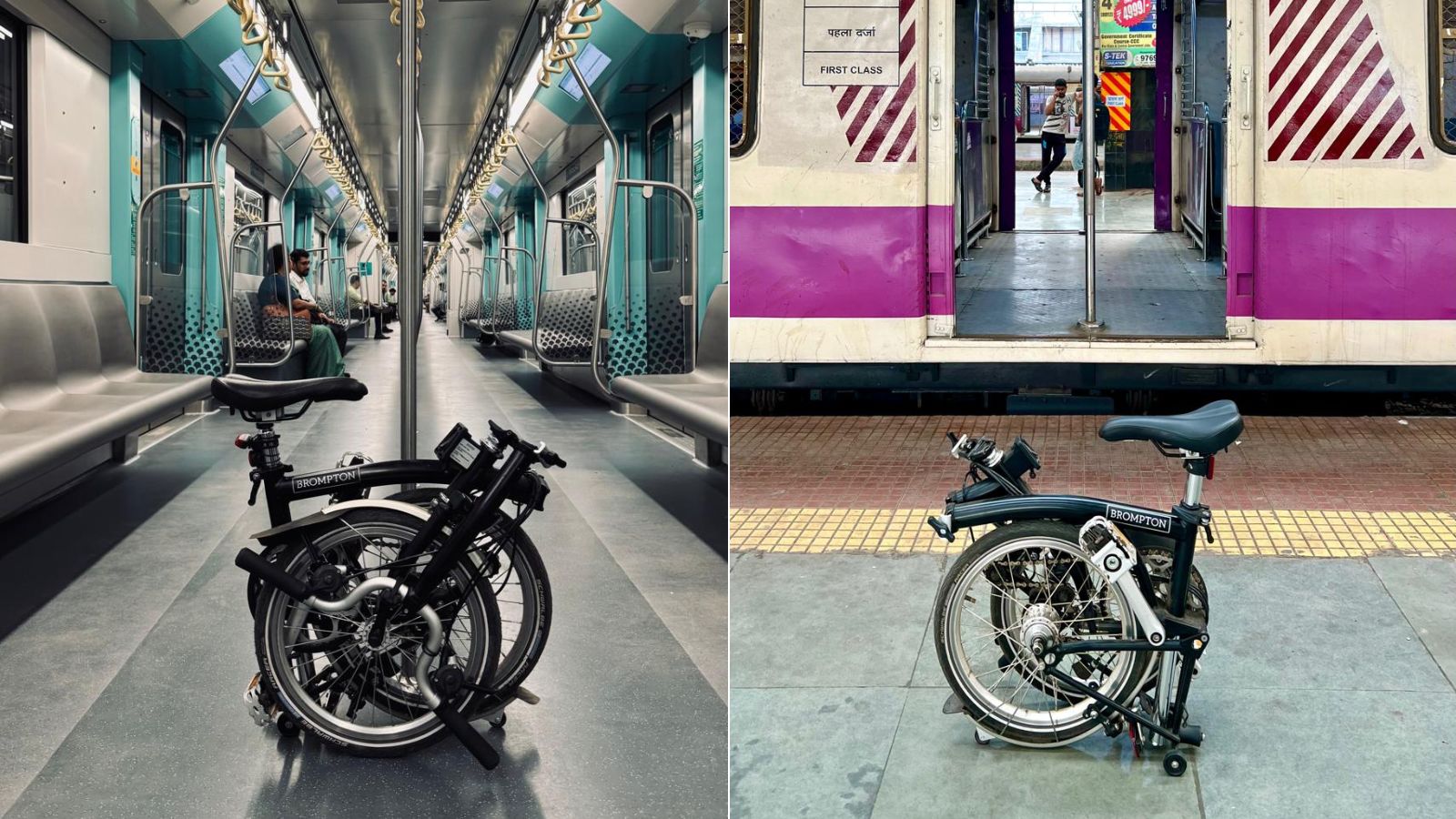
Mumbai's Metro 3 has banned the use of cycles for last-mile connectivity, sparking criticism from urban planners and architects. The decision has been met with disappointment, as many had hoped that the metro system would promote eco-friendly and sustainable modes of transportation.
According to urban planners, the ban on cycles will discourage people from using the metro, especially for short distances. They argue that cycles are an efficient and environmentally friendly way to cover the last mile of a commute. Architects also point out that the ban is counterintuitive, given the city's efforts to reduce traffic congestion and promote sustainable transportation.
The Mumbai Metro 3 project aims to provide a convenient and efficient mode of transportation for commuters. However, the ban on cycles has raised questions about the project's commitment to sustainability. Urban planners and architects are calling for a review of the policy, citing the need to promote eco-friendly modes of transportation.
Mumbai has been actively promoting the use of cycles as a mode of transportation, with the city's cycling plan aiming to increase the number of cyclists on the road. The plan includes the development of dedicated cycling lanes and the promotion of cycling as a safe and convenient mode of transportation.
The ban on cycles on Metro 3 has sparked a debate about the city's transportation policies. While the metro system is expected to reduce traffic congestion, the ban on cycles may undermine the city's efforts to promote sustainable transportation. Urban planners and architects are urging the authorities to reconsider the policy and promote the use of cycles as a mode of last-mile connectivity.
The decision to ban cycles on Metro 3 has significant implications for the city's transportation landscape. As Mumbai continues to grow and develop, it is essential that the city's transportation policies prioritize sustainability and eco-friendliness. The ban on cycles on Metro 3 is a step in the wrong direction, and it is hoped that the authorities will review the policy and promote the use of cycles as a mode of last-mile connectivity.
In conclusion, the ban on cycles on Metro 3 has sparked criticism from urban planners and architects, who argue that the policy is counterintuitive and undermines the city's efforts to promote sustainable transportation. As Mumbai continues to develop its transportation infrastructure, it is essential that the city prioritizes eco-friendly and sustainable modes of transportation.
Frequently asked questions
Why has Mumbai Metro 3 banned cycles for last-mile connectivity?
The reason for the ban is not explicitly stated, but urban planners and architects are questioning the rule.
What are the implications of the ban on cycles for Mumbai's transportation landscape?
The ban may undermine the city's efforts to promote sustainable transportation and reduce traffic congestion.