Mark Zuckerberg Apologises to India Over CSAM, Deepfakes
Meta CEO regrets lapses, India warns of safe harbour loss. Discussions held with government officials.
'%3E%3Crect%20width%3D'96'%20height%3D'96'%20fill%3D'%234A235A'%2F%3E%3Ccircle%20cx%3D'30'%20cy%3D'24'%20r%3D'44'%20fill%3D'%23fff'%20opacity%3D'.12'%2F%3E%3Ccircle%20cx%3D'60'%20cy%3D'74'%20r%3D'40'%20fill%3D'%23000'%20opacity%3D'.10'%2F%3E%3C%2Fg%3E%3Cg%20fill%3D'none'%20stroke%3D'%23fff'%20stroke-width%3D'3'%3E%3Ccircle%20cx%3D'48'%20cy%3D'48'%20r%3D'16'%2F%3E%3Cellipse%20cx%3D'48'%20cy%3D'48'%20rx%3D'6.5'%20ry%3D'16'%2F%3E%3Cline%20x1%3D'32'%20y1%3D'42'%20x2%3D'64'%20y2%3D'42'%2F%3E%3Cline%20x1%3D'32'%20y1%3D'54'%20x2%3D'64'%20y2%3D'54'%2F%3E%3C%2Fg%3E%3C%2Fsvg%3E)
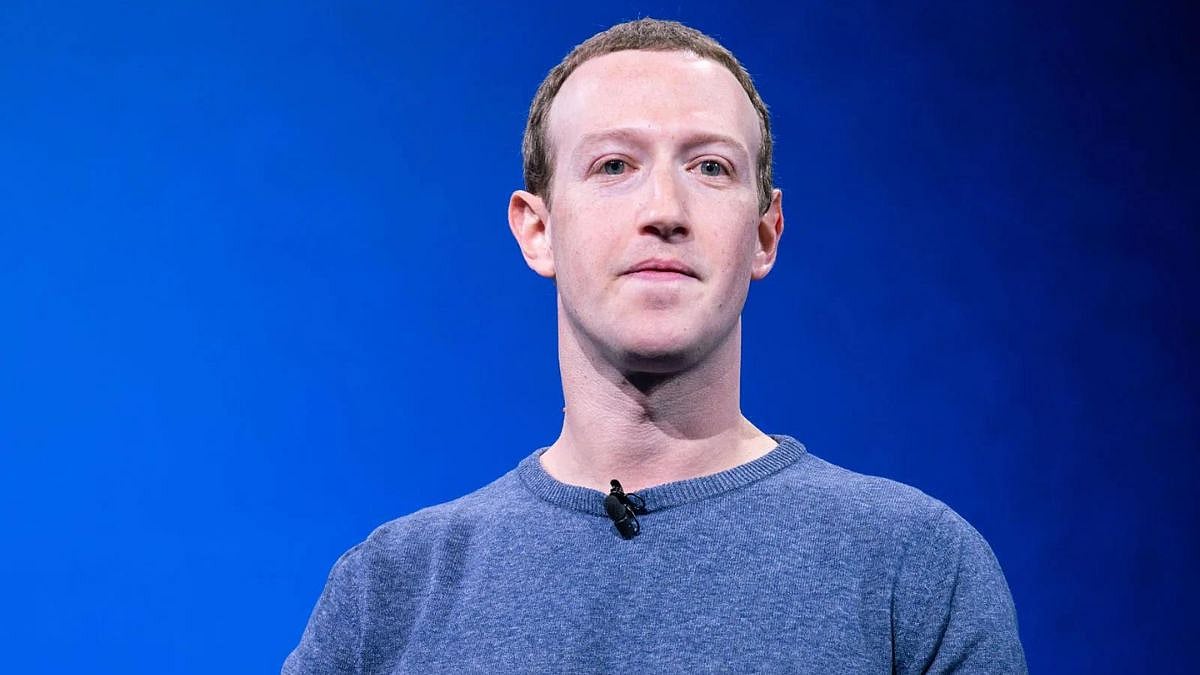
Mark Zuckerberg, CEO of Meta, has apologised to the Indian government for the presence of child sexual abuse material (CSAM) and deepfake content on Meta platforms, including Facebook and Instagram. The apology was made during high-level discussions with Indian authorities, where Zuckerberg expressed regret over the issues.
The discussions, which were held with government officials, also covered the temporary removal of a video posted by Prime Minister Narendra Modi. The video was unavailable for around four to five hours before being restored, and Meta attributed the incident to a technical error involving its automated filtering systems.
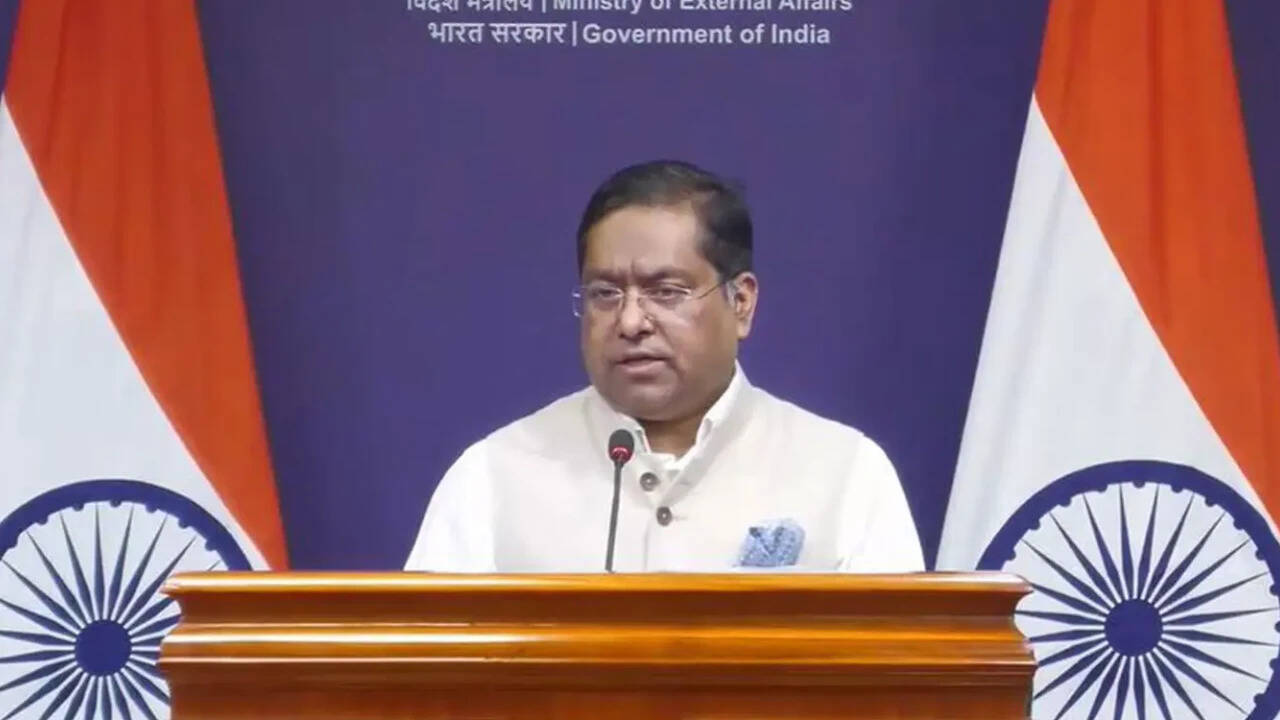
Indian officials warned Meta that it could risk losing its intermediary, or 'safe harbour', protections under the Information Technology Act if it is found to actively control the selection and distribution of content. This means that if Meta decides which users receive specific content, it may not qualify for intermediary protection under Indian law.
The meetings also discussed concerns over CSAM, including material allegedly appearing in paid advertisements, as well as the spread of AI-generated deepfakes. Meta representatives acknowledged that significant sums had been paid to promote certain categories of content.
The Indian government has been critical of Meta's handling of CSAM and deepfakes, and has sought an unconditional apology from Zuckerberg. While there has been no public statement or video from Zuckerberg confirming the reported apology, the discussions with Indian officials mark a significant step in addressing the issues.
The presence of CSAM and deepfakes on social media platforms has been a major concern for governments around the world. India has been actively working to regulate social media companies and ensure that they comply with its laws and regulations.
The safe harbour protections under the Information Technology Act are crucial for social media companies, as they provide them with immunity from liability for user-generated content. However, if Meta is found to be actively controlling the selection and distribution of content, it may lose these protections and face legal consequences.
The discussions between Meta and the Indian government are ongoing, and it remains to be seen how the issues will be resolved. However, the apology from Zuckerberg marks a significant step in acknowledging the problems and working towards a solution.
The incident has highlighted the need for social media companies to be more responsible and proactive in addressing issues related to CSAM and deepfakes. It has also underscored the importance of governments working with social media companies to regulate their activities and ensure that they comply with laws and regulations.
In conclusion, the apology from Mark Zuckerberg to the Indian government over CSAM and deepfakes is a significant development. It marks a step towards acknowledging the problems and working towards a solution. However, more needs to be done to address the issues and ensure that social media companies are held accountable for their actions.
Frequently asked questions
What was Mark Zuckerberg's apology about?
Mark Zuckerberg apologised for the presence of child sexual abuse material (CSAM) and deepfake content on Meta platforms.
What did Indian officials warn Meta about?
Indian officials warned Meta that it could risk losing its intermediary, or 'safe harbour', protections under the Information Technology Act if it is found to actively control the selection and distribution of content.