Mumbai Lacks Space for Dissent
Mumbai struggles with limited space for dissent, sparking concerns about freedom of expression. What's behind this issue?
'%3E%3Crect%20width%3D'96'%20height%3D'96'%20fill%3D'%23B3261E'%2F%3E%3Ccircle%20cx%3D'30'%20cy%3D'24'%20r%3D'44'%20fill%3D'%23fff'%20opacity%3D'.12'%2F%3E%3Ccircle%20cx%3D'60'%20cy%3D'74'%20r%3D'40'%20fill%3D'%23000'%20opacity%3D'.10'%2F%3E%3C%2Fg%3E%3Cg%20fill%3D'%23fff'%3E%3Crect%20x%3D'29'%20y%3D'49'%20width%3D'8'%20height%3D'19'%20rx%3D'1'%2F%3E%3Crect%20x%3D'39'%20y%3D'40'%20width%3D'9'%20height%3D'28'%20rx%3D'1'%2F%3E%3Crect%20x%3D'50'%20y%3D'45'%20width%3D'8'%20height%3D'23'%20rx%3D'1'%2F%3E%3Crect%20x%3D'60'%20y%3D'53'%20width%3D'7'%20height%3D'15'%20rx%3D'1'%2F%3E%3Crect%20x%3D'41'%20y%3D'34'%20width%3D'5'%20height%3D'6'%2F%3E%3C%2Fg%3E%3C%2Fsvg%3E)
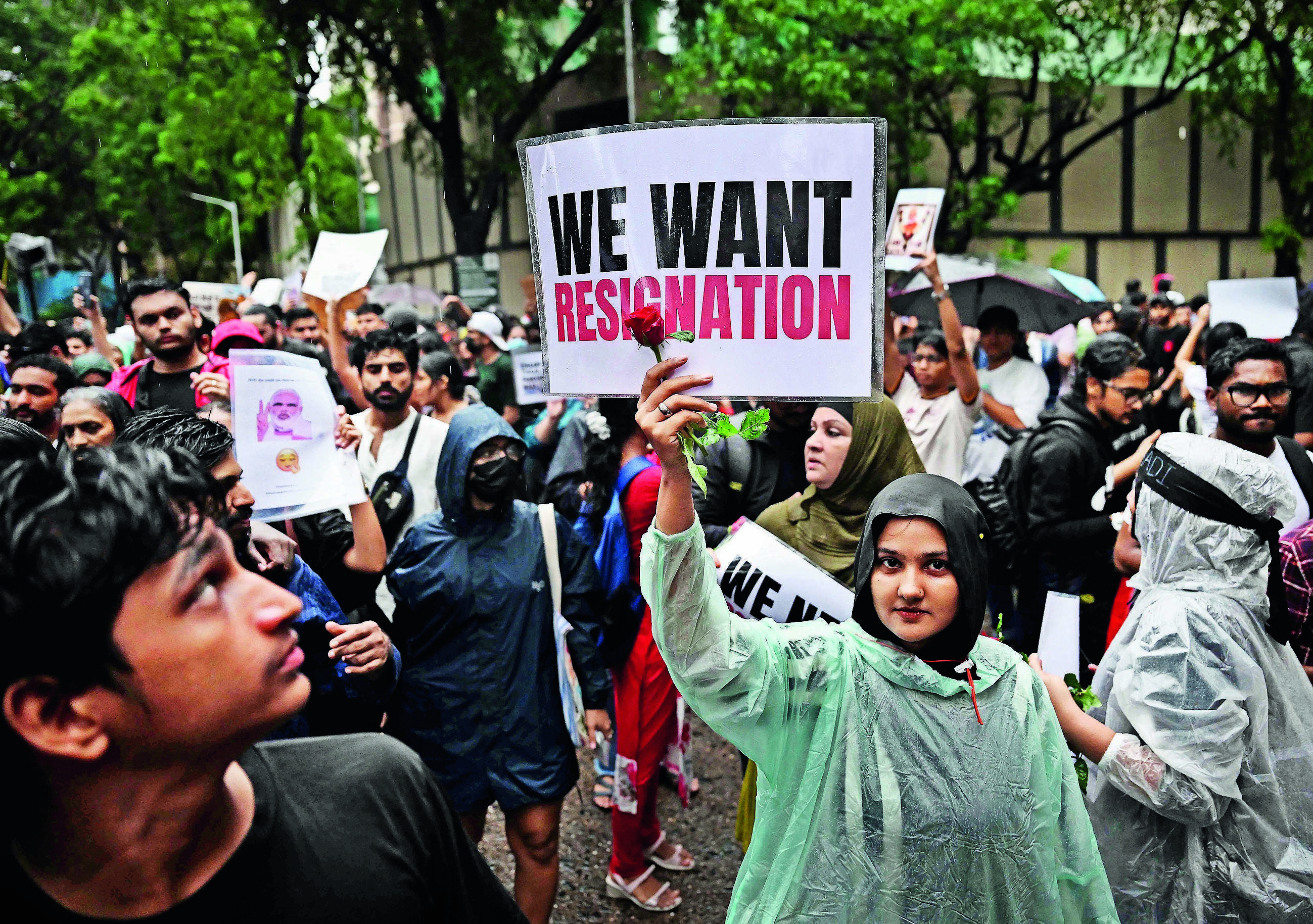
Mumbai, known for its vibrant culture and diverse population, is facing a unique challenge - the lack of space for dissent. This issue has sparked concerns about the freedom of expression and the ability of citizens to voice their opinions.
The city's streets, once a hub for protests and demonstrations, are now increasingly being restricted due to various reasons. The Mumbai Police has been imposing strict rules and regulations, making it difficult for people to organize and participate in protests.
The situation has been exacerbated by the city's rapid urbanization and the subsequent rise in real estate prices. Many public spaces, such as parks and gardens, are being converted into commercial areas, leaving little room for people to gather and express their opinions.
The BMC, responsible for maintaining public spaces, has been criticized for its role in limiting the availability of these areas. The corporation's focus on generating revenue has led to the commercialization of public spaces, making it challenging for citizens to find areas to protest.
The lack of space for dissent has significant implications for the city's democratic fabric. It restricts the ability of citizens to participate in the democratic process and express their opinions on important issues.
In recent years, there have been several instances where protests and demonstrations have been restricted or banned in Mumbai. This has led to concerns about the erosion of democratic values and the freedom of expression.
The issue is not unique to Mumbai, as many cities across India are facing similar challenges. However, the city's unique cultural and demographic landscape makes it an important hub for dissent and protest.
The need for space for dissent is essential in a democratic society. It allows citizens to express their opinions, participate in the democratic process, and hold those in power accountable.
In conclusion, the lack of space for dissent in Mumbai is a pressing concern that needs to be addressed. The city's authorities must work towards creating and maintaining public spaces that allow citizens to express their opinions and participate in the democratic process.
Frequently asked questions
Why is Mumbai lacking space for dissent?
The city's rapid urbanization and rise in real estate prices have led to the commercialization of public spaces, making it difficult for people to gather and express their opinions.
What are the implications of limited space for dissent?
It restricts the ability of citizens to participate in the democratic process and express their opinions on important issues, eroding democratic values and the freedom of expression.