Bombay HC Asks SBI, ED To Respond To Mallya's Plea
Vijay Mallya challenges use of confiscated assets, Bombay HC seeks responses from SBI and ED.
'%3E%3Crect%20width%3D'96'%20height%3D'96'%20fill%3D'%23B3261E'%2F%3E%3Ccircle%20cx%3D'30'%20cy%3D'24'%20r%3D'44'%20fill%3D'%23fff'%20opacity%3D'.12'%2F%3E%3Ccircle%20cx%3D'60'%20cy%3D'74'%20r%3D'40'%20fill%3D'%23000'%20opacity%3D'.10'%2F%3E%3C%2Fg%3E%3Cg%20fill%3D'%23fff'%3E%3Crect%20x%3D'29'%20y%3D'49'%20width%3D'8'%20height%3D'19'%20rx%3D'1'%2F%3E%3Crect%20x%3D'39'%20y%3D'40'%20width%3D'9'%20height%3D'28'%20rx%3D'1'%2F%3E%3Crect%20x%3D'50'%20y%3D'45'%20width%3D'8'%20height%3D'23'%20rx%3D'1'%2F%3E%3Crect%20x%3D'60'%20y%3D'53'%20width%3D'7'%20height%3D'15'%20rx%3D'1'%2F%3E%3Crect%20x%3D'41'%20y%3D'34'%20width%3D'5'%20height%3D'6'%2F%3E%3C%2Fg%3E%3C%2Fsvg%3E)
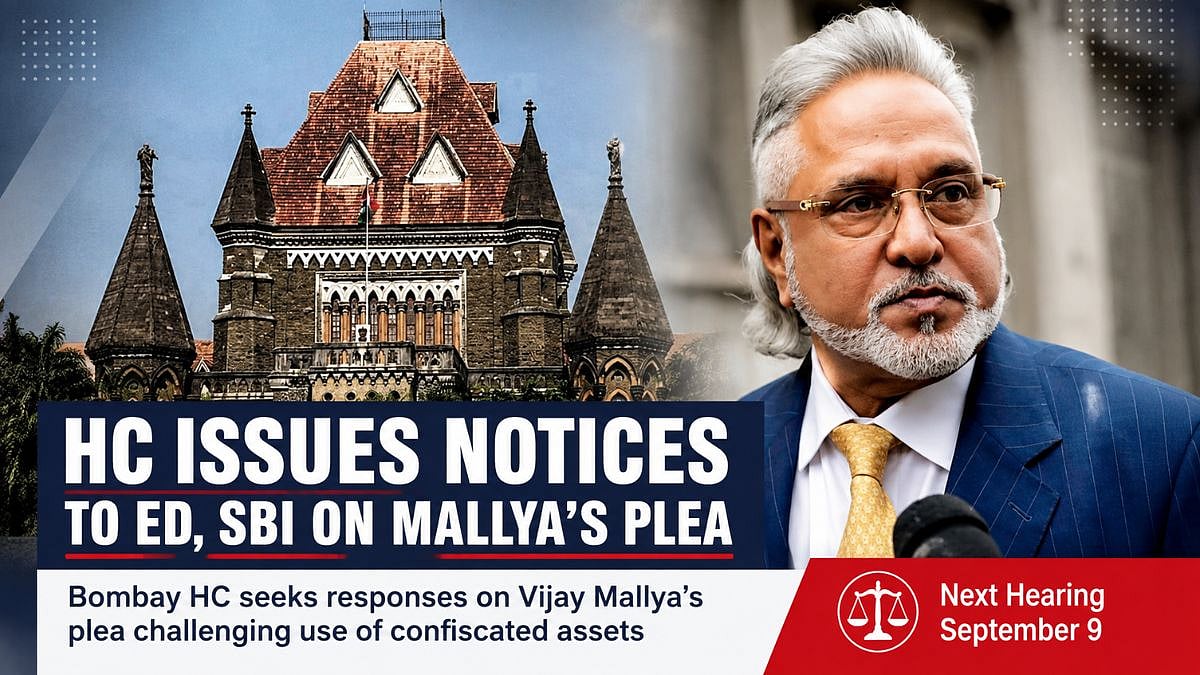
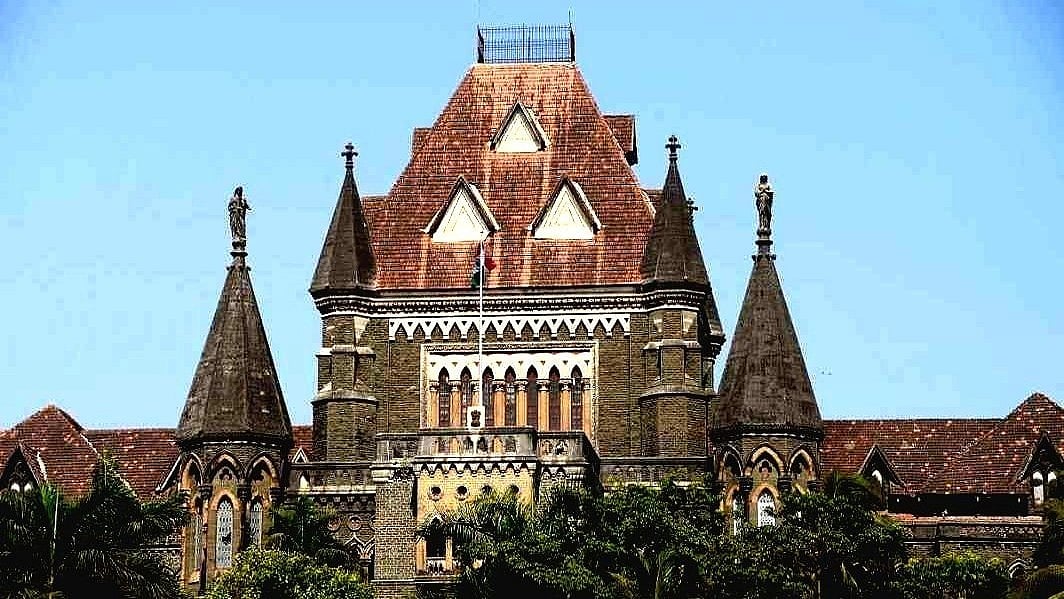
The Bombay High Court has sought responses from the State Bank of India (SBI) and the Enforcement Directorate (ED) regarding a plea filed by former liquor baron Vijay Mallya.
Mallya's plea challenges an order allowing a consortium of banks to use confiscated assets for recovery of loans. The plea was filed in January 2020 and challenges a 2019 order of the Special PMLA Court in Mumbai.
The matter was heard by Justice Milind Jadhav, who directed SBI and the Deputy Director of the ED to respond to Mallya's submissions. The court has scheduled the next hearing for September 9.
Mallya's application relates to assets seized by the ED in connection with the case. His advocate, Amit Desai, argued that the situation had changed considerably since the plea was filed and that most of the assets attached in the original proceedings had since been dealt with.
Desai also submitted that the consortium of banks had recovered approximately Rs 15,000 crore from Mallya, against an original claim of about Rs 6,203 crore, including interest. However, the court noted that this figure would have to be verified by the banks.
The court also noted that four to five similar matters were pending and said it would consider the further course of action after hearing the ED. Justice Jadhav allowed Mallya to file an additional affidavit setting out developments that had taken place since the application was filed.
A copy of the affidavit will have to be served on SBI and the ED for their response. The court clarified that it would decide whether to issue notices to the other respondents only after hearing the ED.
The case against Mallya began several years ago, with the ED seizing assets in connection with the case. Mallya's plea is an attempt to challenge the use of these confiscated assets for recovery of loans.
The outcome of this case will have significant implications for Mallya and the consortium of banks. The court's decision will determine whether the confiscated assets can be used for recovery of loans, and will also impact the ongoing dispute between Mallya and the banks.
In the broader context, this case highlights the complexities of recovering loans from defaulters. The use of confiscated assets for recovery of loans is a common practice, but it can be challenged in court. The outcome of this case will provide clarity on the use of confiscated assets for recovery of loans, and will have implications for banks and defaulters alike.
The case is significant for Mumbai, as it involves a high-profile defaulter and a large consortium of banks. The outcome of the case will be closely watched by the banking industry and the general public.
In conclusion, the Bombay High Court has sought responses from SBI and ED regarding Mallya's plea challenging the use of confiscated assets for recovery of loans. The court's decision will have significant implications for Mallya, the consortium of banks, and the broader banking industry.
Frequently asked questions
What is the status of Vijay Mallya's plea in the Bombay High Court?
The Bombay High Court has sought responses from SBI and ED regarding Mallya's plea challenging the use of confiscated assets for recovery of loans.
How much has the consortium of banks recovered from Vijay Mallya?
The consortium of banks has recovered approximately Rs 15,000 crore from Mallya, against an original claim of about Rs 6,203 crore, including interest.