RBI Warns NBFCs Against Weakening Lending Safeguards Amid Growth
NBFCs and HFCs enter new growth phase, RBI cautions against weakening standards. Credit rises to 16.7% of nominal GDP.
'%3E%3Crect%20width%3D'96'%20height%3D'96'%20fill%3D'%230B6E4F'%2F%3E%3Ccircle%20cx%3D'30'%20cy%3D'24'%20r%3D'44'%20fill%3D'%23fff'%20opacity%3D'.12'%2F%3E%3Ccircle%20cx%3D'60'%20cy%3D'74'%20r%3D'40'%20fill%3D'%23000'%20opacity%3D'.10'%2F%3E%3C%2Fg%3E%3Cg%20fill%3D'none'%20stroke%3D'%23fff'%20stroke-width%3D'3.2'%20stroke-linecap%3D'round'%20stroke-linejoin%3D'round'%3E%3Cpolyline%20points%3D'31%2C59%2041%2C49%2049%2C54%2063%2C37'%2F%3E%3Cpolyline%20points%3D'55%2C37%2063%2C37%2063%2C45'%2F%3E%3C%2Fg%3E%3C%2Fsvg%3E)
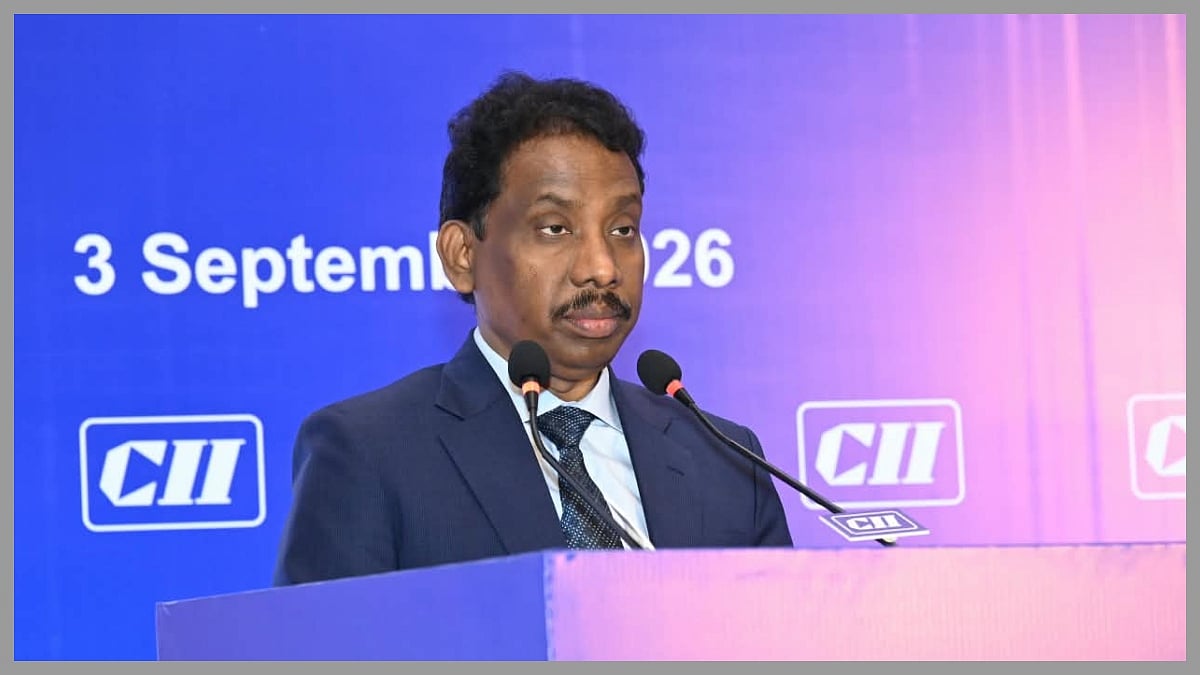
RBI Deputy Governor Murmu addressed the 7th CII NBFC and HFC Summit in Mumbai, stating that non-banking financial companies (NBFCs) and housing finance companies (HFCs) have moved beyond their traditional role as alternative lenders. They have become specialized financial institutions that complement banks by serving remote areas, underserved borrowers, and niche markets.
Murmu added that NBFCs and HFCs have a significant opportunity to deepen credit, but growth must not weaken lending standards, governance, or customer protection. The official noted that NBFC credit has risen to 16.7 percent of nominal GDP from 15.9 percent a year earlier, equivalent to 27 percent of credit extended by scheduled commercial banks.
The credit gap, particularly for MSMEs, creates an opportunity for NBFCs and HFCs to expand. They can utilize India's digital public infrastructure, including Aadhaar, UPI, Account Aggregators, and the Unified Lending Interface, to lower borrowing costs and accelerate disbursements. Consent-based data sharing and cash-flow-based assessments could reduce dependence on physical collateral, helping lenders serve MSMEs, microfinance customers, and borrowers in remote areas.
However, the Deputy Governor cautioned that past liquidity shocks had exposed weak asset management, dependence on short-term wholesale funding, and vulnerabilities arising from links with the financial system. Boards and senior management must foster compliance and ethical cultures. NBFCs and HFCs should diversify funding sources, strengthen liquidity management, and use securitization for risk transfer and capital release.
As lending accelerates, institutions must deploy rigorous stress tests, early-warning systems, and dynamic provisioning. Artificial intelligence and machine learning can help detect signs of borrower stress, but growth must never undermine credit standards. Customer trust must remain central as innovation gathers pace, with responsible lending, fair recovery practices, and effective grievance redressal being essential, particularly for vulnerable borrowers.
The sector must invest in cyber resilience and data protection as it adopts AI, blockchain, and other digital tools. The RBI will continue supporting responsible innovation through proportionate regulation while safeguarding financial stability. The Deputy Governor emphasized that growth must not compromise lending standards, governance, or customer protection.
In conclusion, the NBFC and HFC sector is poised for growth, but it is crucial that they maintain robust lending standards, governance, and customer protection. The RBI's warnings and guidelines aim to ensure that the sector expands responsibly, without compromising financial stability.
The growth of NBFCs and HFCs is significant for India's economy, as they play a vital role in serving underserved borrowers and niche markets. Their ability to deepen credit and provide specialized financial services can support economic growth and development. However, it is essential that they prioritize responsible lending practices, customer protection, and financial stability to maintain trust and confidence in the sector.
Overall, the RBI's warnings and guidelines are timely and necessary, as the NBFC and HFC sector enters a new growth phase. By maintaining robust lending standards, governance, and customer protection, the sector can expand responsibly and contribute to India's economic growth and development.
The RBI's emphasis on responsible innovation, proportionate regulation, and financial stability is crucial for the sector's growth and development. The use of digital tools, such as AI and blockchain, can support efficient and effective lending practices, but it is essential that the sector prioritizes cyber resilience and data protection.
In the end, the growth of NBFCs and HFCs must be balanced with responsible lending practices, customer protection, and financial stability. The RBI's warnings and guidelines provide a framework for the sector to expand responsibly and contribute to India's economic growth and development.
Frequently asked questions
What is the RBI's stance on NBFC growth?
The RBI warns against weakening lending standards, governance, or customer protection amidst growth