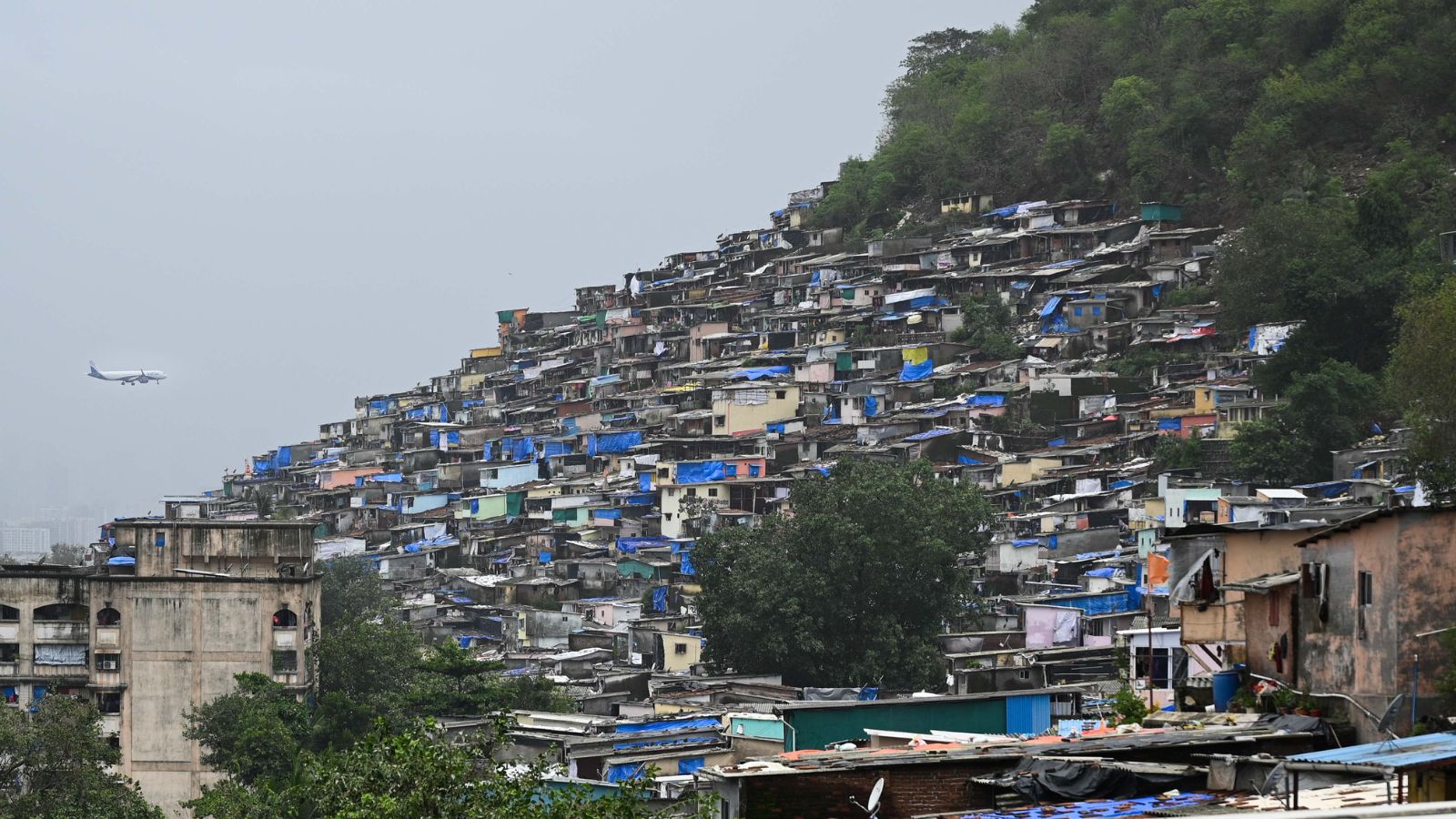
Mhada Act Amended, 13,000 Buildings to be Redeveloped
Mhada Act amended, 13,000 dilapidated buildings in Mumbai to be redeveloped, clearing way for new constructions.

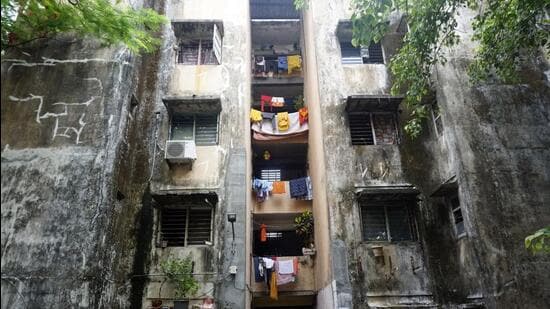
A significant amendment to the Maharashtra Housing and Area Development (Mhada) Act was passed in both houses of the legislature on Friday, paving the way for the redevelopment of over 13,000 dilapidated buildings in Mumbai.
The amendment aims to address the long-standing issue of crumbling buildings in the city, which have been a concern for residents and authorities alike. With this change, the redevelopment of these structures can now move forward, bringing relief to thousands of families living in unsafe conditions.
According to officials, the amendment will enable the redevelopment of buildings that are over 30 years old and have been deemed dilapidated. This will not only improve the living conditions of residents but also boost the city's infrastructure and real estate market.
Mhada, the state housing agency, has been working to identify and categorize dilapidated buildings in Mumbai. The agency has already identified over 13,000 such buildings, which will now be eligible for redevelopment under the amended Act.
The redevelopment process is expected to involve collaboration between Mhada, private developers, and residents of the affected buildings. While the exact details of the process are still being worked out, officials say that it will prioritize the safety and well-being of residents, as well as the preservation of the city's architectural heritage.
Mumbai's dilapidated buildings have been a major concern for years, with many structures posing a risk to the lives of residents and pedestrians. The amendment to the Mhada Act is seen as a crucial step towards addressing this issue and creating safer, more modern living spaces for the city's residents.
The city's real estate market is also expected to benefit from the amendment, as the redevelopment of dilapidated buildings will open up new opportunities for construction and investment. However, officials say that the primary focus will remain on ensuring the safety and well-being of residents, rather than solely on promoting real estate development.
As the redevelopment process moves forward, residents of dilapidated buildings can expect significant improvements to their living conditions. The amended Mhada Act is a major step towards creating a safer, more sustainable, and more modern Mumbai.
In the broader context, the amendment to the Mhada Act reflects the state government's efforts to address the city's long-standing infrastructure challenges. With Mumbai's population continuing to grow, the need for safe, modern, and affordable housing has never been more pressing. The redevelopment of dilapidated buildings is a critical part of this effort, and the amended Mhada Act is a major step towards achieving this goal.
The impact of the amendment will be felt across the city, as thousands of families are relocated to safer, more modern buildings. While there may be some short-term disruptions to residents and businesses, the long-term benefits of the redevelopment process are expected to far outweigh any temporary inconveniences.
In conclusion, the amendment to the Mhada Act is a significant development for Mumbai, paving the way for the redevelopment of over 13,000 dilapidated buildings. As the city continues to grow and evolve, this change will play a critical role in shaping its future, creating safer, more sustainable, and more modern living spaces for its residents.