NTA Plans Global Expansion Of Digital Exam Framework
NTA to expand digital exam framework globally, BRICS nations targeted. Domestic systems to be strengthened first.
'%3E%3Crect%20width%3D'96'%20height%3D'96'%20fill%3D'%234A235A'%2F%3E%3Ccircle%20cx%3D'30'%20cy%3D'24'%20r%3D'44'%20fill%3D'%23fff'%20opacity%3D'.12'%2F%3E%3Ccircle%20cx%3D'60'%20cy%3D'74'%20r%3D'40'%20fill%3D'%23000'%20opacity%3D'.10'%2F%3E%3C%2Fg%3E%3Cg%20fill%3D'none'%20stroke%3D'%23fff'%20stroke-width%3D'3'%3E%3Ccircle%20cx%3D'48'%20cy%3D'48'%20r%3D'16'%2F%3E%3Cellipse%20cx%3D'48'%20cy%3D'48'%20rx%3D'6.5'%20ry%3D'16'%2F%3E%3Cline%20x1%3D'32'%20y1%3D'42'%20x2%3D'64'%20y2%3D'42'%2F%3E%3Cline%20x1%3D'32'%20y1%3D'54'%20x2%3D'64'%20y2%3D'54'%2F%3E%3C%2Fg%3E%3C%2Fsvg%3E)
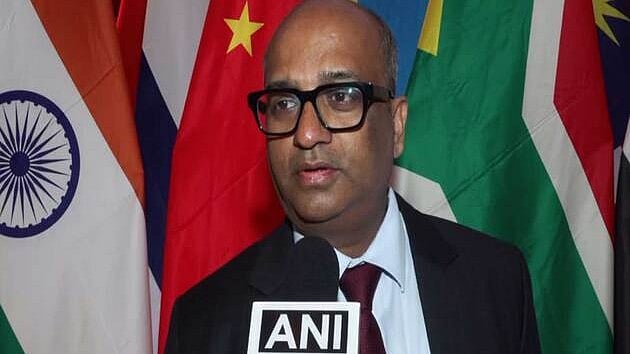
The National Testing Agency (NTA) is planning to expand its digital examination framework globally, with a focus on the BRICS nations. According to NTA Director General Abhishek Singh, the agency's immediate priority is to strengthen its core infrastructure within India, ensuring error-free and fair assessments.
The NTA's dual roadmap involves consolidating domestic systems and laying the groundwork for international technology sharing and cross-border examination services. Singh emphasized that the agency's indigenous examination framework can serve as a scalable digital public good for other nations.
To achieve this goal, the NTA is leveraging artificial intelligence (AI) and biometric verification to prevent fraud and ensure the integrity of examinations. The agency is using Aadhaar-based and face authentication methods to verify candidates, which has solved the problem of impersonation and fraud.
The NTA is also phasing out pen-and-paper formats in favor of Computer-Based Testing (CBT). Most major NTA entrance tests, including JEE Main, CUET, UGC NET, and NIFT, are already conducted in CBT mode. The NEET examination, which is currently conducted in pen-and-paper mode, will also be transitioned to CBT soon.
Singh highlighted the importance of strengthening domestic systems before offering solutions internationally. He emphasized that the NTA's testing framework must be robust and error-free before it can be shared with other countries.
The NTA's plans for global expansion are significant, as it can provide a scalable and secure digital examination framework for other nations. The agency's use of AI and biometric verification can help prevent fraud and ensure the integrity of examinations, making it an attractive option for countries looking to adopt digital examination systems.
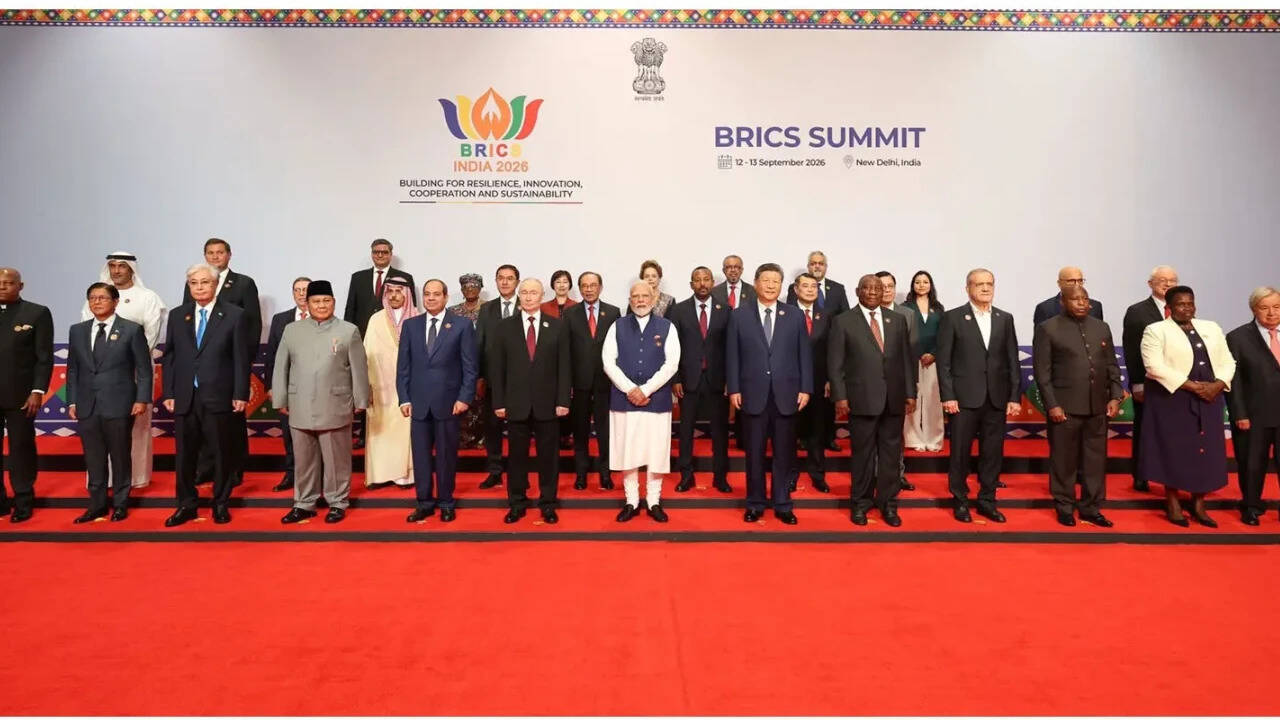
The BRICS nations, which include Brazil, Russia, India, China, and South Africa, are a key target for the NTA's global expansion plans. The agency's digital examination framework can help these countries improve their education systems and provide a more secure and efficient way of conducting examinations.
In conclusion, the NTA's plans for global expansion are a significant step forward in the adoption of digital examination systems. The agency's use of AI and biometric verification, combined with its plans to phase out pen-and-paper formats, make it an attractive option for countries looking to improve their education systems.
The NTA's global expansion plans also have significant implications for India's education system. The agency's digital examination framework can help improve the integrity and efficiency of examinations, making it a more attractive option for students and institutions.
Overall, the NTA's plans for global expansion are a positive development for the education sector, both in India and globally. The agency's use of technology and innovation can help improve the quality and integrity of examinations, making it a significant step forward in the adoption of digital examination systems.
The future of digital examination systems looks promising, with the NTA's plans for global expansion set to make a significant impact. As the agency continues to strengthen its domestic systems and expand its reach globally, it is likely to play a major role in shaping the future of education and examinations.
In the coming years, the NTA's digital examination framework is likely to become a benchmark for other countries, providing a scalable and secure way of conducting examinations. The agency's use of AI and biometric verification will help prevent fraud and ensure the integrity of examinations, making it an attractive option for countries looking to adopt digital examination systems.
The NTA's global expansion plans are a significant step forward in the adoption of digital examination systems, and it will be interesting to see how the agency's plans unfold in the coming years.
The NTA's focus on strengthening its domestic systems before expanding globally is a prudent approach, as it will help ensure that the agency's testing framework is robust and error-free. This approach will also help the agency build a strong foundation for its global expansion plans, making it more likely to succeed in its efforts to provide a scalable and secure digital examination framework for other nations.
In conclusion, the NTA's plans for global expansion are a positive development for the education sector, both in India and globally. The agency's use of technology and innovation can help improve the quality and integrity of examinations, making it a significant step forward in the adoption of digital examination systems.
What it means for Mumbai and India is that the NTA's digital examination framework can help improve the integrity and efficiency of examinations, making it a more attractive option for students and institutions. The agency's global expansion plans can also help promote India's education system globally, making it a more attractive option for international students.
The NTA's plans for global expansion are a significant step forward in the adoption of digital examination systems, and it will be interesting to see how the agency's plans unfold in the coming years.
Frequently asked questions
What is the NTA's plan for global expansion?
The NTA plans to expand its digital examination framework globally, with a focus on the BRICS nations.
How will the NTA prevent fraud in its digital examination framework?
The NTA will use artificial intelligence (AI) and biometric verification to prevent fraud and ensure the integrity of examinations.