India Plans CBDC Link With Thailand, Malaysia, Vietnam
India to connect digital currency with Thailand, Malaysia, Vietnam for faster payments. Discussions at advanced stage.
'%3E%3Crect%20width%3D'96'%20height%3D'96'%20fill%3D'%234A235A'%2F%3E%3Ccircle%20cx%3D'30'%20cy%3D'24'%20r%3D'44'%20fill%3D'%23fff'%20opacity%3D'.12'%2F%3E%3Ccircle%20cx%3D'60'%20cy%3D'74'%20r%3D'40'%20fill%3D'%23000'%20opacity%3D'.10'%2F%3E%3C%2Fg%3E%3Cg%20fill%3D'none'%20stroke%3D'%23fff'%20stroke-width%3D'3'%3E%3Ccircle%20cx%3D'48'%20cy%3D'48'%20r%3D'16'%2F%3E%3Cellipse%20cx%3D'48'%20cy%3D'48'%20rx%3D'6.5'%20ry%3D'16'%2F%3E%3Cline%20x1%3D'32'%20y1%3D'42'%20x2%3D'64'%20y2%3D'42'%2F%3E%3Cline%20x1%3D'32'%20y1%3D'54'%20x2%3D'64'%20y2%3D'54'%2F%3E%3C%2Fg%3E%3C%2Fsvg%3E)
India is planning to connect its central bank digital currency (CBDC) with the digital currencies of select countries, including Thailand, Malaysia, and Vietnam, to enable faster and more efficient cross-border payments.
The discussions are part of India's efforts to improve payment interoperability within the BRICS framework. The central banks of participating countries are exploring how CBDCs can be used to simplify international transactions.
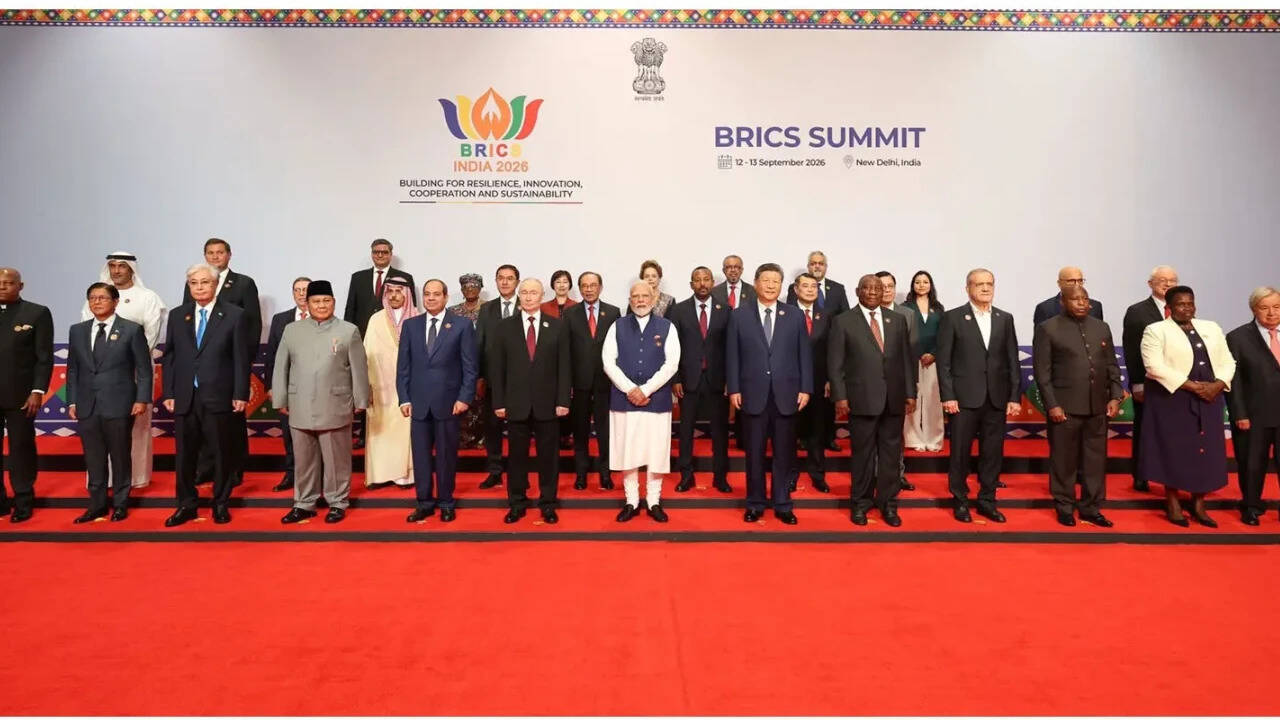
According to sources, discussions with Thailand, Malaysia, and Vietnam are progressing, with the goal of using CBDCs for cross-border payments among BRICS partner countries. The talks follow the 18th BRICS summit hosted by India, where leaders backed efforts to improve payment-system connectivity and encourage trade and investment using local currencies.
India has previously advocated linking CBDCs among BRICS nations as part of efforts to make international payments faster, cheaper, and more transparent. A CBDC is a digital version of a country's official currency issued by its central bank, regulated and backed by the issuing monetary authority.
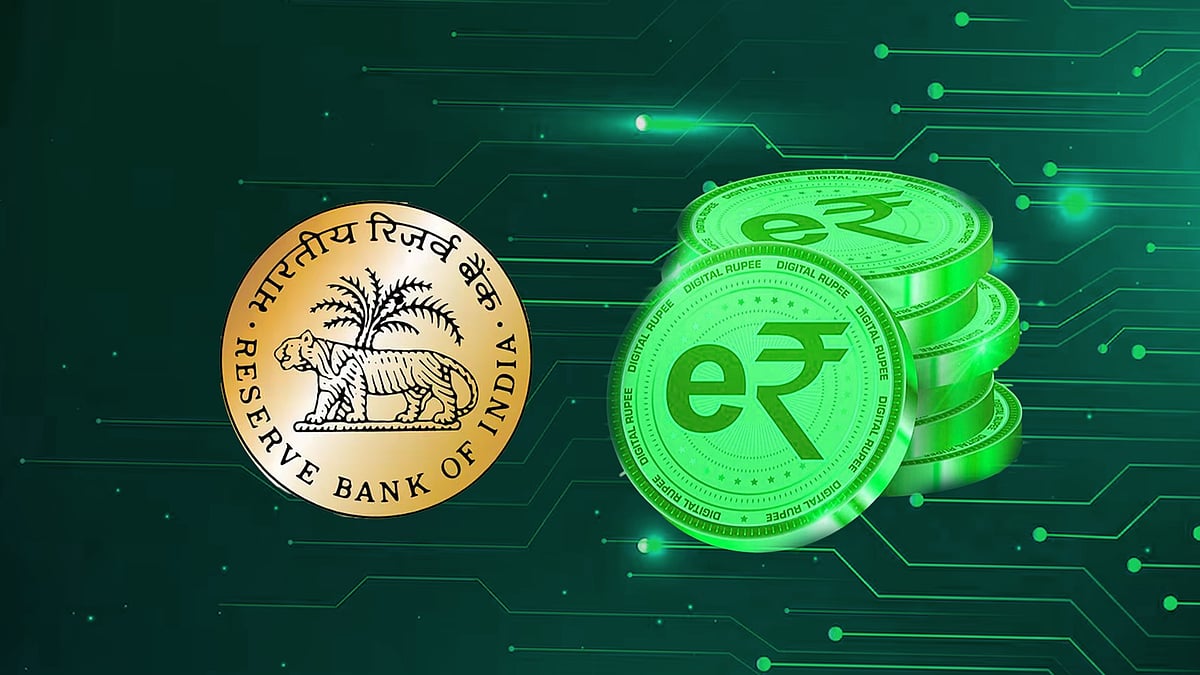
India's digital rupee, or e₹, is being developed by the Reserve Bank of India for retail and wholesale applications. The RBI is also evaluating additional use cases, including cross-border transactions with multiple countries.
The pilot phase of the digital rupee is still ongoing, as more use cases need to be found. Alongside CBDC integration, India is also expanding options for international trade settlements through local currencies, bilateral currency arrangements, and increased use of the rupee.
The goal is to have multiple options for trade settlements, rather than relying on a single currency. While global trade remains dominated by a single major currency, India is working towards creating alternative settlement mechanisms.
The BRICS grouping includes Brazil, Russia, India, China, and South Africa as founding members, with additional members including Egypt, Ethiopia, Iran, UAE, and Indonesia. Partner countries include Malaysia, Thailand, Vietnam, and others.
The development of CBDCs and alternative settlement mechanisms is significant for India, as it seeks to reduce its dependence on foreign currencies and promote the use of the rupee in international trade.
In the long run, the successful implementation of CBDCs and alternative settlement mechanisms could have a major impact on India's economy, making it more competitive and integrated into the global trade system.
Frequently asked questions
What is the purpose of India's CBDC link with other countries?
The purpose is to enable faster and more efficient cross-border payments.
Which countries are involved in the discussions?
Thailand, Malaysia, and Vietnam are involved in the discussions.