Aaditya Thackeray Seeks Clarity On Student Protester Case Withdrawals
Shiv Sena MLA Aaditya Thackeray seeks DGP's clarification on case withdrawals. Students uncertain about implementation.
'%3E%3Crect%20width%3D'96'%20height%3D'96'%20fill%3D'%231A5276'%2F%3E%3Ccircle%20cx%3D'30'%20cy%3D'24'%20r%3D'44'%20fill%3D'%23fff'%20opacity%3D'.12'%2F%3E%3Ccircle%20cx%3D'60'%20cy%3D'74'%20r%3D'40'%20fill%3D'%23000'%20opacity%3D'.10'%2F%3E%3C%2Fg%3E%3Cg%20fill%3D'%23fff'%3E%3Cpath%20d%3D'M31%2041%20L48%2031%20L65%2041%20Z'%2F%3E%3Crect%20x%3D'33'%20y%3D'43'%20width%3D'4'%20height%3D'17'%2F%3E%3Crect%20x%3D'41'%20y%3D'43'%20width%3D'4'%20height%3D'17'%2F%3E%3Crect%20x%3D'51'%20y%3D'43'%20width%3D'4'%20height%3D'17'%2F%3E%3Crect%20x%3D'59'%20y%3D'43'%20width%3D'4'%20height%3D'17'%2F%3E%3Crect%20x%3D'30'%20y%3D'62'%20width%3D'36'%20height%3D'4'%20rx%3D'1'%2F%3E%3C%2Fg%3E%3C%2Fsvg%3E)
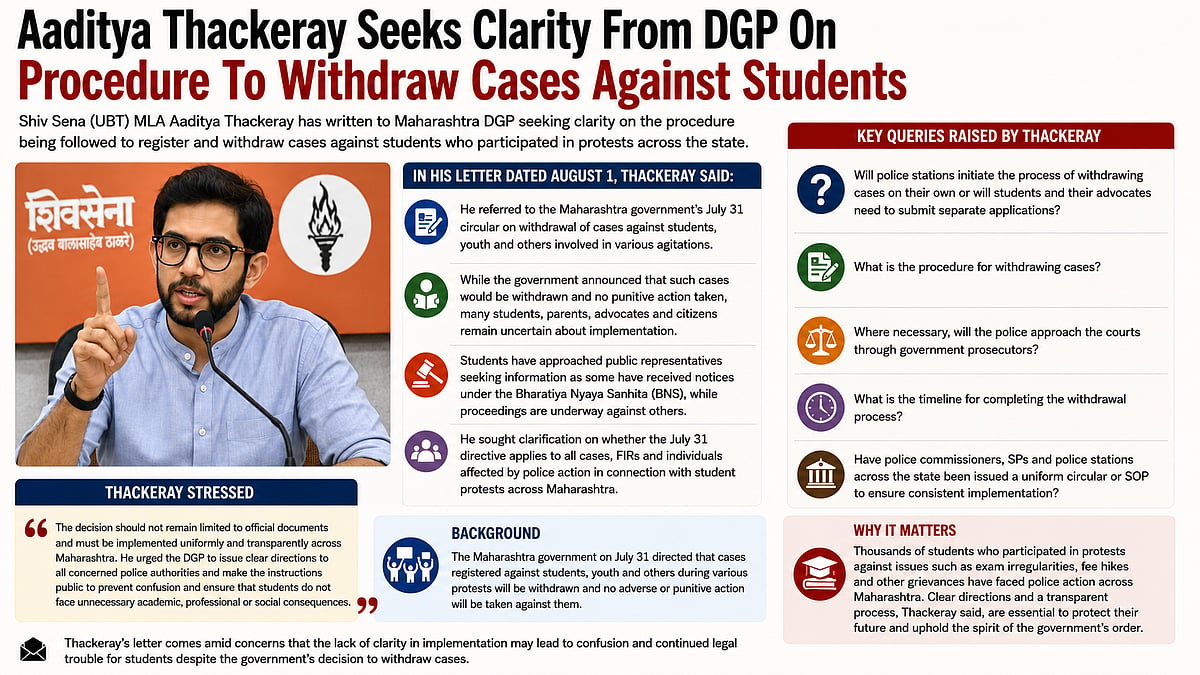
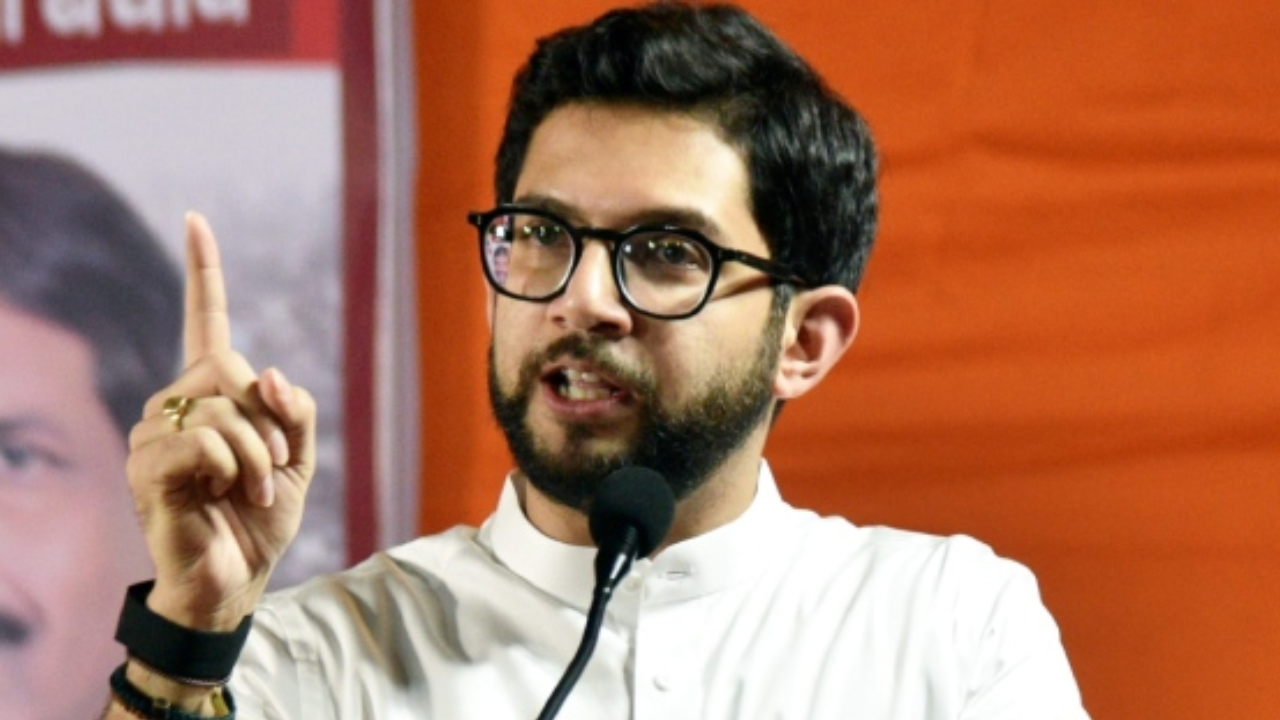
Aaditya Thackeray, Shiv Sena (UBT) MLA, has written to the Maharashtra Director General of Police (DGP) seeking clarification on the procedure for withdrawing cases against students who participated in protests across the state.
In his letter dated August 1, Thackeray referred to the Maharashtra government's July 31 circular regarding cases registered against students, youth, and others during various agitations. The government had announced that such cases would be withdrawn and that no adverse or punitive action would be taken against those concerned.
However, Thackeray noted that several students, parents, advocates, and citizens remained uncertain about the implementation of the decision. Students had approached public representatives seeking information about whether cases registered during protests would be withdrawn. Some students had already received notices under the Bharatiya Nyaya Sanhita (BNS), while proceedings were reportedly underway against others.
Thackeray sought clarification on whether the July 31 directive applied to all cases, FIRs, and individuals affected by police action in connection with student protests across Maharashtra. He also asked whether police stations would initiate the process of withdrawing cases on their own or whether students and their advocates would be required to submit separate applications.
The MLA further sought details on the procedure for withdrawing cases, whether the police would approach the courts through government prosecutors where necessary, and the timeline for completing the process. He also asked whether police commissioners, superintendents of police, and police stations across the state had been issued a uniform circular or standard operating procedure (SOP) to ensure consistent implementation of the government's decision.
Thackeray emphasized that the decision should not remain limited to official documents and must be implemented uniformly and transparently across Maharashtra. He urged the DGP to issue clear directions to all concerned police authorities and make the instructions public to prevent confusion and ensure that students do not face unnecessary academic, professional, or social consequences.
The Maharashtra government's decision to withdraw cases against student protesters is a significant development, and Thackeray's letter highlights the need for clarity and transparency in the implementation of this decision. The government's circular was issued in response to widespread protests and demands from students and civil society organizations.
The protests had been sparked by various issues, including education policy, employment, and social justice. The government's decision to withdraw cases against student protesters is seen as a positive step towards addressing the concerns of young people and promoting a culture of dialogue and dissent.
However, the implementation of this decision is crucial, and Thackeray's letter underscores the need for clear guidelines and procedures to ensure that students are not unfairly targeted or harassed. The DGP's response to Thackeray's letter is eagerly awaited, and it is hoped that the police department will provide the necessary clarity and guidance to ensure that the government's decision is implemented in a fair and transparent manner.
In conclusion, the withdrawal of cases against student protesters is a significant development that has the potential to promote a culture of dialogue and dissent in Maharashtra. However, the implementation of this decision requires clarity, transparency, and fairness, and it is hoped that the government and the police department will work together to ensure that the rights of students are protected and their concerns are addressed.
The Maharashtra government's decision is also significant in the context of the state's history of student protests and movements. The state has a long tradition of student activism, and the government's decision to withdraw cases against student protesters is seen as a recognition of the importance of student voices and the need to promote a culture of dialogue and dissent.
Overall, Thackeray's letter highlights the need for clarity and transparency in the implementation of the government's decision to withdraw cases against student protesters. It is hoped that the DGP's response will provide the necessary guidance and clarity to ensure that students are not unfairly targeted or harassed and that their rights are protected.
The issue of student protests and the government's response to them is a complex one, and it requires a nuanced and multifaceted approach. The government's decision to withdraw cases against student protesters is a positive step, but it is only the first step towards addressing the concerns of young people and promoting a culture of dialogue and dissent.
In the coming days and weeks, it will be important to monitor the implementation of the government's decision and to ensure that the rights of students are protected and their concerns are addressed. The government and the police department must work together to provide clear guidelines and procedures for the withdrawal of cases against student protesters, and they must ensure that the implementation of this decision is fair, transparent, and consistent across the state.
Frequently asked questions
What is the status of cases against student protesters in Maharashtra?
The Maharashtra government has announced that cases against student protesters will be withdrawn, but the implementation of this decision is unclear.
What is Aaditya Thackeray's role in the issue?
Aaditya Thackeray, Shiv Sena (UBT) MLA, has written to the Maharashtra DGP seeking clarification on the procedure for withdrawing cases against student protesters.