Vienna Scientists Discover Hidden Gut Bacteria Populations
New study reveals hidden populations in common gut bacteria, linked to diseases. Gut microbiome may be more transmissible than thought.
'%3E%3Crect%20width%3D'96'%20height%3D'96'%20fill%3D'%23B3261E'%2F%3E%3Ccircle%20cx%3D'30'%20cy%3D'24'%20r%3D'44'%20fill%3D'%23fff'%20opacity%3D'.12'%2F%3E%3Ccircle%20cx%3D'60'%20cy%3D'74'%20r%3D'40'%20fill%3D'%23000'%20opacity%3D'.10'%2F%3E%3C%2Fg%3E%3Cg%20fill%3D'%23fff'%3E%3Crect%20x%3D'29'%20y%3D'49'%20width%3D'8'%20height%3D'19'%20rx%3D'1'%2F%3E%3Crect%20x%3D'39'%20y%3D'40'%20width%3D'9'%20height%3D'28'%20rx%3D'1'%2F%3E%3Crect%20x%3D'50'%20y%3D'45'%20width%3D'8'%20height%3D'23'%20rx%3D'1'%2F%3E%3Crect%20x%3D'60'%20y%3D'53'%20width%3D'7'%20height%3D'15'%20rx%3D'1'%2F%3E%3Crect%20x%3D'41'%20y%3D'34'%20width%3D'5'%20height%3D'6'%2F%3E%3C%2Fg%3E%3C%2Fsvg%3E)
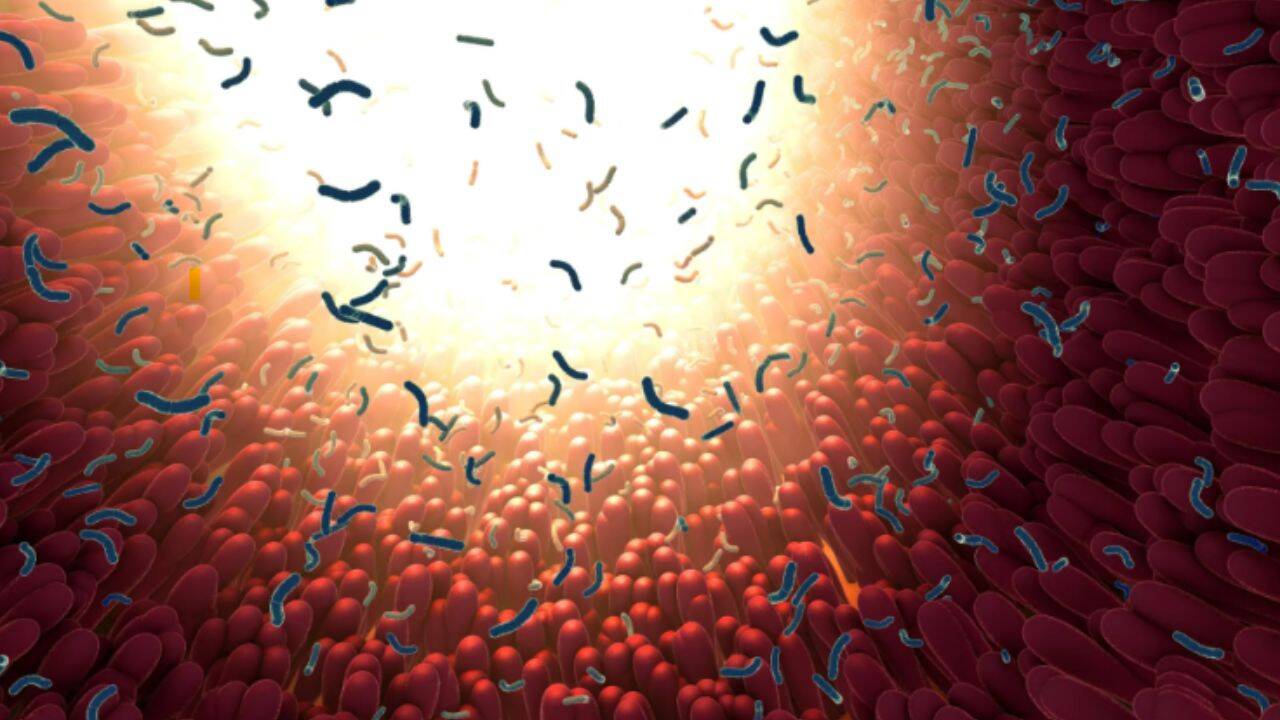
Scientists at the University of Vienna have made a significant discovery, finding hidden populations within common gut bacteria. These populations have been linked to various diseases, including ageing, colorectal cancer, inflammatory bowel disease, and type 2 diabetes.
The study, led by the University of Vienna, has shed new light on the complexity of the gut microbiome. The researchers found that certain bacterial populations can spread between people and across continents within a few decades. This suggests that the gut microbiome may be more transmissible and dynamic than previously thought.
The discovery of hidden populations within common gut bacteria is a major breakthrough in the field of microbiology. It highlights the importance of the gut microbiome in human health and disease. The study's findings have significant implications for our understanding of the role of gut bacteria in various diseases.
The gut microbiome is a complex ecosystem that plays a crucial role in human health. It is composed of trillions of microorganisms that live in the gut and perform various functions, including digestion, immune system regulation, and production of certain vitamins. An imbalance of the gut microbiome, also known as dysbiosis, has been linked to various diseases, including inflammatory bowel disease, obesity, and mental health disorders.
The study's findings suggest that certain bacterial populations can spread rapidly between people and across continents. This raises questions about the potential for gut bacteria to be transmitted through environmental factors, such as food, water, and air. It also highlights the importance of considering the gut microbiome in the development of treatments for various diseases.
The discovery of hidden populations within common gut bacteria is a significant step forward in our understanding of the gut microbiome. It highlights the complexity and dynamic nature of the gut ecosystem and has significant implications for human health. Further research is needed to fully understand the role of these hidden populations in disease and to develop effective treatments.
The study's findings have significant implications for the prevention and treatment of diseases linked to the gut microbiome. It suggests that targeting specific bacterial populations may be a effective way to prevent or treat diseases such as colorectal cancer, inflammatory bowel disease, and type 2 diabetes. Additionally, the study's findings highlight the importance of considering the gut microbiome in the development of personalized medicine approaches.
In conclusion, the discovery of hidden populations within common gut bacteria is a major breakthrough in the field of microbiology. It highlights the complexity and dynamic nature of the gut microbiome and has significant implications for human health. Further research is needed to fully understand the role of these hidden populations in disease and to develop effective treatments.
The study's findings are a significant step forward in our understanding of the gut microbiome and its role in human health. It highlights the importance of considering the gut microbiome in the development of treatments for various diseases and suggests that targeting specific bacterial populations may be a effective way to prevent or treat diseases. The discovery of hidden populations within common gut bacteria is a significant breakthrough that has the potential to improve our understanding of human health and disease.
The implications of the study's findings are far-reaching and have significant potential to impact human health. The discovery of hidden populations within common gut bacteria highlights the complexity and dynamic nature of the gut ecosystem and suggests that the gut microbiome may be more transmissible and dynamic than previously thought. Further research is needed to fully understand the role of these hidden populations in disease and to develop effective treatments.
In the future, the study's findings may lead to the development of new treatments for diseases linked to the gut microbiome. It may also lead to a greater understanding of the role of the gut microbiome in human health and disease. The discovery of hidden populations within common gut bacteria is a significant breakthrough that has the potential to improve our understanding of human health and disease.
The study's findings are a significant step forward in our understanding of the gut microbiome and its role in human health. It highlights the importance of considering the gut microbiome in the development of treatments for various diseases and suggests that targeting specific bacterial populations may be a effective way to prevent or treat diseases. The discovery of hidden populations within common gut bacteria is a significant breakthrough that has the potential to improve our understanding of human health and disease.
The discovery of hidden populations within common gut bacteria has significant implications for human health. It highlights the complexity and dynamic nature of the gut microbiome and suggests that the gut microbiome may be more transmissible and dynamic than previously thought. Further research is needed to fully understand the role of these hidden populations in disease and to develop effective treatments.
In conclusion, the discovery of hidden populations within common gut bacteria is a major breakthrough in the field of microbiology. It highlights the complexity and dynamic nature of the gut microbiome and has significant implications for human health. The study's findings suggest that certain bacterial populations can spread rapidly between people and across continents, and that targeting specific bacterial populations may be a effective way to prevent or treat diseases. The discovery of hidden populations within common gut bacteria is a significant breakthrough that has the potential to improve our understanding of human health and disease.
The study's findings are a significant step forward in our understanding of the gut microbiome and its role in human health. It highlights the importance of considering the gut microbiome in the development of treatments for various diseases and suggests that targeting specific bacterial populations may be a effective way to prevent or treat diseases. The discovery of hidden populations within common gut bacteria is a significant breakthrough that has the potential to improve our understanding of human health and disease.
The implications of the study's findings are far-reaching and have significant potential to impact human health. The discovery of hidden populations within common gut bacteria highlights the complexity and dynamic nature of the gut ecosystem and suggests that the gut microbiome may be more transmissible and dynamic than previously thought. Further research is needed to fully understand the role of these hidden populations in disease and to develop effective treatments.
The study's findings have significant implications for the prevention and treatment of diseases linked to the gut microbiome. It suggests that targeting specific bacterial populations may be a effective way to prevent or treat diseases such as colorectal cancer, inflammatory bowel disease, and type 2 diabetes. Additionally, the study's findings highlight the importance of considering the gut microbiome in the development of personalized medicine approaches.
In the future, the study's findings may lead to the development of new treatments for diseases linked to the gut microbiome. It may also lead to a greater understanding of the role of the gut microbiome in human health and disease. The discovery of hidden populations within common gut bacteria is a significant breakthrough that has the potential to improve our understanding of human health and disease.
The discovery of hidden populations within common gut bacteria has significant implications for human health. It highlights the complexity and dynamic nature of the gut microbiome and suggests that the gut microbiome may be more transmissible and dynamic than previously thought. Further research is needed to fully understand the role of these hidden populations in disease and to develop effective treatments.
The study's findings are a significant step forward in our understanding of the gut microbiome and its role in human health. It highlights the importance of considering the gut microbiome in the development of treatments for various diseases and suggests that targeting specific bacterial populations may be a effective way to prevent or treat diseases. The discovery of hidden populations within common gut bacteria is a significant breakthrough that has the potential to improve our understanding of human health and disease.
The implications of the study's findings are far-reaching and have significant potential to impact human health. The discovery of hidden populations within common gut bacteria highlights the complexity and dynamic nature of the gut ecosystem and suggests that the gut microbiome may be more transmissible and dynamic than previously thought. Further research is needed to fully understand the role of these hidden populations in disease and to develop effective treatments.
The study's findings have significant implications for the prevention and treatment of diseases linked to the gut microbiome. It suggests that targeting specific bacterial populations may be a effective way to prevent or treat diseases such as colorectal cancer, inflammatory bowel disease, and type 2 diabetes. Additionally, the study's findings highlight the importance of considering the gut microbiome in the development of personalized medicine approaches.
In conclusion, the discovery of hidden populations within common gut bacteria is a major breakthrough in the field of microbiology. It highlights the complexity and dynamic nature of the gut microbiome and has significant implications for human health. The study's findings suggest that certain bacterial populations can spread rapidly between people and across continents, and that targeting specific bacterial populations may be a effective way to prevent or treat diseases. The discovery of hidden populations within common gut bacteria is a significant breakthrough that has the potential to improve our understanding of human health and disease.
What it means for Mumbai residents is that the discovery of hidden populations within common gut bacteria has significant implications for human health. It highlights the complexity and dynamic nature of the gut microbiome and suggests that the gut microbiome may be more transmissible and dynamic than previously thought. Further research is needed to fully understand the role of these hidden populations in disease and to develop effective treatments.
Frequently asked questions
What did the study discover about gut bacteria?
The study discovered hidden populations within common gut bacteria, some of which are linked to ageing, colorectal cancer, inflammatory bowel disease, and type 2 diabetes.
What are the implications of the study's findings?
The study's findings have significant implications for human health, suggesting that targeting specific bacterial populations may be a effective way to prevent or treat diseases linked to the gut microbiome.