Fossil Fuel Lobby Opposes E20, Puts Future at Risk: Pasha Patel
Pasha Patel alleges fossil fuel lobby is working against farmers, spreading misinformation about E20.
'%3E%3Crect%20width%3D'96'%20height%3D'96'%20fill%3D'%231A5276'%2F%3E%3Ccircle%20cx%3D'30'%20cy%3D'24'%20r%3D'44'%20fill%3D'%23fff'%20opacity%3D'.12'%2F%3E%3Ccircle%20cx%3D'60'%20cy%3D'74'%20r%3D'40'%20fill%3D'%23000'%20opacity%3D'.10'%2F%3E%3C%2Fg%3E%3Cg%20fill%3D'%23fff'%3E%3Cpath%20d%3D'M31%2041%20L48%2031%20L65%2041%20Z'%2F%3E%3Crect%20x%3D'33'%20y%3D'43'%20width%3D'4'%20height%3D'17'%2F%3E%3Crect%20x%3D'41'%20y%3D'43'%20width%3D'4'%20height%3D'17'%2F%3E%3Crect%20x%3D'51'%20y%3D'43'%20width%3D'4'%20height%3D'17'%2F%3E%3Crect%20x%3D'59'%20y%3D'43'%20width%3D'4'%20height%3D'17'%2F%3E%3Crect%20x%3D'30'%20y%3D'62'%20width%3D'36'%20height%3D'4'%20rx%3D'1'%2F%3E%3C%2Fg%3E%3C%2Fsvg%3E)
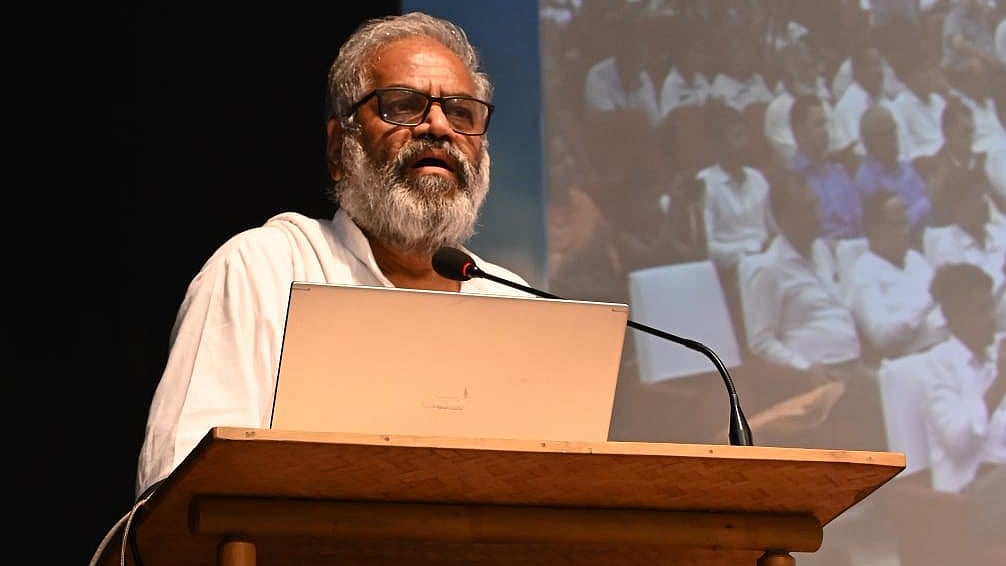
Pasha Patel, Chairman of the Maharashtra State Agricultural Price Commission, has accused a powerful fossil fuel lobby of working against the interests of Indian farmers by spreading false information about ethanol-blended fuel (E20).
During his visit to Ahilyanagar, Patel questioned the continued preference for imported fossil fuels over biofuels produced from Indian agriculture, despite the enormous foreign exchange costs. He stated that the campaign against E20 is misleading the public with false claims that ethanol damages vehicle engines.
Patel reacted to the growing online opposition to E20, saying that resisting ethanol blending would put the future of coming generations at risk. He emphasized that ethanol produced from molasses, maize, rice, and bamboo offers a sustainable alternative to fossil fuels while providing farmers with an additional source of income.
The environmental importance of biofuels was highlighted by Patel, who explained that fossil fuels release carbon that has been stored underground for millions of years, whereas biofuels operate within the natural carbon cycle. He noted that atmospheric carbon dioxide levels have risen significantly, causing unseasonal rains, droughts, floods, heatwaves, and declining agricultural productivity.
Patel cautioned that climate change poses a serious threat to India's food security, affecting crop production, dairy, fisheries, and overall ecological balance. He urged citizens to study scientific findings, including reports of the Intergovernmental Panel on Climate Change (IPCC), and support measures that reduce dependence on fossil fuels.
Drawing a historical comparison, Patel recalled how misinformation during the 1970s about mustard oil severely affected domestic oilseed cultivation, making India dependent on imported edible oils. He claimed that a similar misinformation campaign is now being carried out against ethanol to discourage the country's biofuel programme.
Patel referred to international experience, saying that Brazil adopted ethanol-blended fuel nearly a century ago and today remains a global leader in biofuel usage. He noted that India's Ethanol Blended Petrol Programme, launched in 2001, has gained remarkable momentum in recent years.
According to Union Government figures released in July 2026, the ethanol blending programme has saved India over ₹1.90 lakh crore in foreign exchange, reduced crude oil imports by approximately 310 lakh metric tonnes, generated more than ₹1.6 lakh crore in additional income for farmers, and reduced carbon emissions by over 930 lakh metric tonnes.
Patel rejected concerns that ethanol damages vehicle engines, saying that most modern vehicles are already E20-compliant, while flex-fuel vehicles will become increasingly common in the coming years. He acknowledged that mileage concerns can be addressed through technological advancements.
In conclusion, Patel's allegations against the fossil fuel lobby highlight the importance of promoting biofuels and reducing dependence on fossil fuels to ensure a sustainable future for India. The benefits of the ethanol blending programme, including significant foreign exchange savings and reduced carbon emissions, make a strong case for its continued support and expansion.
The success of the programme will not only contribute to India's energy security but also provide a vital source of income for farmers, promoting agricultural growth and development. As the country moves forward, it is essential to prioritize the adoption of sustainable and environmentally friendly alternatives to fossil fuels, ensuring a better future for generations to come.
The Indian government's commitment to the Ethanol Blended Petrol Programme is a step in the right direction, and it is crucial that citizens and stakeholders support this initiative to reduce the country's dependence on fossil fuels and promote a more sustainable energy mix.
By doing so, India can mitigate the risks associated with climate change, ensure energy security, and promote economic growth, ultimately contributing to a more sustainable and prosperous future for all.
In the context of India's growing energy needs and the global push for sustainable energy solutions, the promotion of biofuels like E20 is a critical step towards reducing the country's carbon footprint and promoting environmentally friendly practices.
As the world transitions towards a more sustainable energy mix, India's experience with the Ethanol Blended Petrol Programme can serve as a model for other countries, demonstrating the potential of biofuels to reduce dependence on fossil fuels and promote energy security.
Ultimately, the success of the Ethanol Blended Petrol Programme will depend on the continued support of the government, citizens, and stakeholders, as well as the adoption of sustainable practices and technologies that promote the use of biofuels.
By working together, India can achieve its goals of reducing carbon emissions, promoting energy security, and ensuring a sustainable future for generations to come.
The significance of the Ethanol Blended Petrol Programme extends beyond India's borders, as it contributes to the global effort to reduce carbon emissions and promote sustainable energy solutions.
As the world continues to grapple with the challenges of climate change, India's experience with the Ethanol Blended Petrol Programme can serve as a valuable lesson for other countries, highlighting the importance of promoting sustainable energy solutions and reducing dependence on fossil fuels.
In conclusion, the Ethanol Blended Petrol Programme is a critical step towards promoting sustainable energy solutions in India, and its success will have far-reaching implications for the country's energy security, economic growth, and environmental sustainability.
The programme's benefits, including significant foreign exchange savings, reduced carbon emissions, and increased income for farmers, make a strong case for its continued support and expansion.
As India moves forward, it is essential to prioritize the adoption of sustainable and environmentally friendly alternatives to fossil fuels, ensuring a better future for generations to come.
The Indian government's commitment to the Ethanol Blended Petrol Programme is a step in the right direction, and it is crucial that citizens and stakeholders support this initiative to reduce the country's dependence on fossil fuels and promote a more sustainable energy mix.
By doing so, India can mitigate the risks associated with climate change, ensure energy security, and promote economic growth, ultimately contributing to a more sustainable and prosperous future for all.
What it means for Mumbai and India is that the country is taking a significant step towards reducing its dependence on fossil fuels and promoting sustainable energy solutions.
The Ethanol Blended Petrol Programme has the potential to contribute to India's energy security, reduce carbon emissions, and promote economic growth, ultimately benefiting the environment and the economy.
In the long run, the programme can help reduce the country's reliance on imported fossil fuels, promote domestic agriculture, and create new opportunities for economic growth and development.
The success of the programme will depend on the continued support of the government, citizens, and stakeholders, as well as the adoption of sustainable practices and technologies that promote the use of biofuels.
As India continues to grow and develop, it is essential to prioritize the adoption of sustainable and environmentally friendly alternatives to fossil fuels, ensuring a better future for generations to come.
The Ethanol Blended Petrol Programme is a critical step towards achieving this goal, and its success will have far-reaching implications for India's energy security, economic growth, and environmental sustainability.
In conclusion, the Ethanol Blended Petrol Programme is a vital initiative that has the potential to contribute to India's energy security, reduce carbon emissions, and promote economic growth.
The programme's benefits, including significant foreign exchange savings, reduced carbon emissions, and increased income for farmers, make a strong case for its continued support and expansion.
As India moves forward, it is essential to prioritize the adoption of sustainable and environmentally friendly alternatives to fossil fuels, ensuring a better future for generations to come.
The Indian government's commitment to the Ethanol Blended Petrol Programme is a step in the right direction, and it is crucial that citizens and stakeholders support this initiative to reduce the country's dependence on fossil fuels and promote a more sustainable energy mix.
By doing so, India can mitigate the risks associated with climate change, ensure energy security, and promote economic growth, ultimately contributing to a more sustainable and prosperous future for all.
Frequently asked questions
What is E20 and how does it benefit India?
E20 is a blend of 20% ethanol and 80% petrol, which reduces dependence on fossil fuels and promotes sustainable energy. It has saved India over ₹1.90 lakh crore in foreign exchange and reduced carbon emissions.
Why is the fossil fuel lobby opposing E20?
The fossil fuel lobby is opposing E20 because it threatens their interests and promotes a sustainable alternative to fossil fuels.