IISc Eco-Friendly Foam Reaches Market
IISc's innovative foam is now available. It's eco-friendly and made from
'%3E%3Crect%20width%3D'96'%20height%3D'96'%20fill%3D'%23B3261E'%2F%3E%3Ccircle%20cx%3D'30'%20cy%3D'24'%20r%3D'44'%20fill%3D'%23fff'%20opacity%3D'.12'%2F%3E%3Ccircle%20cx%3D'60'%20cy%3D'74'%20r%3D'40'%20fill%3D'%23000'%20opacity%3D'.10'%2F%3E%3C%2Fg%3E%3Cg%20fill%3D'%23fff'%3E%3Crect%20x%3D'29'%20y%3D'49'%20width%3D'8'%20height%3D'19'%20rx%3D'1'%2F%3E%3Crect%20x%3D'39'%20y%3D'40'%20width%3D'9'%20height%3D'28'%20rx%3D'1'%2F%3E%3Crect%20x%3D'50'%20y%3D'45'%20width%3D'8'%20height%3D'23'%20rx%3D'1'%2F%3E%3Crect%20x%3D'60'%20y%3D'53'%20width%3D'7'%20height%3D'15'%20rx%3D'1'%2F%3E%3Crect%20x%3D'41'%20y%3D'34'%20width%3D'5'%20height%3D'6'%2F%3E%3C%2Fg%3E%3C%2Fsvg%3E)
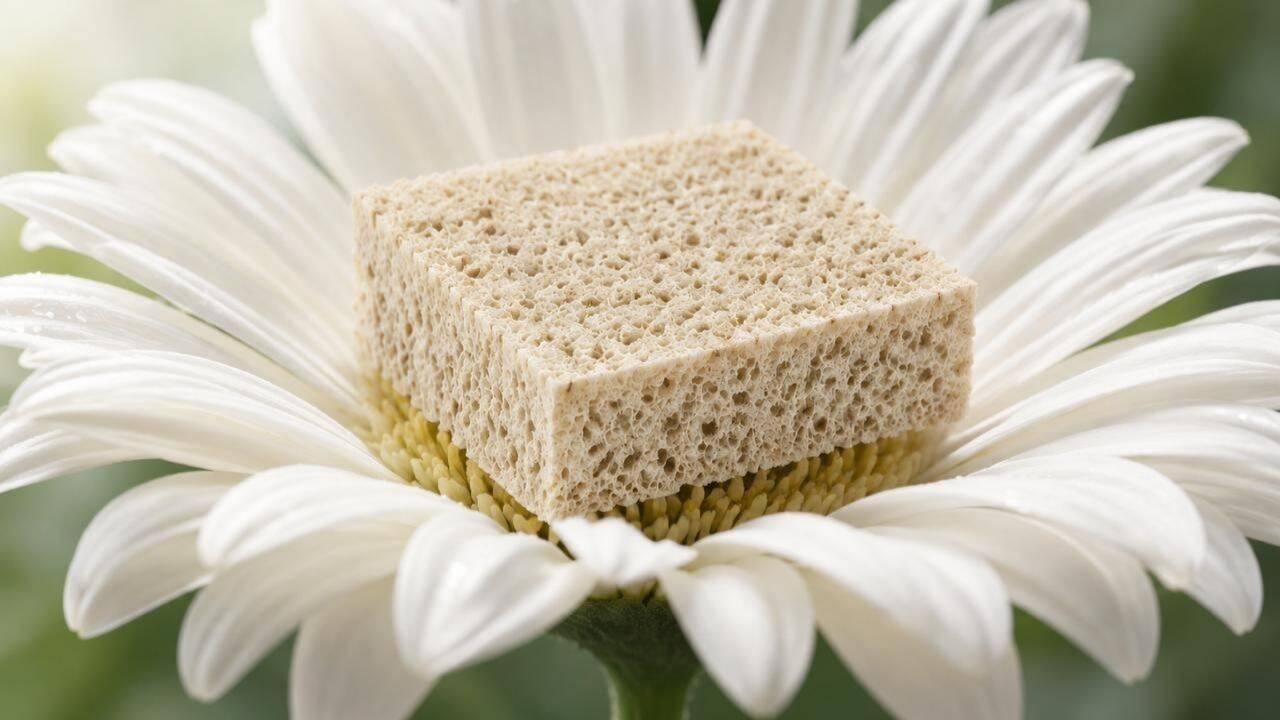
The Indian Institute of Science (IISc) has successfully developed an eco-friendly foam that has moved from the laboratory to the market. This innovative product is made from natural materials and is biodegradable, making it an environmentally friendly alternative to traditional foams.
The development of this eco-friendly foam is a significant achievement for IISc, as it has the potential to replace traditional foams used in various industries such as packaging, construction, and automotive. The foam is made from a combination of natural materials, including plant-based polymers and other biodegradable components.
According to researchers at IISc, the eco-friendly foam has several advantages over traditional foams. It is not only biodegradable but also has improved thermal insulation properties, making it an ideal material for use in buildings and other structures. Additionally, the foam is lightweight, yet strong and durable, making it suitable for a wide range of applications.
The journey of the eco-friendly foam from the laboratory to the market has been a long and challenging one. Researchers at IISc had to overcome several hurdles, including developing a scalable manufacturing process and ensuring that the foam met the required standards for quality and performance.
Despite these challenges, the team at IISc persevered and was able to develop a manufacturing process that is not only cost-effective but also environmentally friendly. The foam is now being produced on a large scale and is available in the market, where it is expected to make a significant impact on the environment.
The development of the eco-friendly foam is a testament to the innovative spirit of researchers at IISc and their commitment to developing sustainable solutions for the future. As the world grapples with the challenges of climate change and environmental degradation, the need for eco-friendly products like this foam has never been more pressing.
In the context of India's growing economy and increasing industrial activity, the development of eco-friendly products like the IISc foam is crucial. The Indian government has set ambitious targets for reducing greenhouse gas emissions and promoting sustainable development, and innovations like the IISc foam can play a significant role in achieving these goals.
The success of the IISc foam also highlights the importance of collaboration between academia and industry in driving innovation and promoting sustainable development. By working together, researchers and industry partners can develop new products and technologies that are not only environmentally friendly but also economically viable.
In conclusion, the development of the IISc eco-friendly foam is a significant achievement that has the potential to make a major impact on the environment. As the foam becomes more widely available, it is expected to replace traditional foams in various industries, reducing greenhouse gas emissions and promoting sustainable development.
The implications of this innovation are far-reaching, and it is expected to contribute to India's efforts to reduce its carbon footprint and promote environmentally friendly practices. As the country continues to grow and develop, innovations like the IISc foam will play a crucial role in shaping a sustainable future.
The IISc eco-friendly foam is a shining example of Indian innovation and its potential to drive positive change. It is a testament to the power of science and technology to address some of the world's most pressing challenges and create a better future for all.
Frequently asked questions
What is the IISc eco-friendly foam made of?
The foam is made from a combination of natural materials, including plant-based polymers and other biodegradable components.
What are the advantages of the IISc eco-friendly foam?
The foam is biodegradable, has improved thermal insulation properties, and is lightweight, yet strong and durable.