LPG Distributors Oppose Mandatory PNG Shift
LPG distributors protest mandatory shift to PNG, demand commission hike and voluntary transition.
'%3E%3Crect%20width%3D'96'%20height%3D'96'%20fill%3D'%23B3261E'%2F%3E%3Ccircle%20cx%3D'30'%20cy%3D'24'%20r%3D'44'%20fill%3D'%23fff'%20opacity%3D'.12'%2F%3E%3Ccircle%20cx%3D'60'%20cy%3D'74'%20r%3D'40'%20fill%3D'%23000'%20opacity%3D'.10'%2F%3E%3C%2Fg%3E%3Cg%20fill%3D'%23fff'%3E%3Crect%20x%3D'29'%20y%3D'49'%20width%3D'8'%20height%3D'19'%20rx%3D'1'%2F%3E%3Crect%20x%3D'39'%20y%3D'40'%20width%3D'9'%20height%3D'28'%20rx%3D'1'%2F%3E%3Crect%20x%3D'50'%20y%3D'45'%20width%3D'8'%20height%3D'23'%20rx%3D'1'%2F%3E%3Crect%20x%3D'60'%20y%3D'53'%20width%3D'7'%20height%3D'15'%20rx%3D'1'%2F%3E%3Crect%20x%3D'41'%20y%3D'34'%20width%3D'5'%20height%3D'6'%2F%3E%3C%2Fg%3E%3C%2Fsvg%3E)
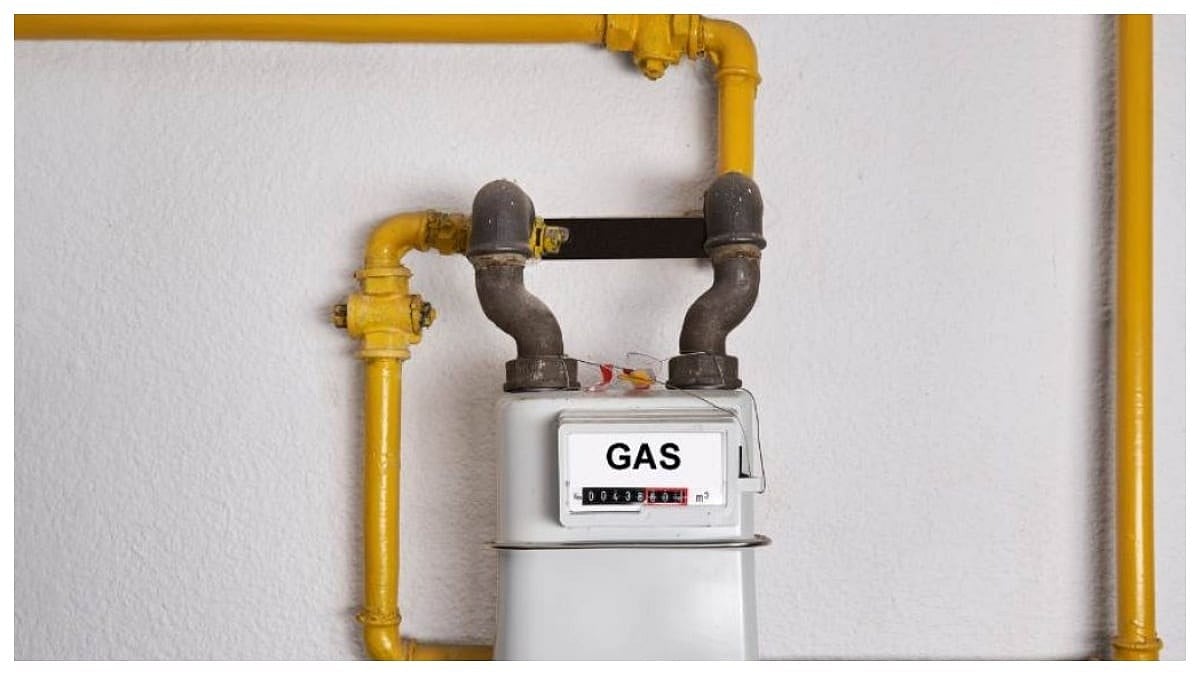
LPG distributors across the country have strongly opposed the central government's mandate to switch households from LPG to Piped Natural Gas (PNG) within 90 days of notification. The opposition was voiced at a convention held in Bhopal, Madhya Pradesh, where distributors argued that the transition should be voluntary rather than mandatory.
The distributors are demanding a significant hike in their delivery commission to Rs 75 to cover rising operational and transportation costs. They are also seeking an end to the forced dumping of non-domestic cylinders and the resumption of new LPG connection allotments. Furthermore, they have sought clarity on commercial supply limits, citing concerns over oil marketing companies (OMCs) arbitrarily allocating non-domestic and commercial cylinders without considering local market demand.
According to BS Sharma, national president of the LPG distributors' association, the convention was attended by distributors from all parts of the country. Sharma stated that the association has put forward several demands, including a hike in distributors' commission, resumption of new connection allotment, and a ban on forced dumping of items. If these demands are not fulfilled, the association has threatened to stage a nationwide protest in Delhi in October.
The LPG distributors' association has also raised objections to the discrimination between rural and urban consumers in promoting PNG supply. The association has pointed out that the 25-day and 45-day norms for promoting PNG supply are unfair and favor urban consumers over rural ones. The distributors argue that a voluntary transition to PNG would be more effective and would allow consumers to make their own choices.
The central government's mandate to switch to PNG has been met with resistance from LPG distributors, who claim that the transition would lead to significant losses for their businesses. The distributors argue that the government should provide more incentives and support to encourage consumers to switch to PNG voluntarily.
The LPG distributors' association has emphasized that their demands are reasonable and necessary to ensure the sustainability of their businesses. The association has urged the government to reconsider its mandate and engage in dialogue with the distributors to find a mutually beneficial solution.
The opposition to the mandatory PNG shift has significant implications for the country's energy sector. The government's push for PNG is part of its efforts to reduce the country's dependence on LPG and promote cleaner energy sources. However, the resistance from LPG distributors highlights the need for a more nuanced approach that takes into account the concerns of all stakeholders.
In conclusion, the LPG distributors' opposition to the mandatory PNG shift is a significant development that highlights the complexities of the country's energy sector. The government must engage in dialogue with the distributors and consider their demands to find a solution that works for all parties involved.