Australian Cuttlefish Population Plunges to Under 10
Cuttlefish numbers crash, conservation efforts begin
'%3E%3Crect%20width%3D'96'%20height%3D'96'%20fill%3D'%23B3261E'%2F%3E%3Ccircle%20cx%3D'30'%20cy%3D'24'%20r%3D'44'%20fill%3D'%23fff'%20opacity%3D'.12'%2F%3E%3Ccircle%20cx%3D'60'%20cy%3D'74'%20r%3D'40'%20fill%3D'%23000'%20opacity%3D'.10'%2F%3E%3C%2Fg%3E%3Cg%20fill%3D'%23fff'%3E%3Crect%20x%3D'29'%20y%3D'49'%20width%3D'8'%20height%3D'19'%20rx%3D'1'%2F%3E%3Crect%20x%3D'39'%20y%3D'40'%20width%3D'9'%20height%3D'28'%20rx%3D'1'%2F%3E%3Crect%20x%3D'50'%20y%3D'45'%20width%3D'8'%20height%3D'23'%20rx%3D'1'%2F%3E%3Crect%20x%3D'60'%20y%3D'53'%20width%3D'7'%20height%3D'15'%20rx%3D'1'%2F%3E%3Crect%20x%3D'41'%20y%3D'34'%20width%3D'5'%20height%3D'6'%2F%3E%3C%2Fg%3E%3C%2Fsvg%3E)
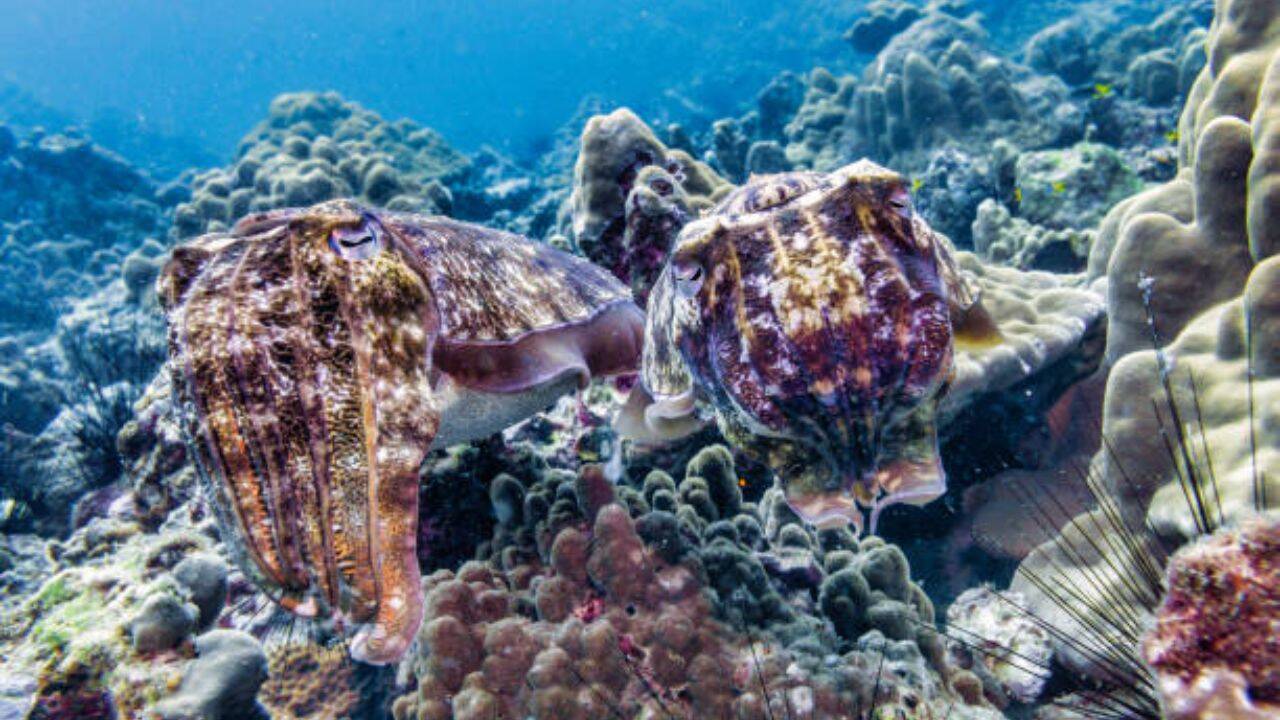
A drastic decline in the giant Australian cuttlefish population has been observed at Point Lowly in 2026. Researchers have reported spotting fewer than ten cuttlefish per dive, marking a historic low from the previous estimate of 100,000.
The cause of this downturn is still being investigated, but it is potentially linked to an algal bloom in South Australia. This bloom may have had a negative impact on the cuttlefish or reduced their food availability, leading to the significant decline in their numbers.
The giant Australian cuttlefish is a unique and fascinating species, known for its impressive size and distinctive appearance. The annual gathering of these cuttlefish at Point Lowly is a notable event, attracting researchers, tourists, and marine enthusiasts.
In response to the decline, conservation initiatives have been established to facilitate the revival of the cuttlefish population. A tourism moratorium has also been put in place to reduce human impact on the area and allow the cuttlefish to recover.
The conservation efforts aim to address the potential causes of the decline, including the algal bloom and other environmental factors. Researchers are working to monitor the cuttlefish population and implement measures to support their recovery.
The decline of the giant Australian cuttlefish population has significant implications for the marine ecosystem and biodiversity. Cuttlefish play a crucial role in maintaining the balance of the marine food chain, and their loss could have far-reaching consequences.
The Australian government and conservation organizations are working together to address the decline and protect the giant Australian cuttlefish. The establishment of conservation initiatives and the tourism moratorium are important steps towards supporting the recovery of this unique and valuable species.
The situation highlights the importance of monitoring and protecting marine ecosystems, as well as the need for conservation efforts to address the impacts of environmental changes.
The decline of the giant Australian cuttlefish population serves as a reminder of the fragility of marine ecosystems and the need for continued conservation efforts to protect these valuable species.
In conclusion, the drastic decline in the giant Australian cuttlefish population is a significant concern, and conservation efforts are underway to support their recovery. The situation highlights the importance of protecting marine ecosystems and addressing the impacts of environmental changes.
Frequently asked questions
What is the current population of giant Australian cuttlefish?
The current population is fewer than ten cuttlefish per dive, a significant decline from the previous estimate of 100,000.
What is being done to address the decline?
Conservation initiatives and a tourism moratorium have been established to facilitate the revival of the cuttlefish numbers.